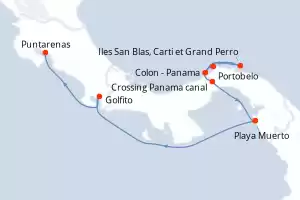
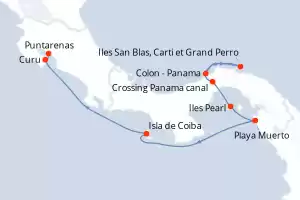
The Panama Canal: a century-old infrastructure
While crossing the Isthmus of Panama dates back to pre-Columbian times, the Canal as it stands today is a relatively recent development. In 1534, the idea of building a canal across the Isthmus was mooted by Charles Quinte, an ambitious County of Flanders. Many countries kept this obviously brilliant idea under wraps. Attempts to build it were made by the Scots in particular, but the project failed. Construction of the Panama Canal actually began in January 1882 under the impetus of Ferdinand de Lesseps, a French entrepreneur and promoter of the Suez Canal. It was the success of the Suez Canal that inspired Ferdinand de Lesseps to build the Panama Canal, a project that he considered to be a huge undertaking. Gustave Eiffel came on board, proposing the installation of a lock system. Due to financial difficulties, construction was halted in 1894.
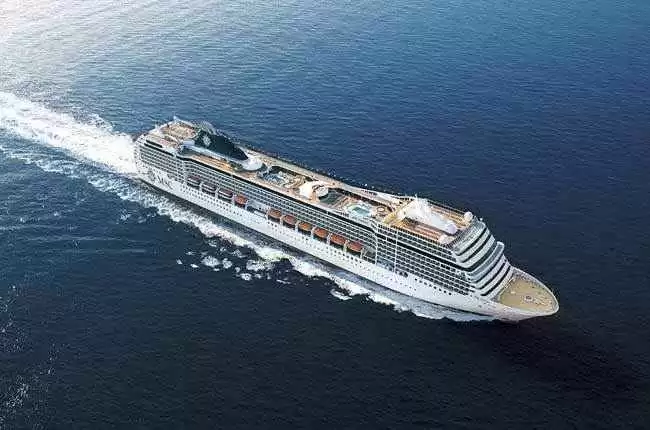
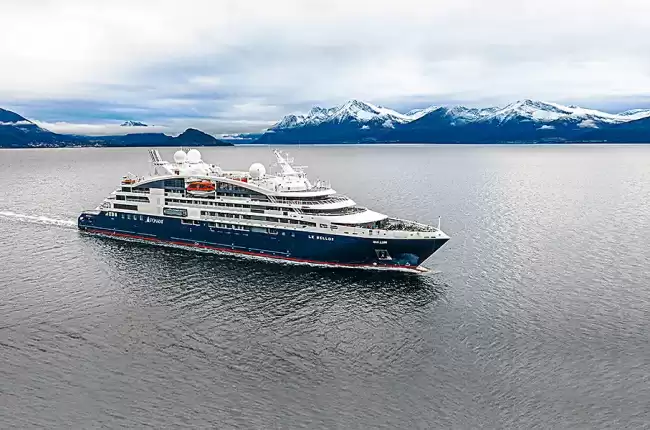
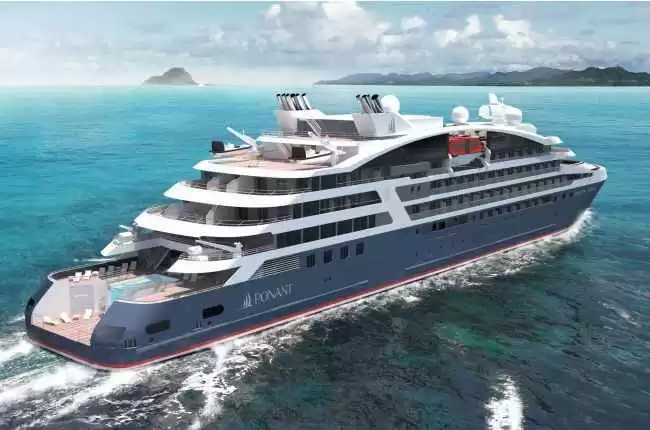
In 1903, the Americans took over after obtaining the right to build the Panama Canal. Between the construction of the three locks and the Gatún artificial lake, the Panama Canal was inaugurated on August 15, 1914. Measuring 77 kilometers, this infrastructure links the Pacific Ocean via the Gulf of Panama to the Atlantic Ocean via the Caribbean Sea. In 2014, the Panama Canal celebrated its 100th anniversary. In 2007, the project to expand the Canal became official. The expanded Panama Canal was inaugurated in June 2016. The main aim of the project was to facilitate the transport of goods. This inter-oceanic route is also home to cruise ships that take you on a tour of one of the most impressive constructions ever built by modern man!
Cruising the Panama Canal: a mythical crossing, a unique experience
A cruise on the Panama Canal invites you to discover the eventful history of the construction of this infrastructure. During a stopover in Panama City, take time to visit the Interoceanic Canal Museum, housed in a charming 19th-century colonial building on the Plaza Mayor in the historic Casco Antiguo district. You can also enjoy strolling through the picturesque streets of this district, which is studded with period buildings and boasts some of the city's finest restaurants. This expedition will bring you close to authentic small villages that contrast with modern Panama City. For a cruise departing from the Pacific entrance, the passage under the Bridge of the Americas marks the beginning of the adventure. This 1,650-metre bridge links South and North America. You'll then witness the impressive spectacle of passing through the locks. The work of the mules that pull and steer the boats through this delicate passage is fascinating every time.
Departing from the Pacific Ocean, you'll first pass through the Miraflores Locks, sail on the lake of the same name and then watch the well-orchestrated choreography of the passage through the Pedro Miguel Locks. You'll then pass under the Centenary Bridge and enjoy the pleasures of navigation. Landscapes of forests and green hills unfold before your eyes as you cruise along. You'll then sail past the town of Gamboa, nestled in the heart of a tropical forest. An essential stopover on a Panama Canal cruise, this town invites you to enjoy a selection of activities: fishing, hiking in the mountains or a gourmet break on a canal-side terrace. Each port of call is also an opportunity for warm encounters with the Panamanian people. As you head towards the Pacific, you'll pass by Barro Colorado Island, a veritable treasure trove of biodiversity and a bird sanctuary for nature lovers. You'll then pass through the Gatùn Locks before entering the Pacific Ocean.
The best time to cruise the Panama Canal
Panama enjoys a tropical climate and pleasant temperatures all year round. On average, temperatures fluctuate between 24 and 29°C, with peaks in March and April. These two months are included in the dry season, commonly known as verano, which runs from January to April. If you're keen to avoid the rains and thunderstorms that sometimes occur daily, this is the ideal time of year to visit Panama and enjoy a gentle cruise on its mythical Canal. From May onwards, the country enters the wet season: the invierno. At this time of year, nature wakes up. With the blossoming of flowers, Panama reveals itself to you in all its splendour, decked out in a thousand and one colors.
Each season has its own advantages. While the dry season offers exceptional sunshine and mild temperatures, the rainy season seduces you with its exuberant nature. During this time of year, you'll have the privilege of watching humpback whales migrate through the warm waters of the Pacific. During a cruise, a stopover in the Las Perlas islands will allow you to enjoy this spectacle. You'll also have the chance to observe leatherback turtles laying their eggs during this season. In any case, come sunshine or rain, mark each day of your cruise with a gourmet interlude to discover Panama in flavor. Try Sancocho at least once, one of the great classics of local gastronomy. It's a chicken stew simmered with sweet potatoes, pumpkin and corn on the cob. This dish epitomizes Panamanian cuisine: simple, generous and richly flavored.

 416 850 1835