 416 850 1835


Cruises Oman : Offers and promotions 2026 - 2027
0 cruises found
Cruises to Oman: a guide to choosing the right one
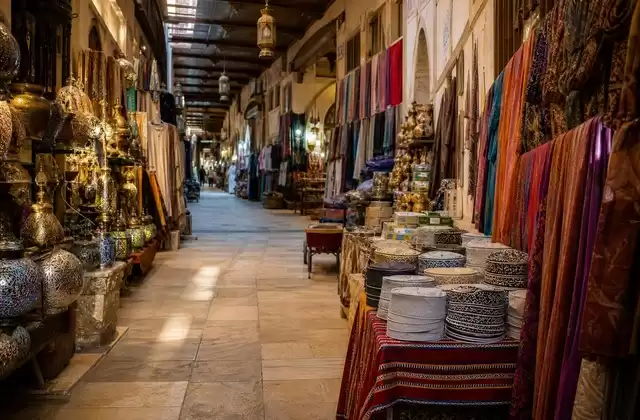
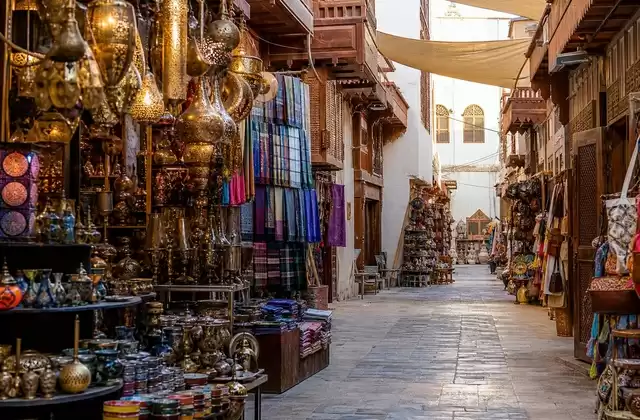
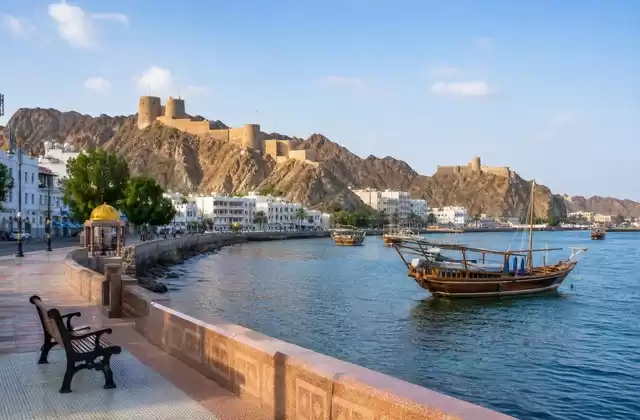
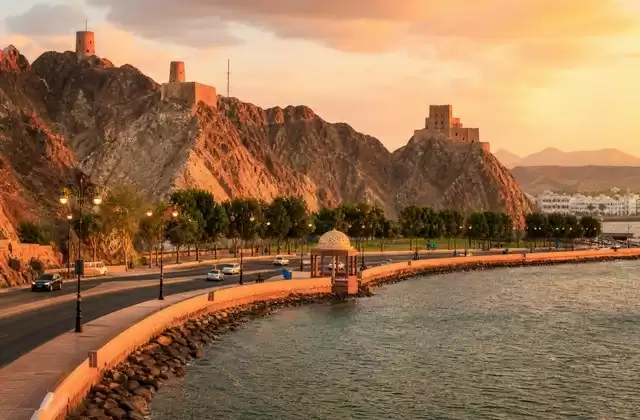
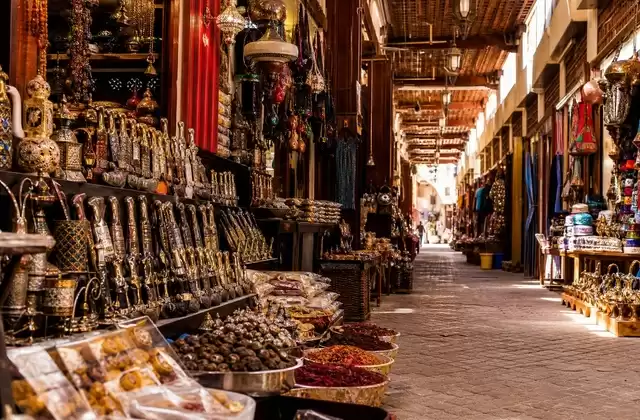
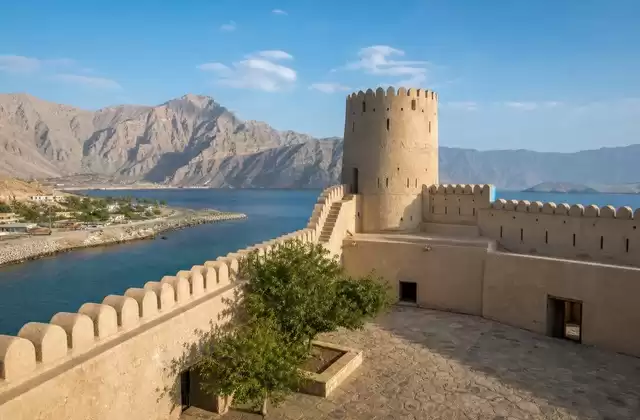
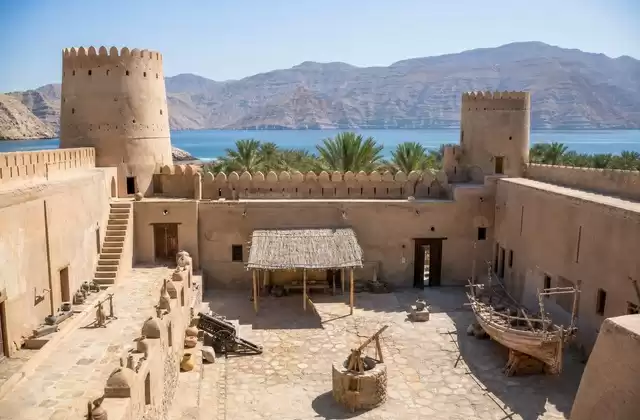
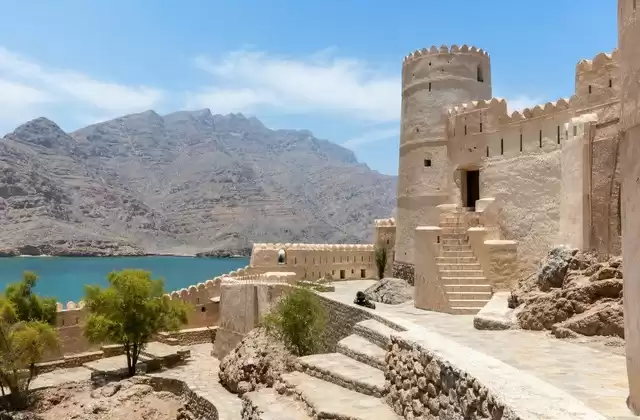
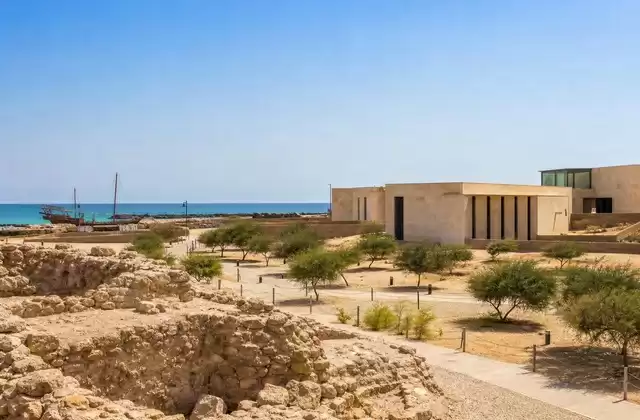
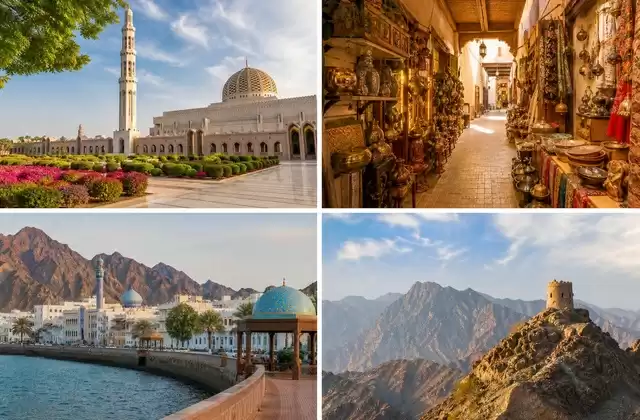
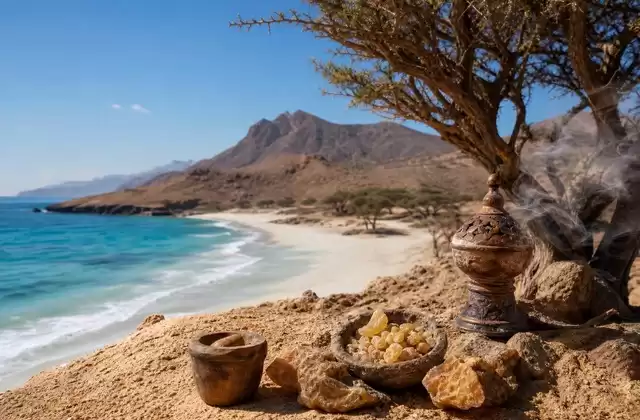
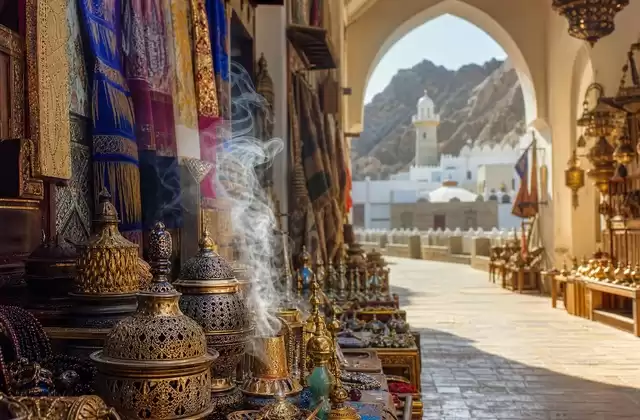
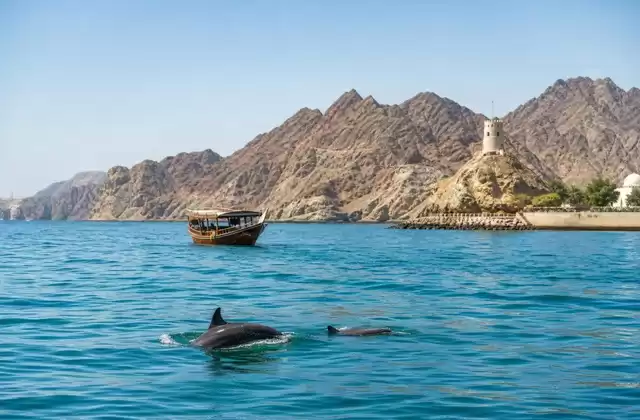
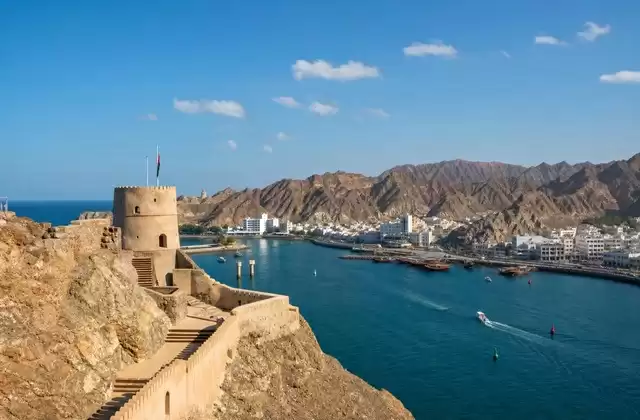
A cruise to Oman reveals a calmer, more rugged, and more varied side of the Gulf than its flashier neighbors. In Muscat, mountains descend almost to the sea, forts guard the harbor entrance, and Mutrah Souk extends the port experience with the scent of incense.
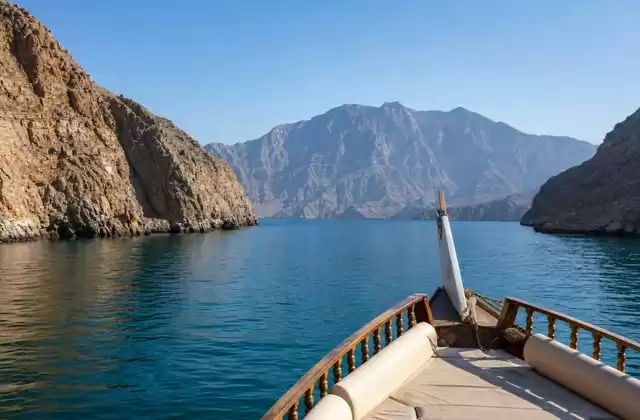
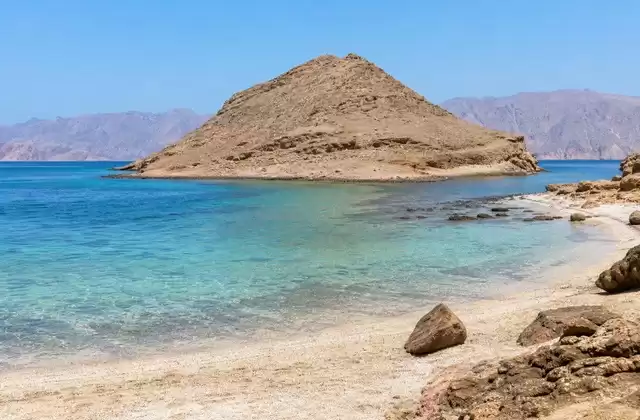
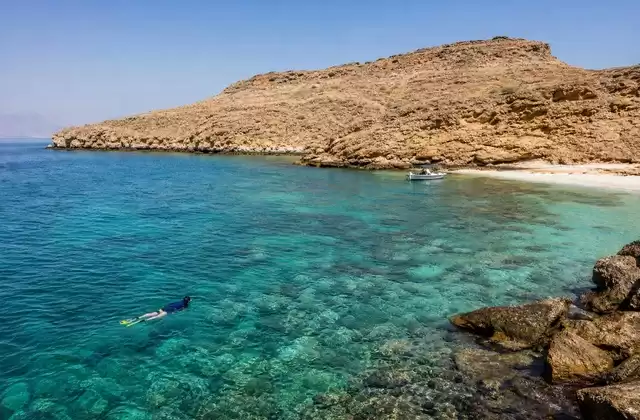
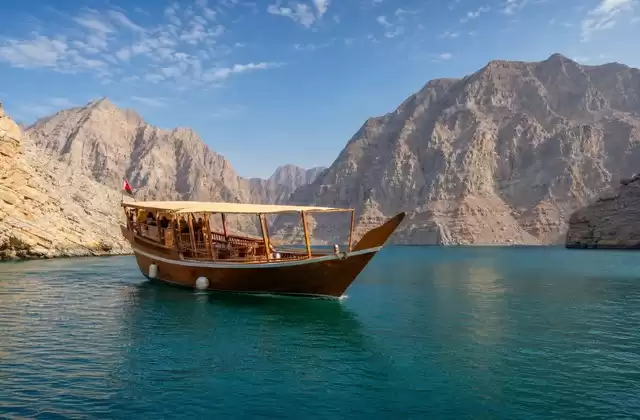
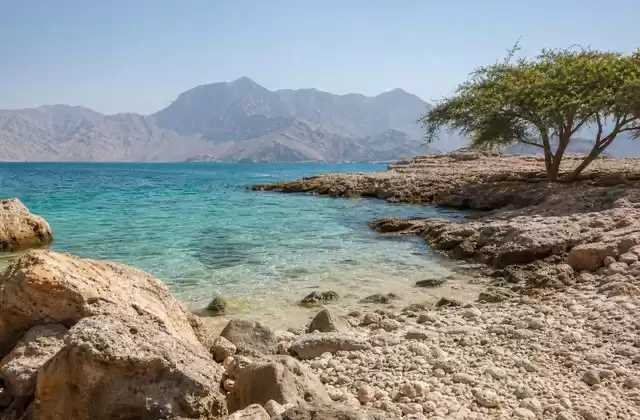
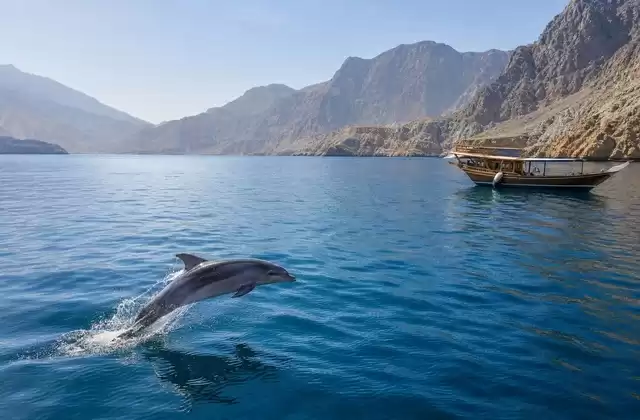
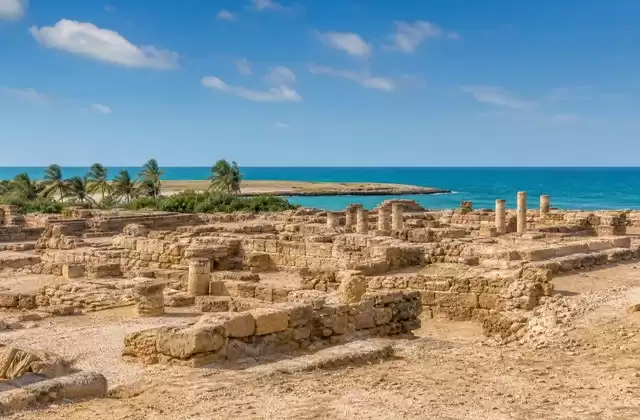
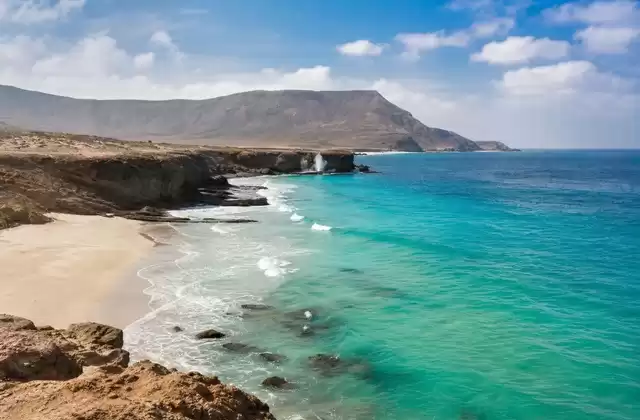
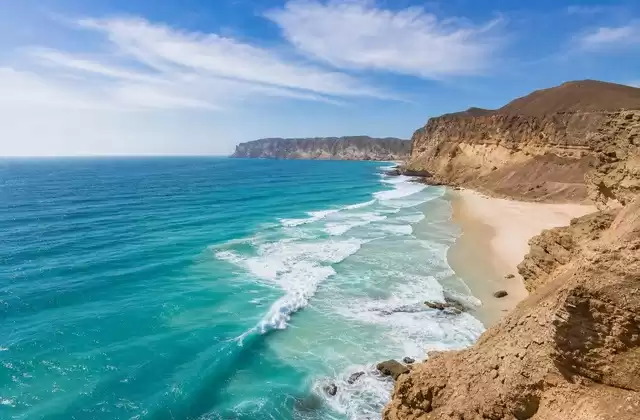
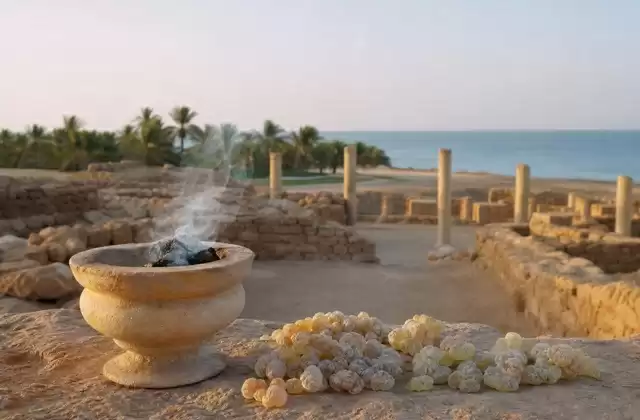
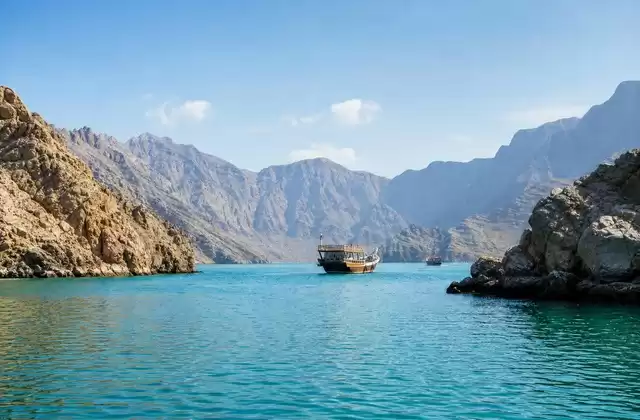
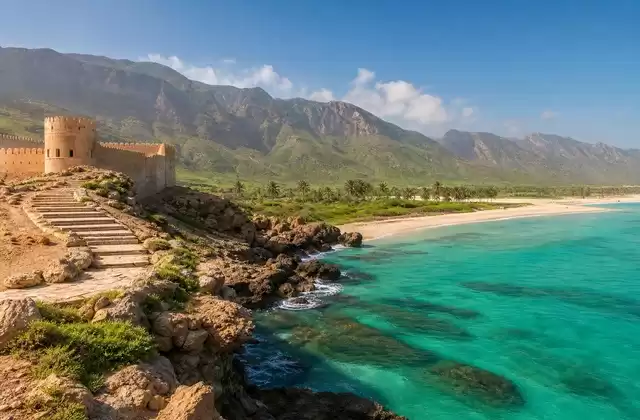
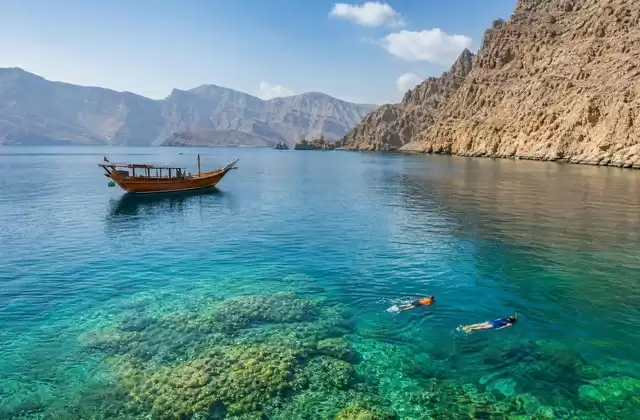
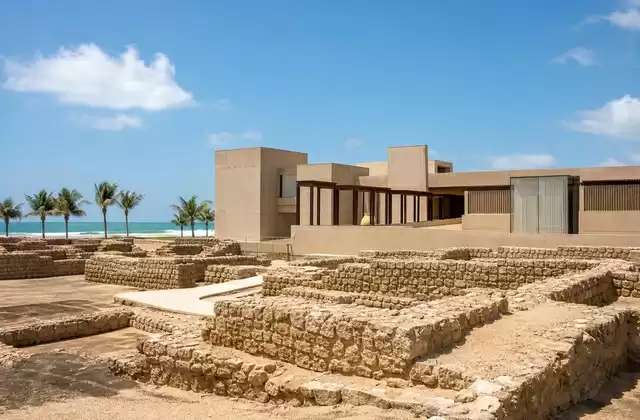
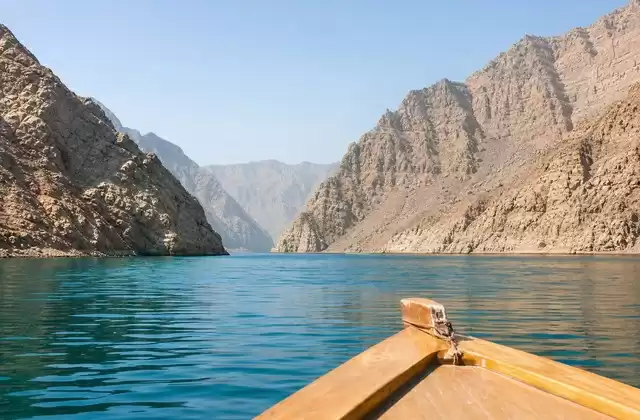
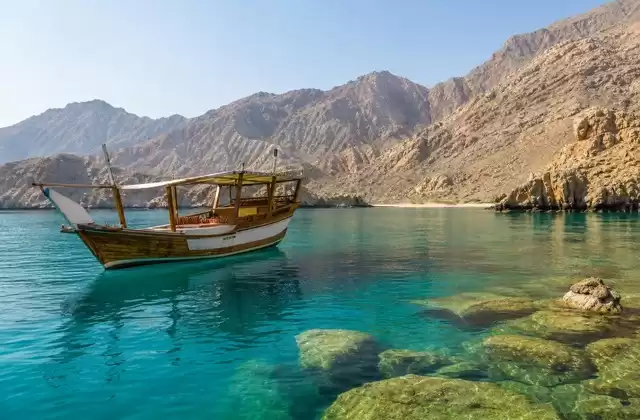
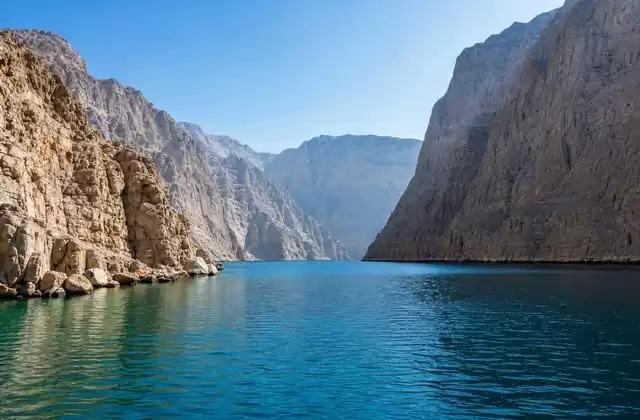
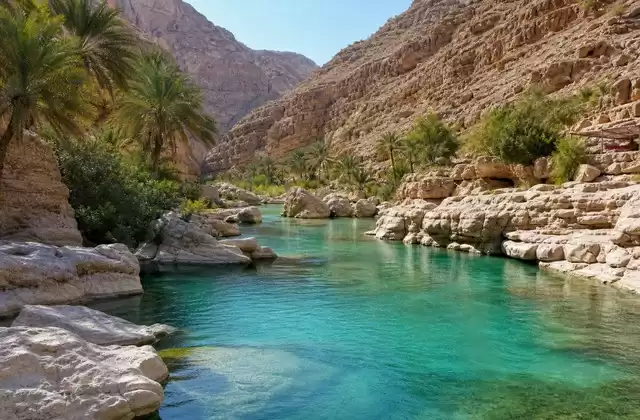
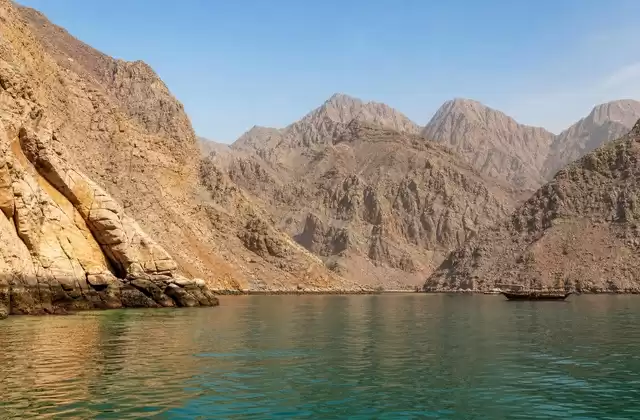
Farther north, Khasab opens onto the Musandam fjords, while Salalah brings a more tropical atmosphere of beaches, plantations, wadis, and reminders of the frankincense route. The destination combines scenic cruising, heritage, desert landscapes, maritime traditions, and rewarding nature experiences in port.
Quick access
Your search criteria:
Oman
Sort: Best sellers
Currently no cruise offer available