 416 850 1835


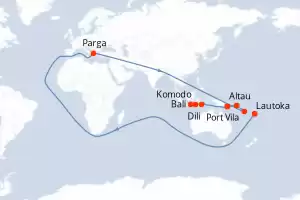
Itinerary : Lautoka, Parga, Port Vila, Honiara (Solomon Islands), Altau, Samarai, Dili, Komodo, Bali

On-board meals included
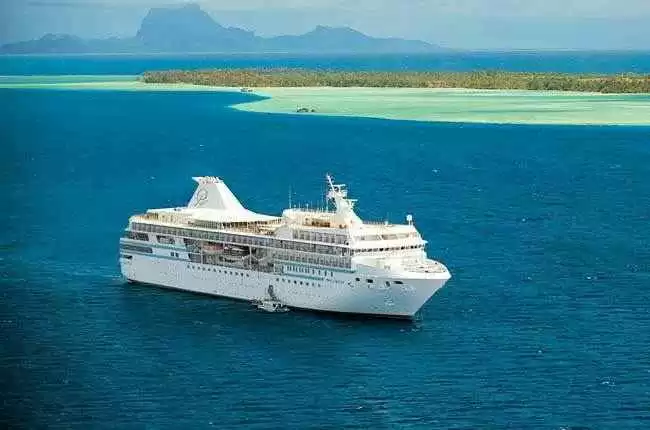
Paul Gauguin
21 d
Ocean view Stateroom
Lautoka
01/28/2027
from
15 848 $CA
On-board meals included
View offers


1 cruises found
A cruise to Papua New Guinea reveals a more rugged, culturally rich, and far less standardized side of the Pacific than major tropical destinations.
Ports of call include Alotau and the villages of Milne Bay, Rabaul’s volcanoes, Madang’s lagoons, and the Trobriand Islands, where dances, houses, outrigger canoes, and traditions remain very much alive.
The journey has the feel of a relaxed expedition, with boat outings, guided encounters, snorkeling, volcanic landscapes, traces of World War II, and ports of call where you take time to understand before taking pictures.
Your search criteria:
Papua new guinea
Itinerary : Lautoka, Parga, Port Vila, Honiara (Solomon Islands), Altau, Samarai, Dili, Komodo, Bali
Paul Gauguin
21 d
Ocean view Stateroom
Lautoka
01/28/2027
from
15 848 $CA


Alotau
Milne Bay
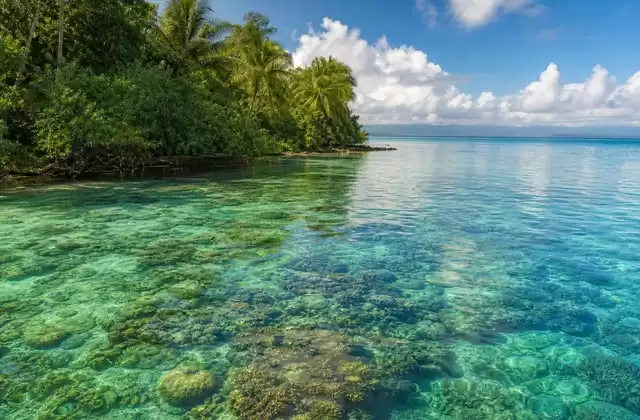
Tawali
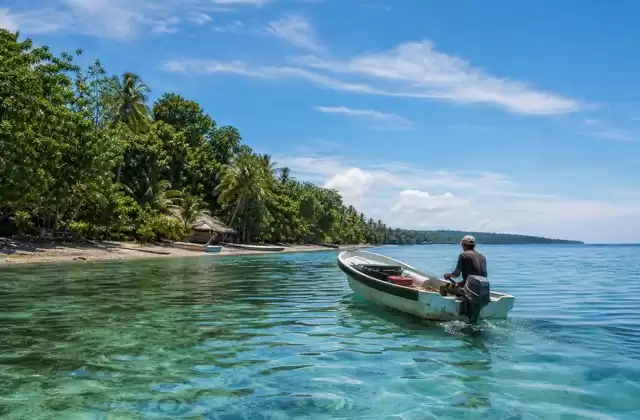
Milne Bay
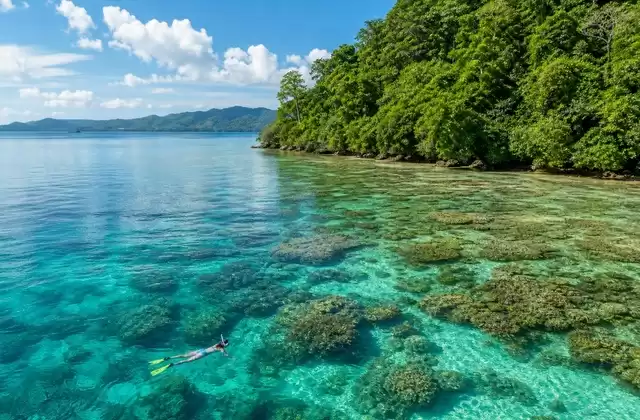
Tawali
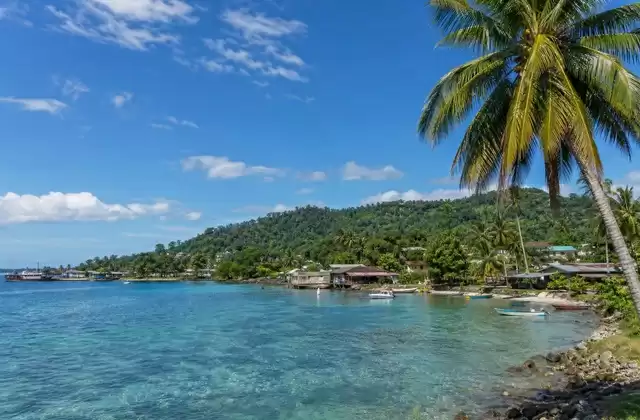
Alotau
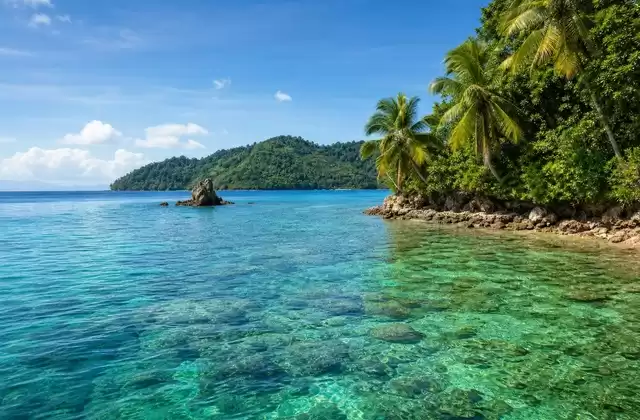
Tawali
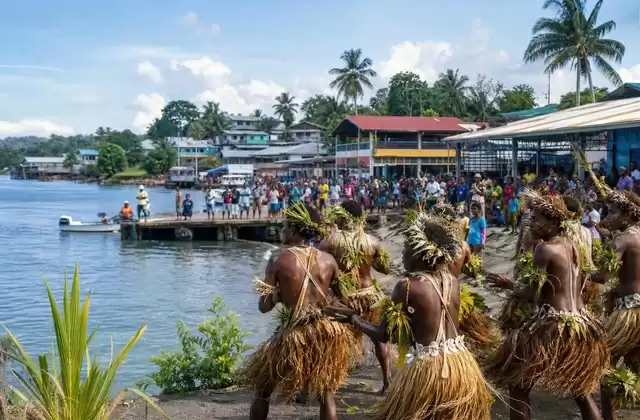
Alotau
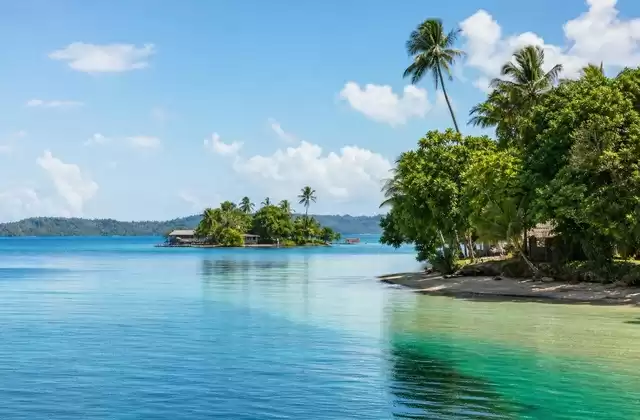
Milne Bay
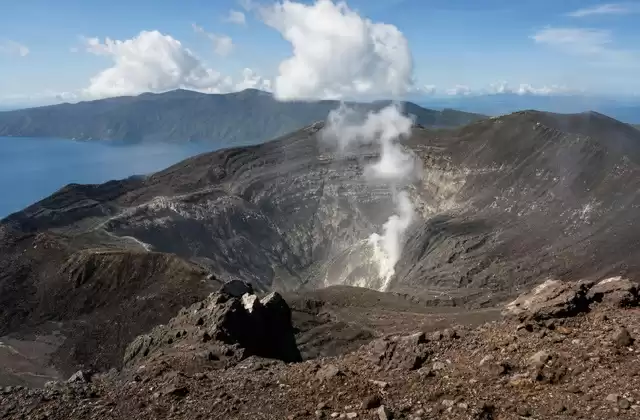
Tavurvur Volcano
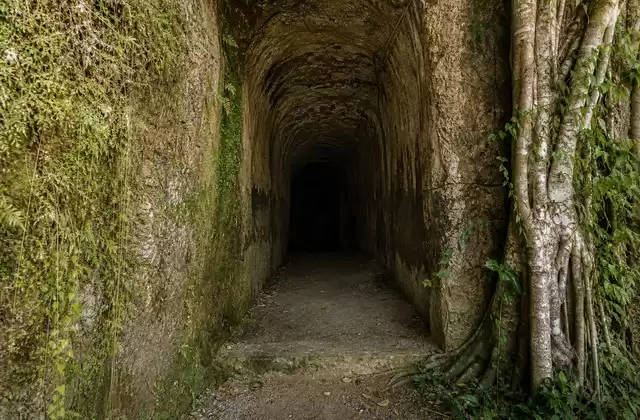
Japanese tunnels
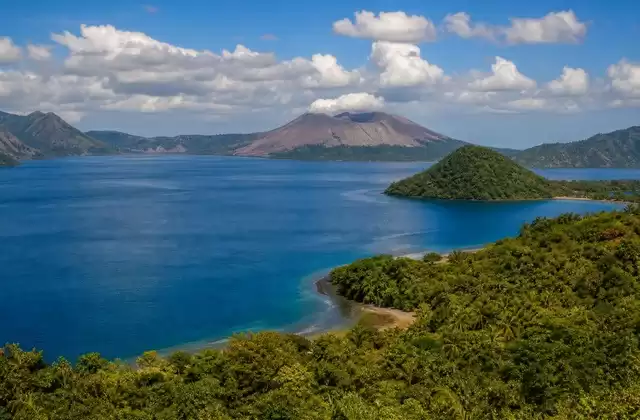
Simpson Harbor
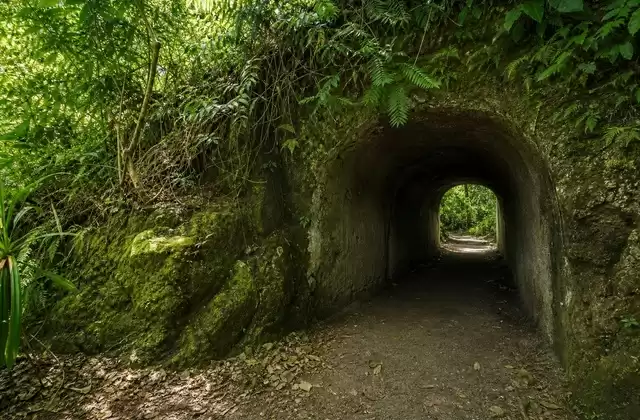
Japanese tunnels
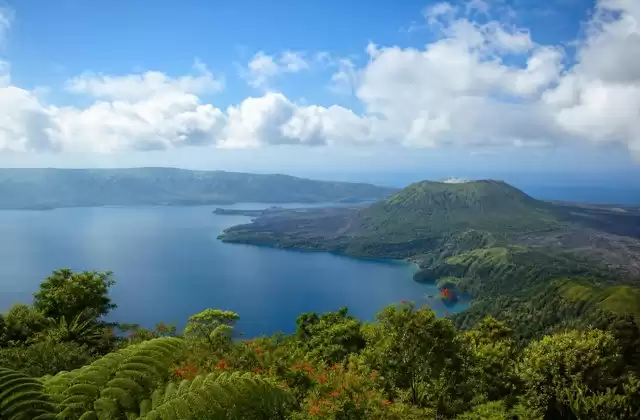
Simpson Harbor
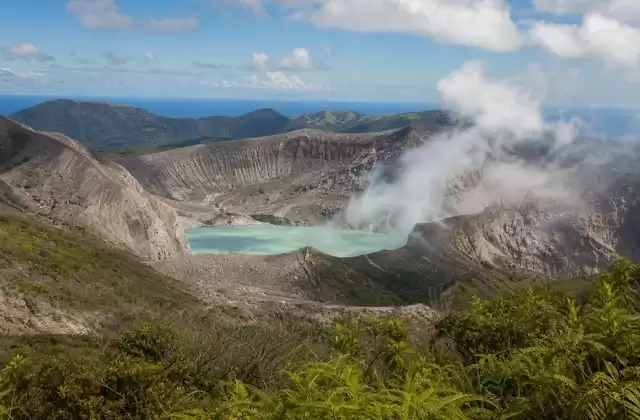
Tavurvur Volcano
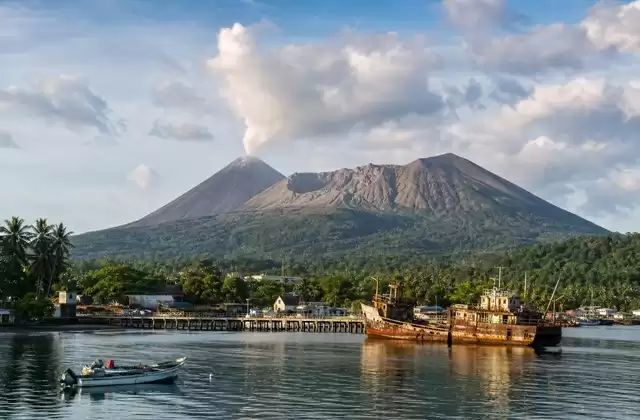
Simpson Harbor
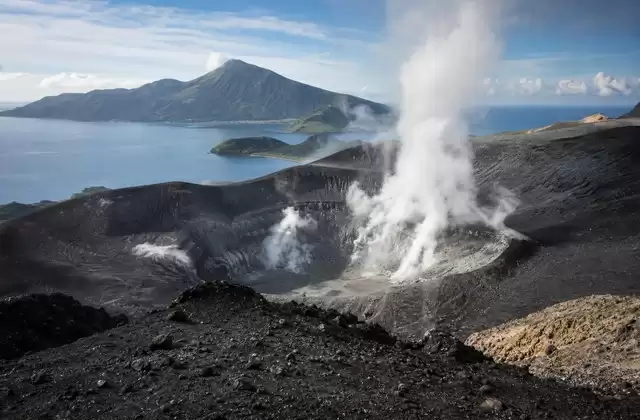
Tavurvur Volcano
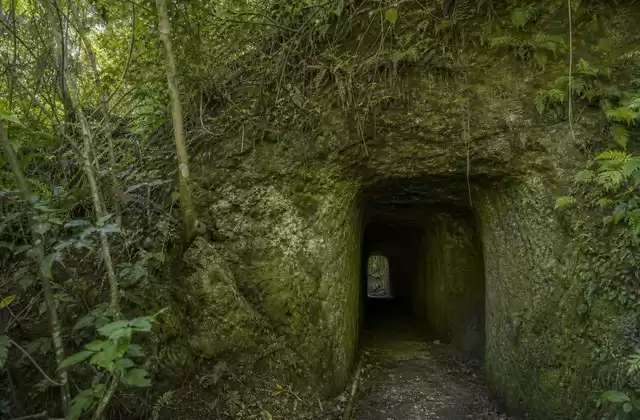
Japanese tunnels
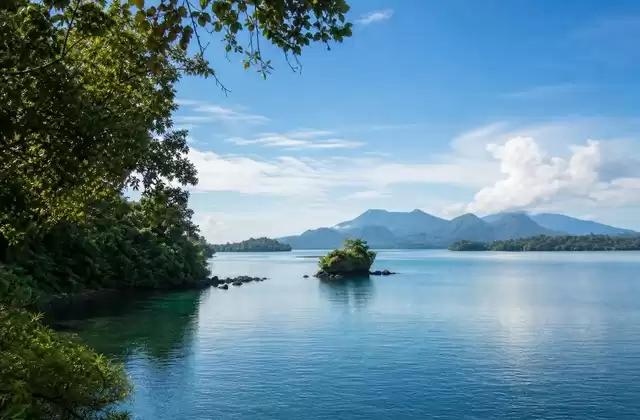
Madang Harbor
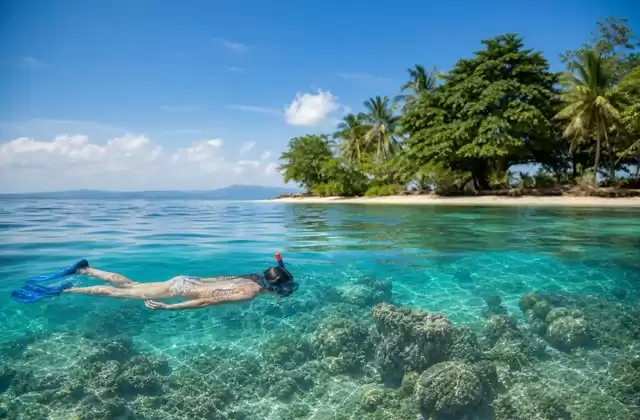
Pig Island
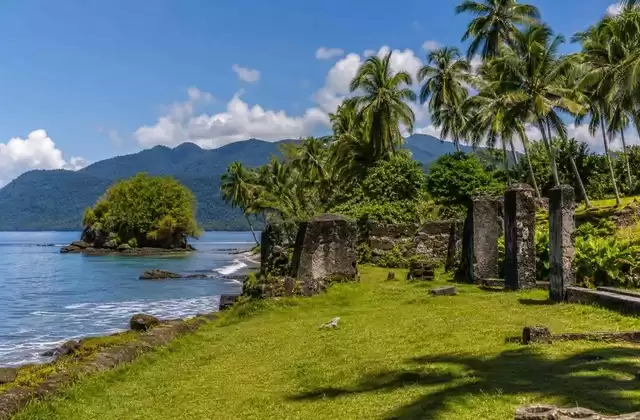
Alexishafen
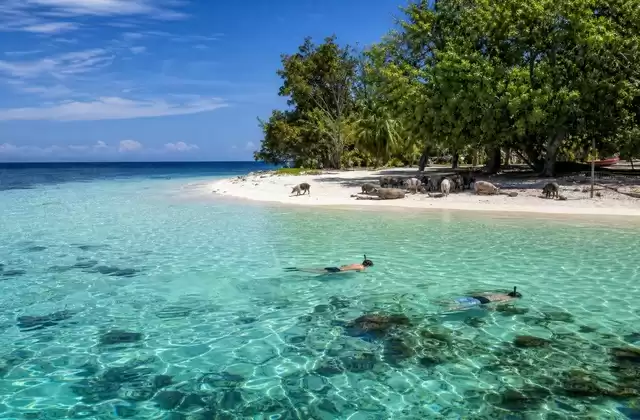
Pig Island
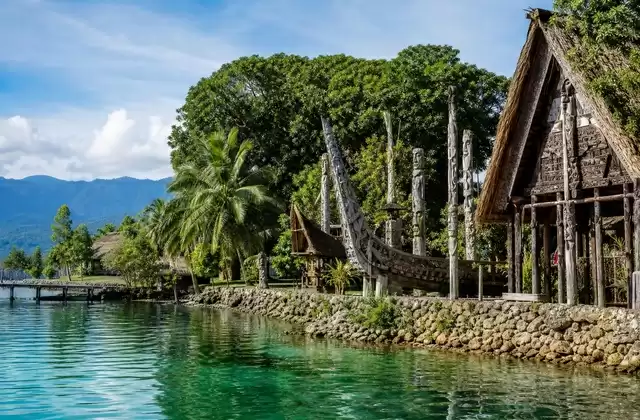
Alexishafen
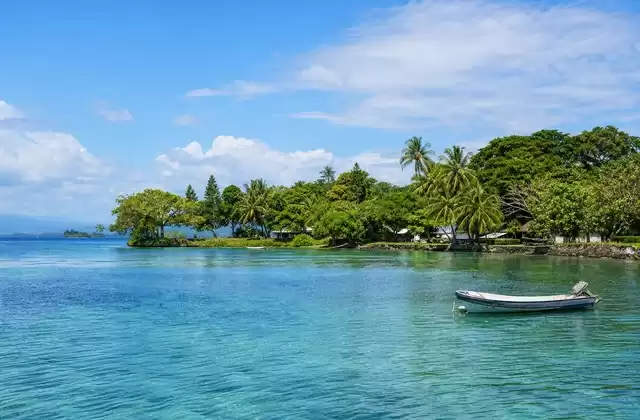
Madang Harbor
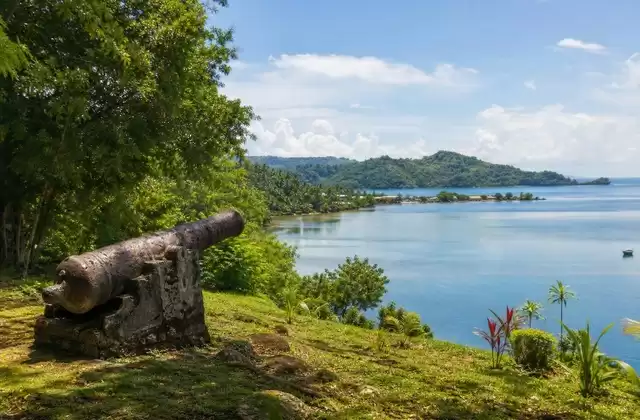
Alexishafen
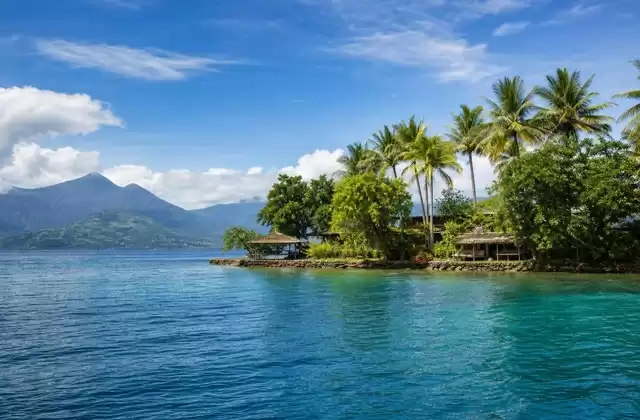
Madang Harbor
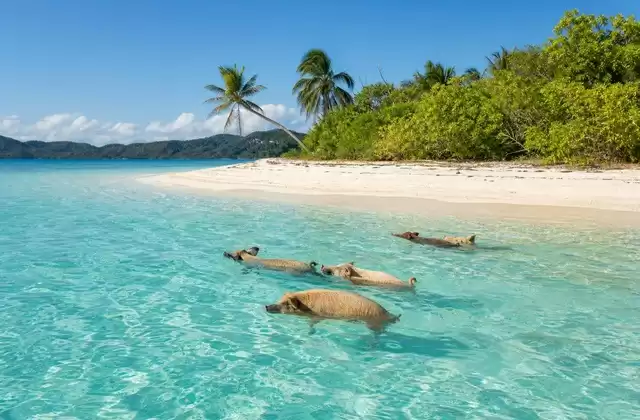
Pig Island
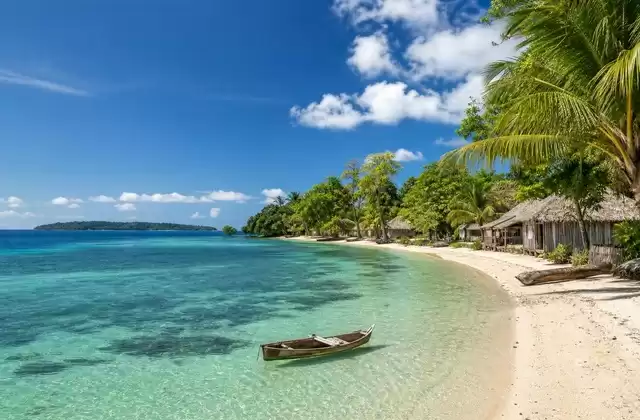
Kitava
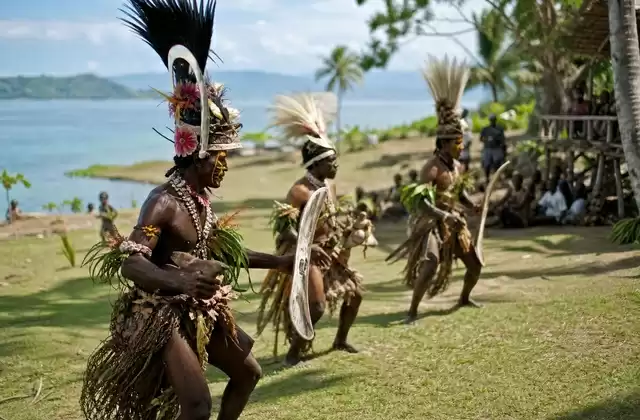
Kiriwina
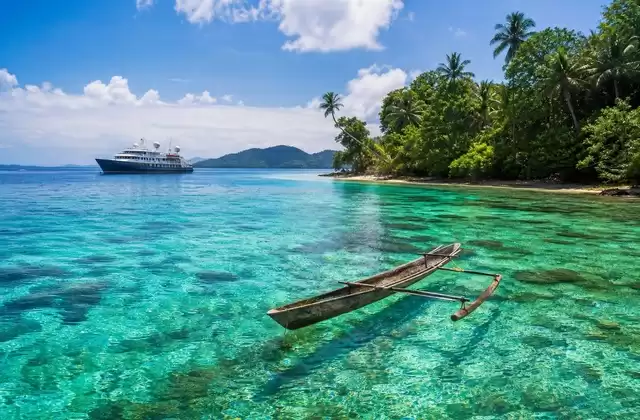
Louisiade Archipelago
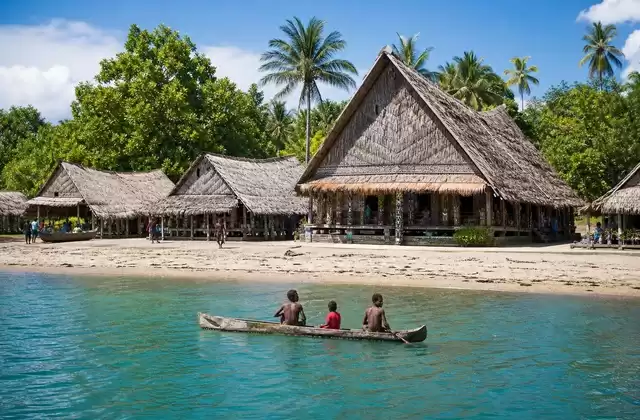
Kiriwina
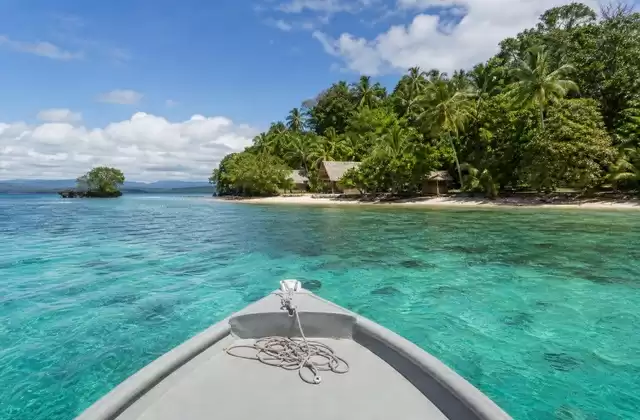
Louisiade Archipelago
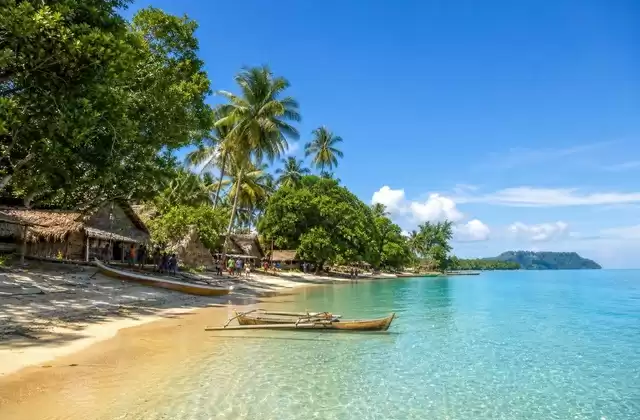
Kitava
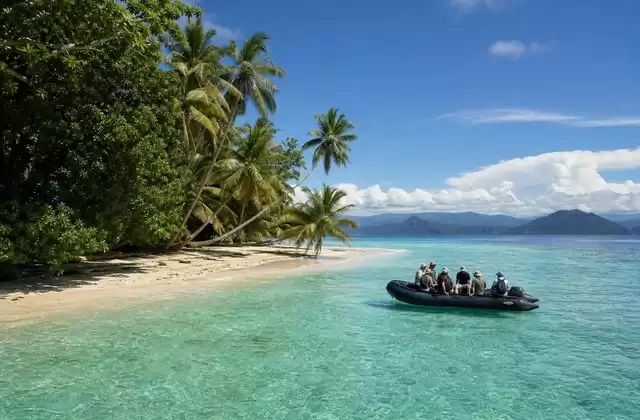
Louisiade Archipelago
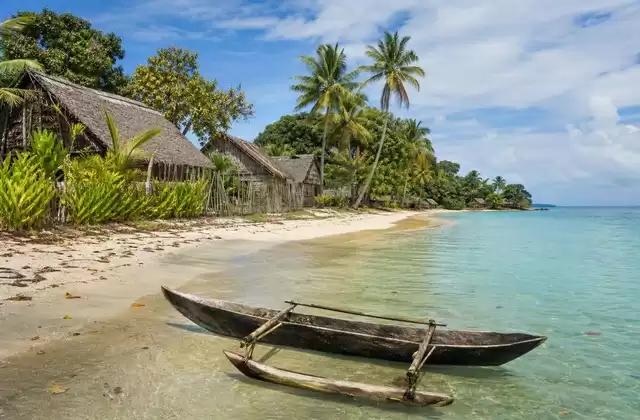
Kitava
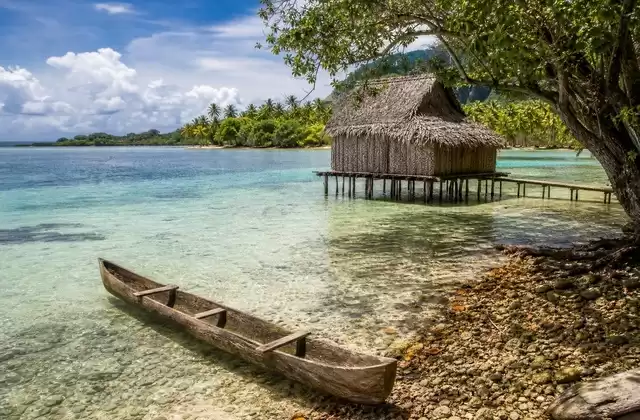
Kiriwina

Weather & swimming
Conditions remain unsettled but gradually improve. Vegetation is very lush, showers are still possible, and sea conditions can change rapidly.
Expert advice
Consider this period only for a rare or particularly well-managed itinerary. For a first trip, the drier season is a better choice.

Weather & swimming
The most favorable period. Rain is often less frequent, and conditions are more stable for landings, boat outings, and village visits.
Expert advice
This is the best window for a cruise to Papua New Guinea, especially if the itinerary includes Alotau, Rabaul, Madang, or the Trobriand Islands.

Weather & swimming
Conditions are often at their most comfortable. Days remain tropical, but the risk of heavy rain is lower in several coastal areas.
Expert advice
It is a great time for travelers who want to maximize their excursions, cultural encounters and marine activities.
Weather & swimming
Hot, humid, and more variable. Rain can be heavy, seas rougher, and some ports of call more difficult to arrange.
Expert advice
A less-than-ideal period for a first visit. Some itineraries are still possible, but flexibility is essential.
| Season | Weather & swimming | Expert advice |
|---|---|---|
March–April | Conditions remain unsettled but gradually improve. Vegetation is very lush, showers are still possible, and sea conditions can change rapidly. | Consider this period only for a rare or particularly well-managed itinerary. For a first trip, the drier season is a better choice. |
May–June and October | The most favorable period. Rain is often less frequent, and conditions are more stable for landings, boat outings, and village visits. | This is the best window for a cruise to Papua New Guinea, especially if the itinerary includes Alotau, Rabaul, Madang, or the Trobriand Islands. |
July–September Conditions are often at their most comfortable. Days remain tropical, but the risk of heavy rain is lower in several coastal areas. It is a great time for travelers who want to maximize their excursions, cultural encounters and marine activities. | ||
November–February | Hot, humid, and more variable. Rain can be heavy, seas rougher, and some ports of call more difficult to arrange. | A less-than-ideal period for a first visit. Some itineraries are still possible, but flexibility is essential. |
In Papua New Guinea, hotspots are rarely places to check off a list quickly. Instead, they are immersive regions where the culture, sea, history, and landscapes deserve time and attention.
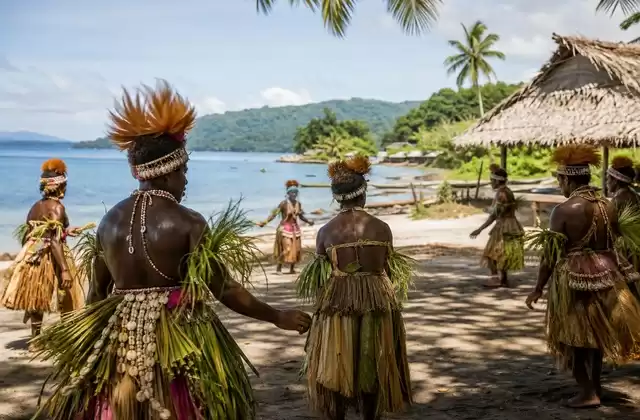
In Alotau
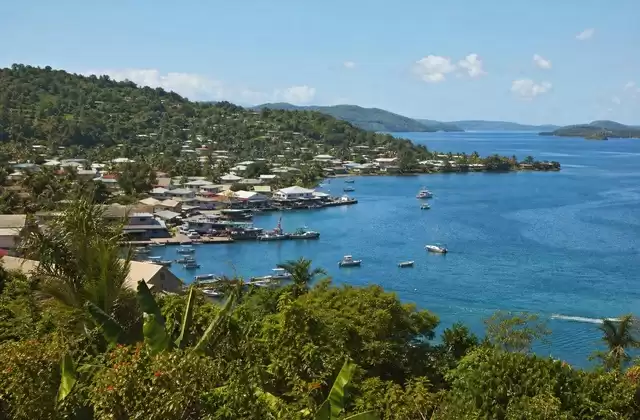
Milne Bay’s welcome dances, markets, and villages offer a lively introduction to the local culture.
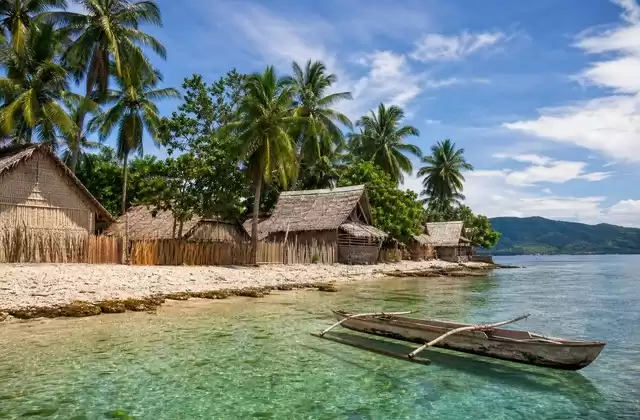
In the Trobriand Islands
Kitava and Kiriwina offer a rare immersion in island communities with strong traditions.
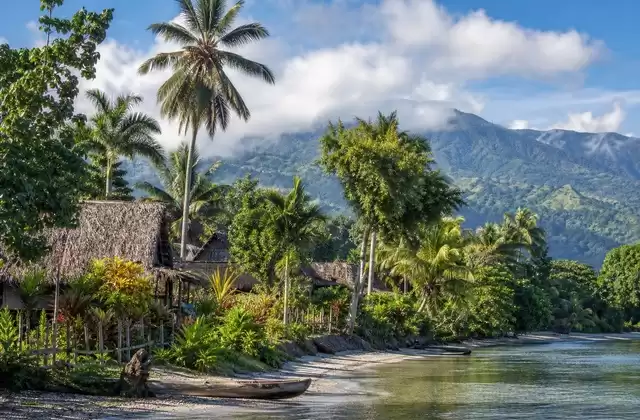
In Madang
Local villages, gardens, and workshops offer a gentle introduction to everyday Melanesian life.
In Alotau
Milne Bay’s welcome dances, markets, and villages offer a lively introduction to the local culture.
In the Trobriand Islands
Kitava and Kiriwina offer a rare immersion in island communities with strong traditions.
In Madang
Local villages, gardens, and workshops offer a gentle introduction to everyday Melanesian life.
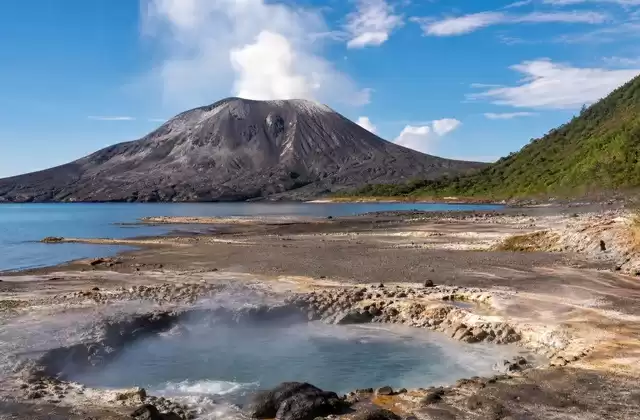
In Rabaul
Tavurvur Volcano, the hot springs, and the ash-covered landscapes make this a particularly memorable port call.
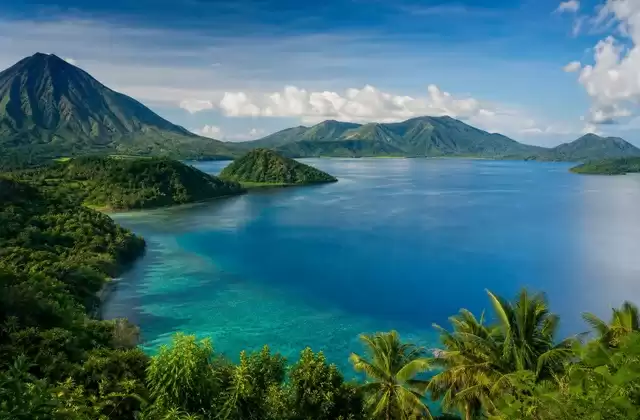
Around Simpson Harbor
Views of the natural harbor and New Britain’s peaks explain the site’s strategic importance.
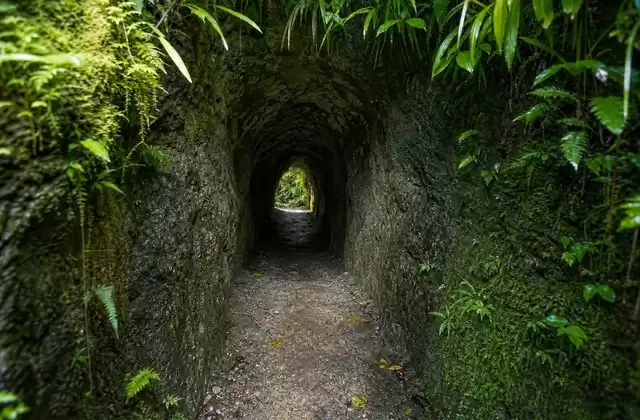
In the Japanese tunnels
World War II history feels especially tangible here, with sites still visible across the landscape.
In Rabaul
Tavurvur Volcano, the hot springs, and the ash-covered landscapes make this a particularly memorable port call.
Around Simpson Harbor
Views of the natural harbor and New Britain’s peaks explain the site’s strategic importance.
In the Japanese tunnels
World War II history feels especially tangible here, with sites still visible across the landscape.
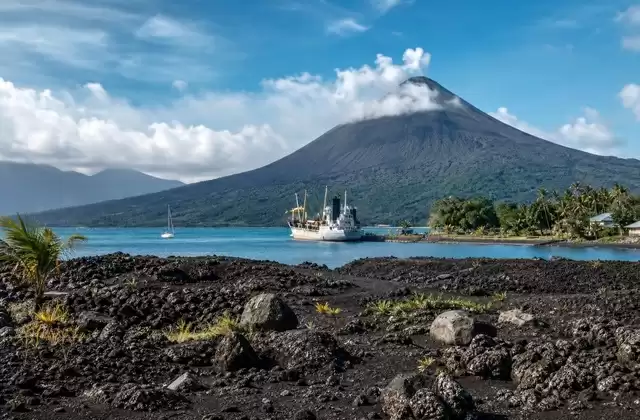
In Rabaul
The volcanoes, harbor, and black ground create one of Papua New Guinea’s most striking scenes.
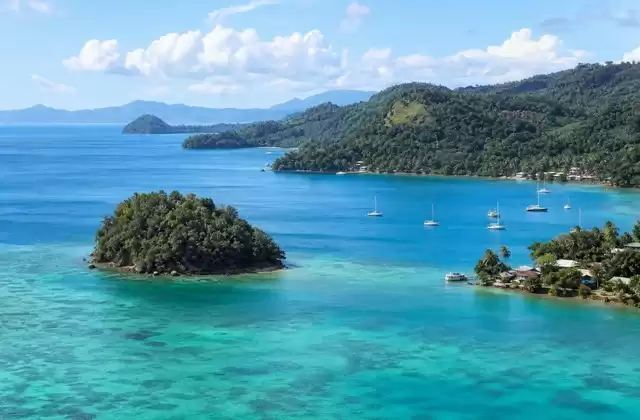
In Madang
The harbor’s small islands, lagoons, and tropical hills create a gentler, more maritime scene.
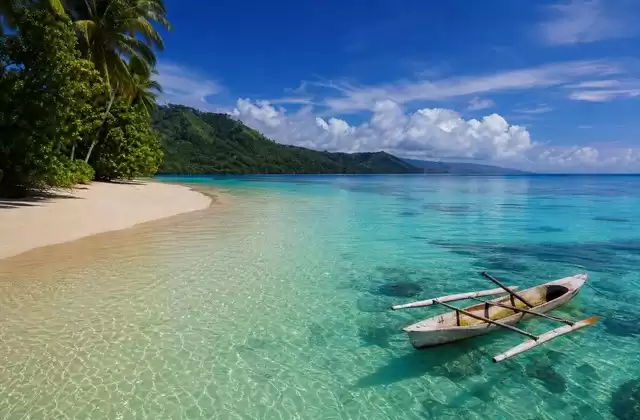
In Kitava
The beaches, outrigger canoes, and clear waters create a pristine setting often associated with expedition itineraries.
In Rabaul
The volcanoes, harbor, and black ground create one of Papua New Guinea’s most striking scenes.
In Madang
The harbor’s small islands, lagoons, and tropical hills create a gentler, more maritime scene.
In Kitava
The beaches, outrigger canoes, and clear waters create a pristine setting often associated with expedition itineraries.
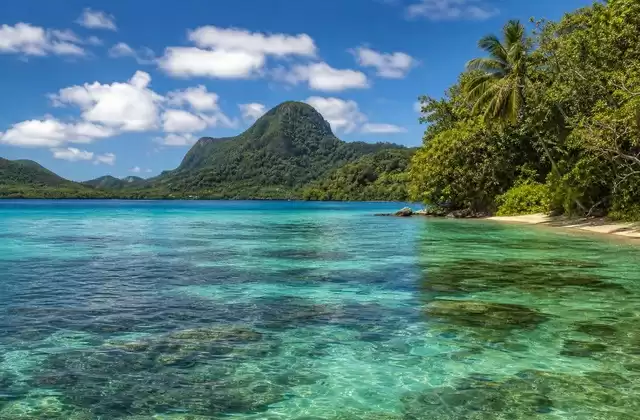
In Tawali
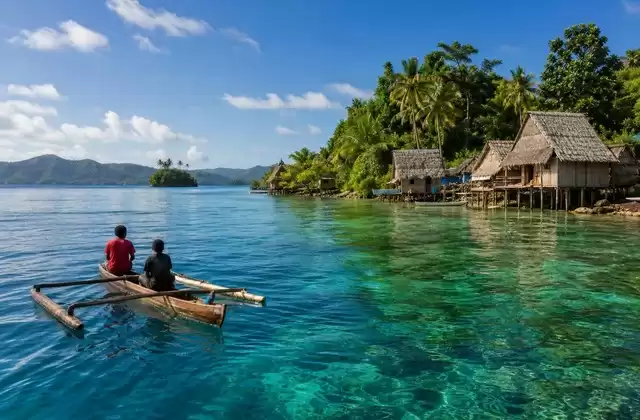
Milne Bay’s underwater world and scenery appeal to travelers seeking a more nature-focused port call.
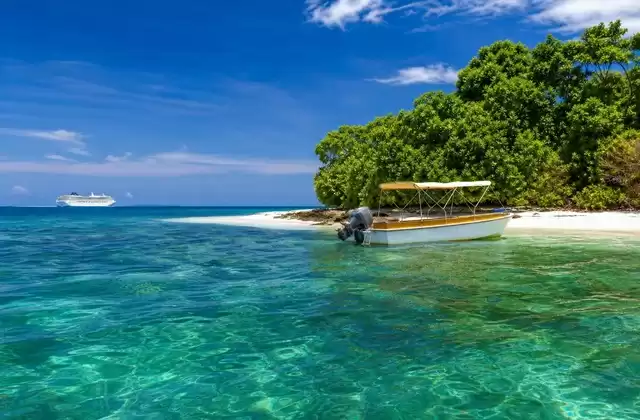
On Pig Island
Madang offers an easy and enjoyable snorkeling outing around a small island.
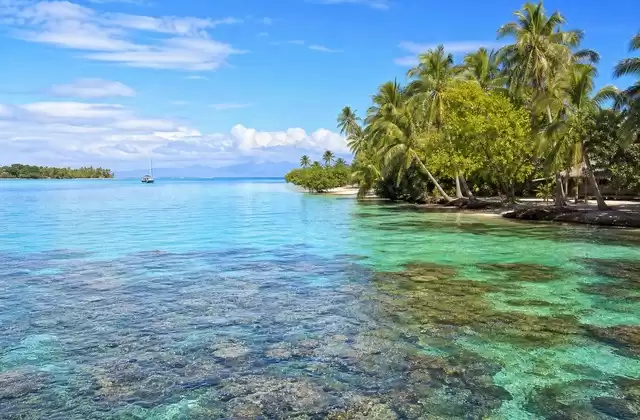
In the Louisiade Archipelago
The reefs and remote islands give a strong sense of exploration.
In Tawali
Milne Bay’s underwater world and scenery appeal to travelers seeking a more nature-focused port call.
On Pig Island
Madang offers an easy and enjoyable snorkeling outing around a small island.
In the Louisiade Archipelago
The reefs and remote islands give a strong sense of exploration.
Arriving at Alotau in the heart of Milne Bay
Alotau often stays with travelers because it offers such a human first impression of Papua New Guinea. The bay, hills, villages, welcome dances, and memories of the Battle of Milne Bay immediately create a more direct connection with the destination.
Seeing Rabaul’s volcanoes, natural harbor, and wartime remnants
Rabaul remains one of the most visually striking ports of call. Travelers remember Tavurvur Volcano, the ash-covered ground, Simpson Harbor, and World War II remnants, which give the site an unusual depth in the Pacific.
Sailing around Madang and its small islands
Madang appeals to travelers with its relaxed, almost lagoon-like atmosphere. They enjoy the boat trips, small islands, villages, snorkeling, and the feeling of discovering a lively Melanesian port that remains deeply connected to the sea.
Stopping at Tawali for a coastal break near Milne Bay
Near Alotau, Tawali offers a peaceful escape into nature. Travelers appreciate the clear water, snorkeling, tropical coastal scenery, and the feeling of getting away from the city without committing to an overly demanding excursion.
Taking in views of Simpson Harbor after visiting the volcanic sites
In Rabaul, gaining a little elevation changes how you see the port of call. Travelers enjoy taking in the natural harbor, volcanoes, and surrounding peaks in a single landscape, which makes the city’s eventful history more vivid.
Heading to Pig Island from Madang for a relaxing swim
Near Madang, Pig Island is often remembered as an enjoyable and much-loved excursion. Travelers find clear water, snorkeling, a relaxed island atmosphere, and an easy way to enjoy the coastline without venturing too far from the harbor.
Papua New Guinea is made up of several islands, most of which are volcanic, revealing a raw, unspoilt nature. Three-quarters of the country is covered in primary and secondary forest, and you'll find two-thirds of the world's wild orchids here. Nature and ecotourism find a paradise here, to be discovered on hikes and walks all over the territory. There's no shortage of parks here, starting with the La Bat Garden and the Moitaka Wildlife Sanctuary. If you're keen on walking, head for the south coast and the Kokoda trail, which is best reserved for advanced hikers.
Easier to access, the Wedau-Aldau coastal walk alternates walking and swimming between beaches and wild jungle. For more popular beaches, head for the Gulf of Papua, to the south, with Madong and its coral reef, ideal for scuba diving. The island also boasts five active and sixteen extinct volcanoes, which can be admired with local guides.
Off the coast of New Guinea, several islands are also worth a visit, such as New Britain and its beaches, where you can see sponges, dolphins and sharks. You can also see the former capital, Raboul, destroyed during the Japanese raids of the Second World War. New Ireland is also known for its paradisiacal beaches, while the Trabriand Islands will allow you to immerse yourself in Papuan culture. Here, you'll discover traditional handicrafts, as well as large-scale yam production in July. Papua New Guinea's most densely populated land, the Highlands are home to villages of the Hulis and Duna tribes, renowned for their decoration and body painting.
It's impossible to visit this part of the world without admiring the charms of the country's capital, Port Moresby. Situated on the shores of the Gulf of Papua, the city was founded in 1883 on the Coral Sea. Here, you'll discover dream beaches and luxury hotels, as well as ancient buildings such as Parliament House, a blend of modern and traditional architecture. The National Museum boasts interesting collections of traditional Papuan art, as well as contemporary productions and artefacts from the New Guinea campaign during the Pacific War. The National Botanical Garden and Moitaka are also an opportunity to discover a crocodile farm. Not far from the capital, visits are organized to the Rouna Falls waterfalls, as well as to the Sage Plateau, entirely covered in forest. If you'd like to delve a little deeper into the culture of the local ethnic groups, particularly the Karawori, don't hesitate to take a cruise on the Sapik River and make a few stopovers in the villages you'll come across.
Papua New Guinea enjoys an equatorial climate, with high levels of heat all year round and constant high humidity. In the lowlands, you'll enjoy temperatures averaging between 24 and 31°C, but this drops off sharply as you gain altitude. The country is generally hit by heavy rains between December and March, and you have to wait until June to October to enjoy a milder, drier climate. Note that there is always some rainfall at this time of year, but temperatures remain fairly high. July is the best time to explore the forests and mountains.