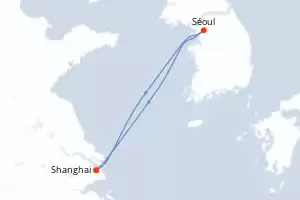
Itinerary : Shanghai, Séoul, Shanghai


11 other departures
Spectrum Of The Seas
5 d
Inside Stateroom
Shanghai
03/06/2028
from
698 $CA
Other departures:
09 Feb 2027
16 Mar 2027
26 May 2027
Other departures

2 cruises found
A cruise to South Korea can take you, in just a few ports of call, from a seaside temple to a lively fish market, and from a volcanic island to a capital where royal palaces, hanok neighborhoods and skyscrapers stand side by side.
The journey blends Korean culture, street food, coastal scenery, colorful villages, modern ports and major cities that are easy to explore during a port call.
Depending on the itinerary, the experience can focus on city life, heritage, food or nature, with Busan, Jeju, Incheon, Seoul, Yeosu or Sokcho serving as gateways to very different settings.
Your search criteria:
South Korea
Itinerary : Shanghai, Séoul, Shanghai


11 other departures
Spectrum Of The Seas
5 d
Inside Stateroom
Shanghai
03/06/2028
from
698 $CA
Other departures:
09 Feb 2027
16 Mar 2027
26 May 2027
Other departures
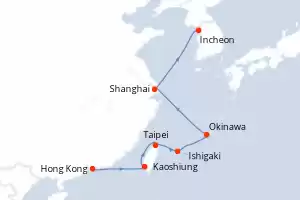
Itinerary : Hong Kong, Kao-hsuing, Taipei, Ishigaki, Okinawa, Shanghai, Incheon


Seven Seas Splendor
12 d
Suite
Hong Kong
02/20/2029
from
14 873 $CA
| Season | Weather & swimming | Expert advice |
|---|---|---|
January–March & December | Cold, drier weather makes this a more city-focused season. Temperatures can be low, especially around Seoul and in the north, but Busan and Jeju remain more accessible, depending on the itinerary. | A good choice for travelers who prioritize cities, culture and multi-country Asian itineraries. For a milder, more well-rounded experience, spring and fall are still more comfortable. |
April–May | Mild weather, spring blooms and beautiful light. Temperatures are pleasant for walking, the scenery is brighter and conditions are good for exploring urban destinations such as Busan, Seoul and Jeju. | An excellent time for a first cruise in South Korea, especially if you want to combine culture, walkable neighborhoods, temples and Jeju's landscapes. |
June–August Hot, humid and more variable. The heat can be intense, rain is more frequent and tropical weather systems may affect the region in late summer. Consider this period if the itinerary appeals to you, but plan morning visits, breaks in the shade and flexible activities in case the weather changes. | ||
September–November | Often stable weather and fall colors. The days are still pleasant, humidity gradually decreases and mountain and temple scenery becomes especially striking. | Probably one of the best times for Korea–Japan itineraries, with a good balance of comfortable sightseeing, colorful scenery and a quieter atmosphere. |
South Korea is especially rewarding to explore by cruise because its ports open the door to remarkably varied experiences: seaside temples, markets, palaces, historic neighborhoods, volcanic islands and mountain landscapes.

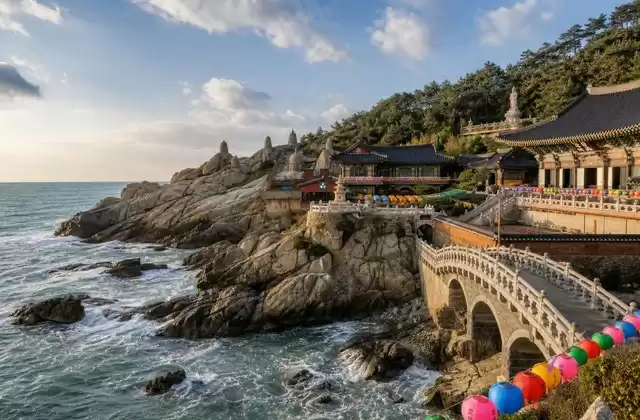
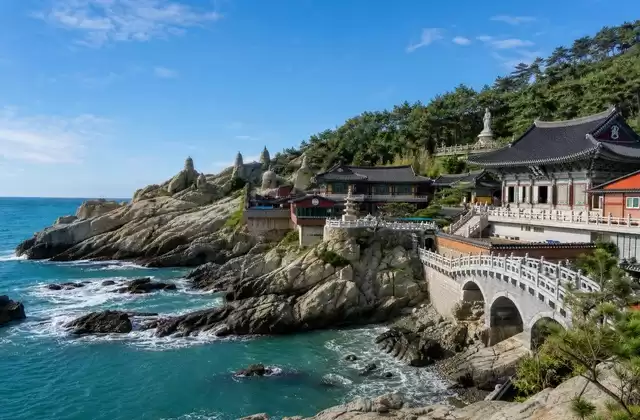
Busan
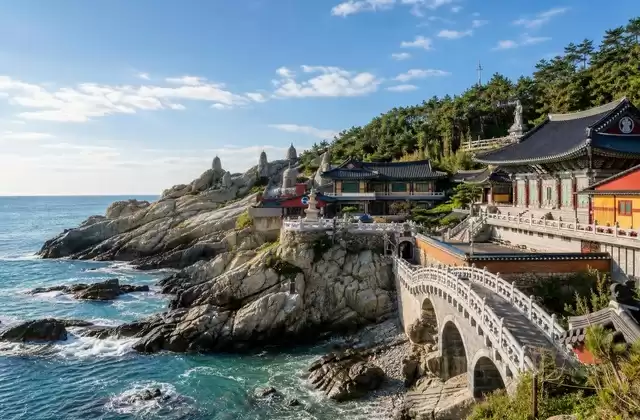
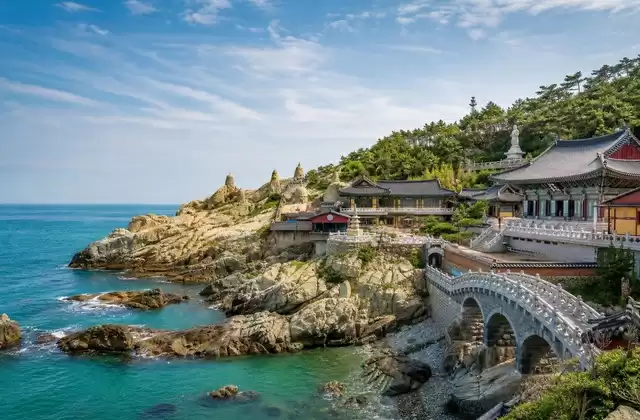
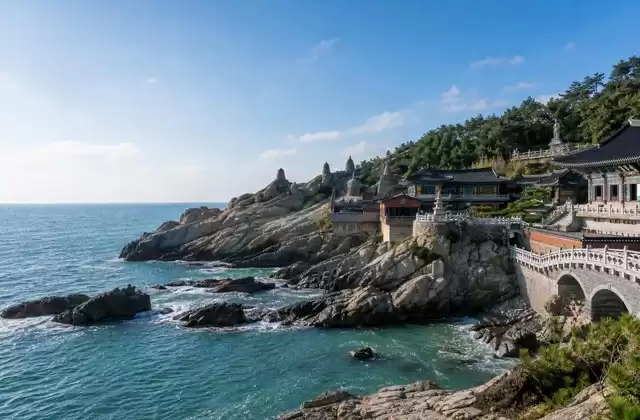
Haedong Yonggungsa offers one of the coast's most striking sights, with its temple perched above the rocks.

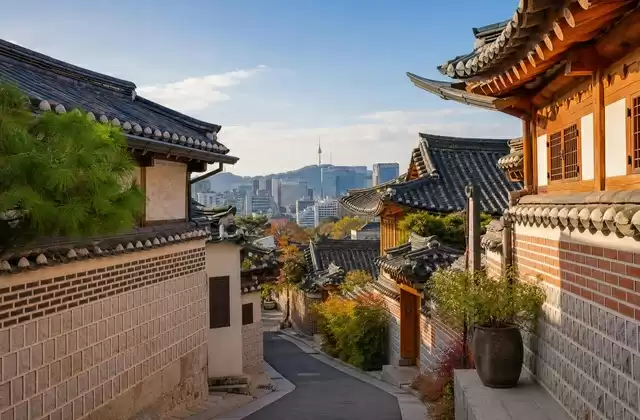
Seoul
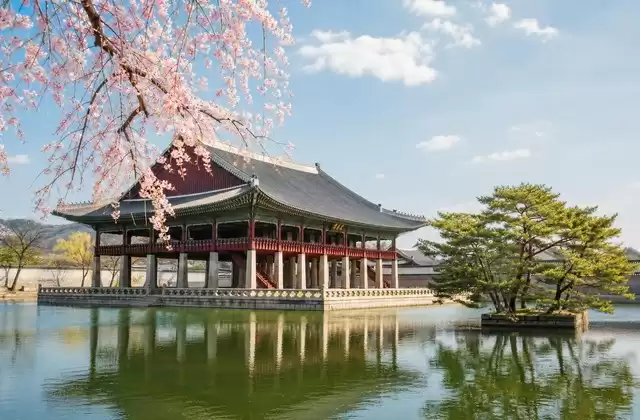
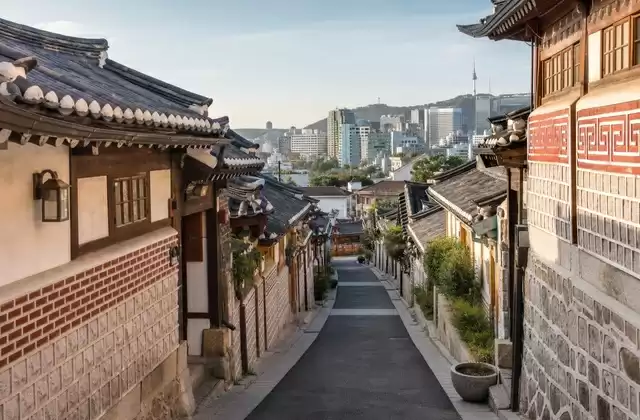
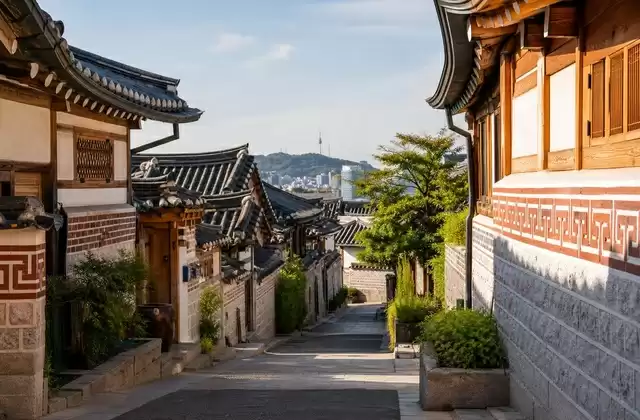
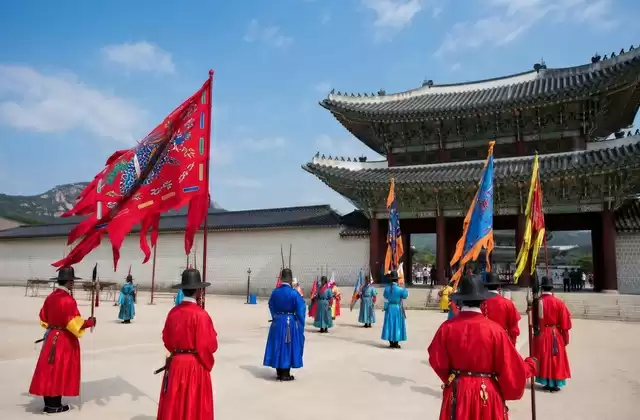
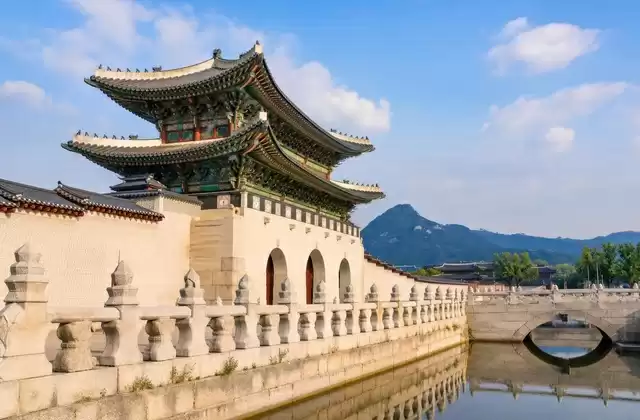
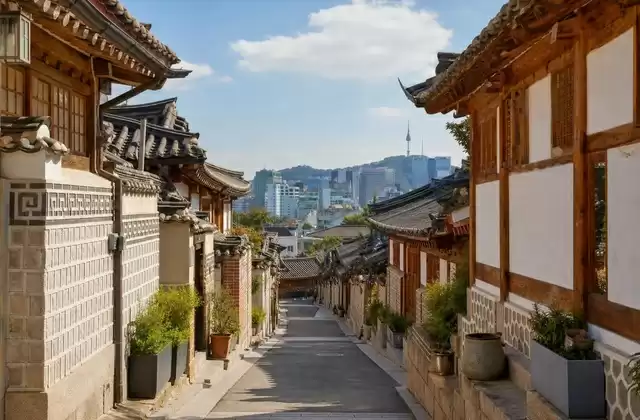
Gyeongbokgung and Bukchon connect royal history and traditional architecture with the contemporary city.

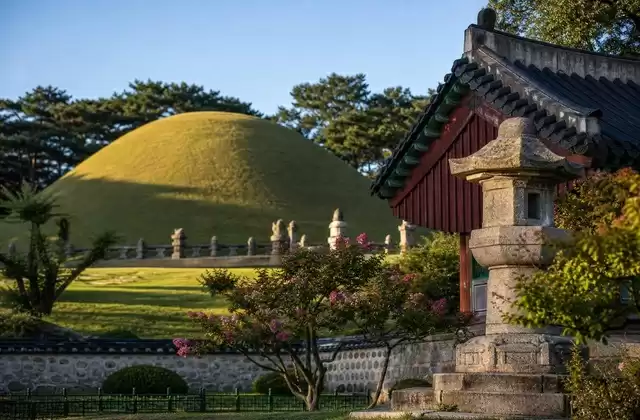
Gyeongju
Royal tombs, Bulguksa and historic sites offer insight into Korea's ancient culture and are often accessible from Busan or nearby ports, depending on the shore excursions available.

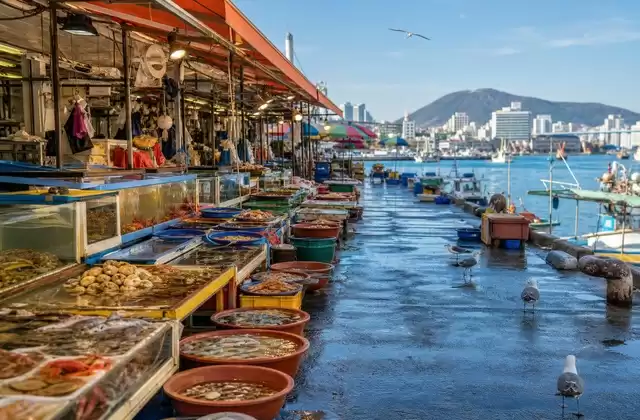
Busan
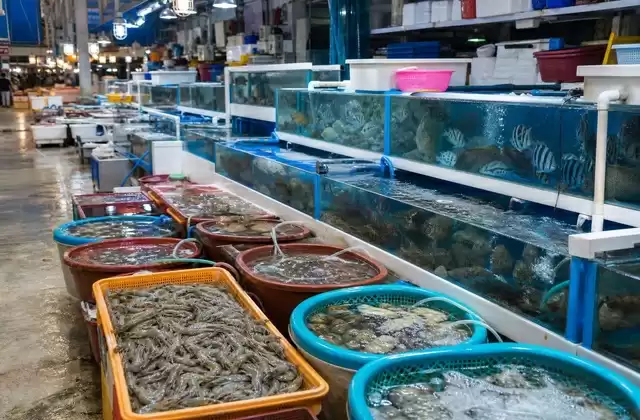
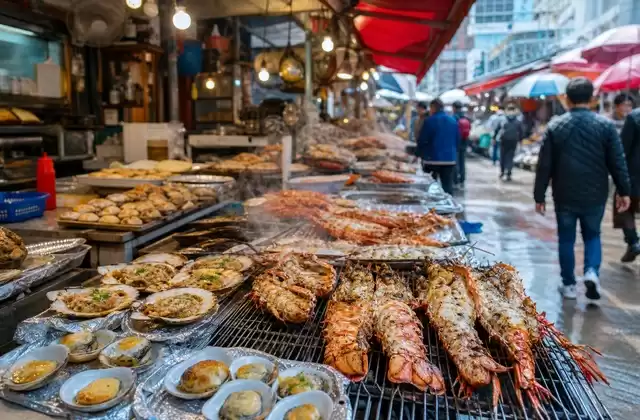
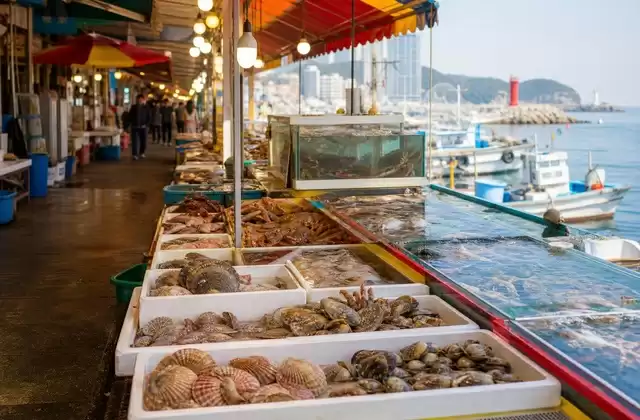
Jagalchi Market and BIFF Square bring together fish stalls, snacks, casual restaurants and the atmosphere of a major port.

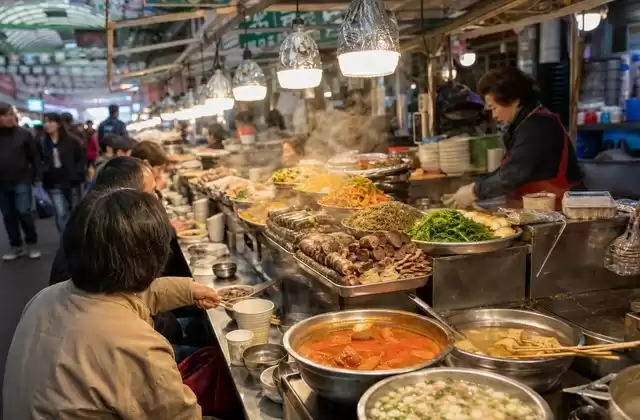
Seoul
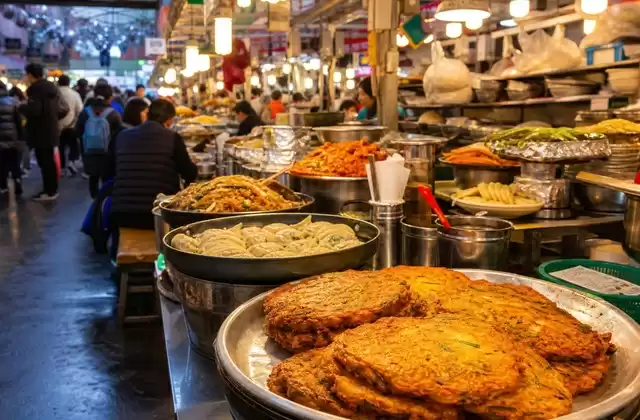
Gwangjang Market is a great place to sample several Korean classics in a lively and down-to-earth atmosphere.

Sokcho
Sokcho Tourist & Fishery Market offers a more local perspective on the east coast, with seafood and specialties to go.

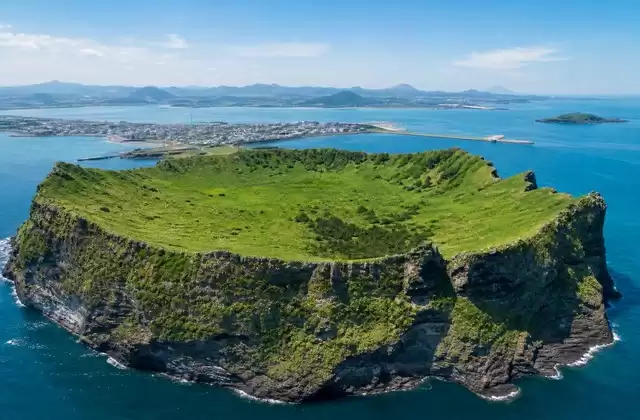
Jeju
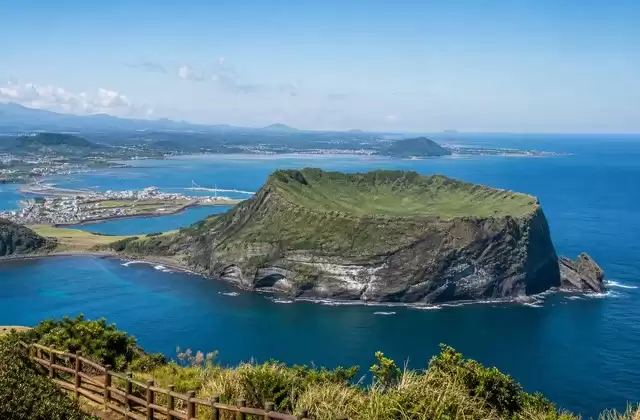
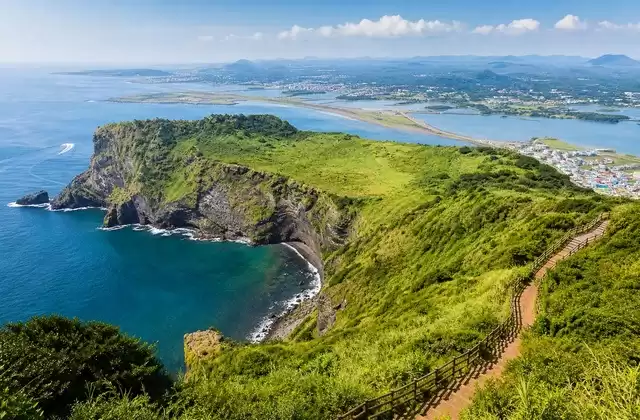
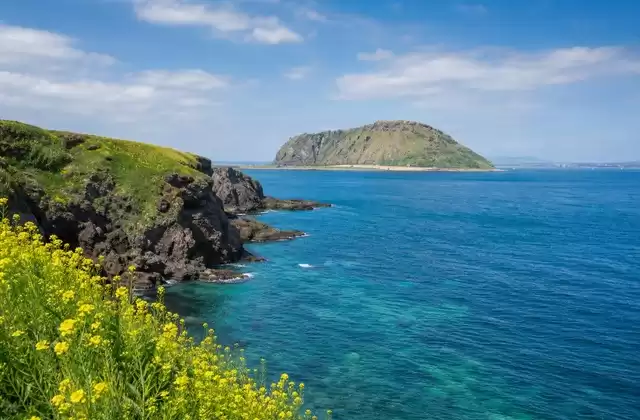
Seongsan Ilchulbong offers spectacular views of the island, the sea and the volcanic terrain.

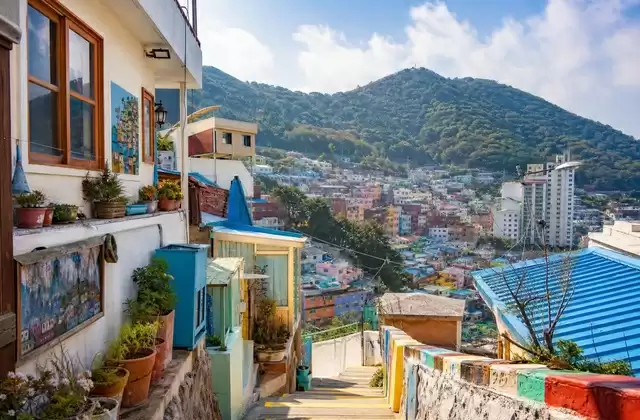
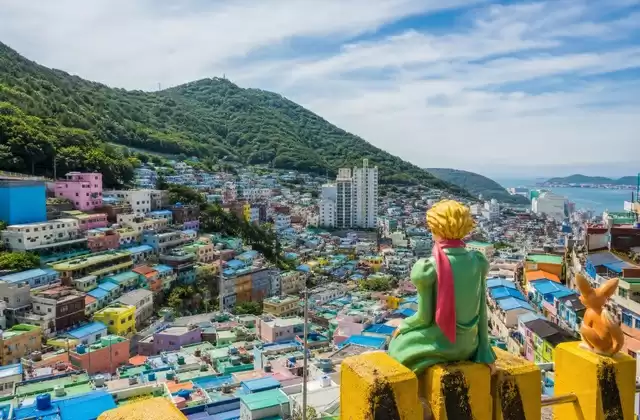
Busan
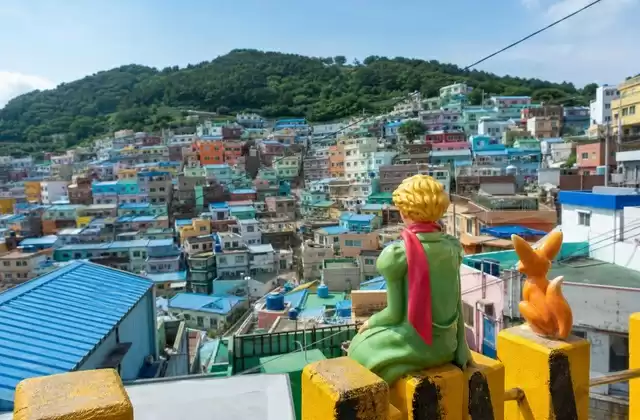
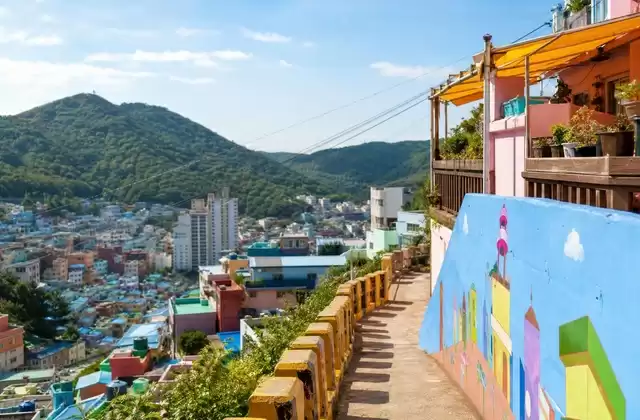
Gamcheon Culture Village creates an instantly recognizable scene, with its colorful houses cascading on the hill.

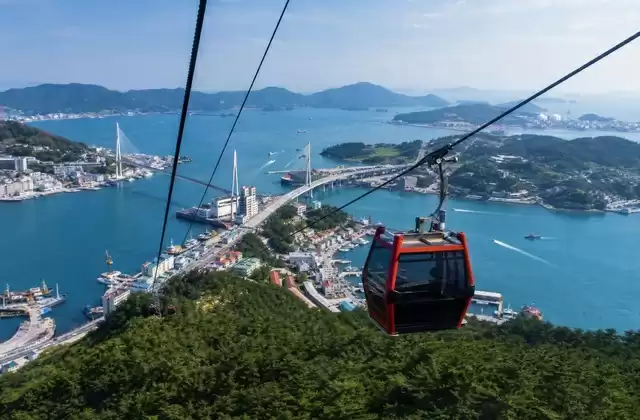
Yeosu
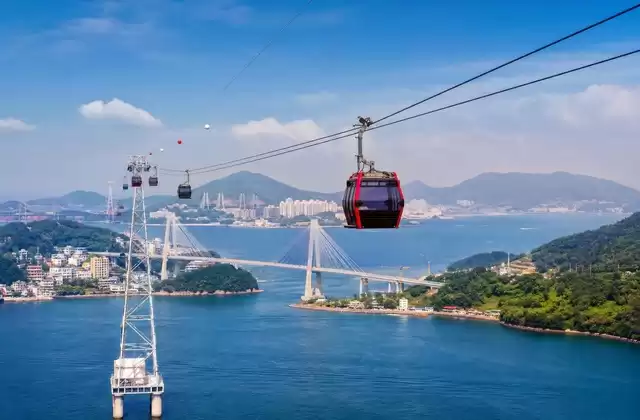
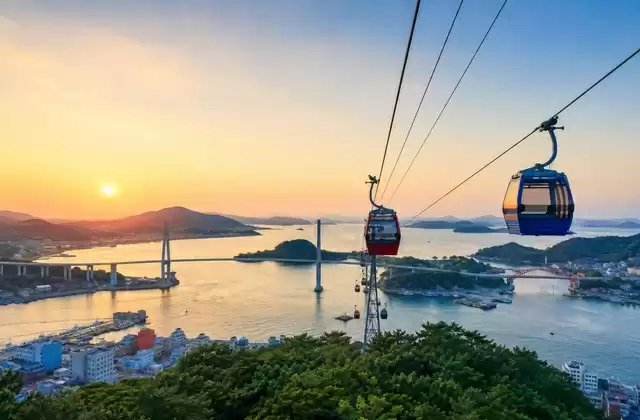
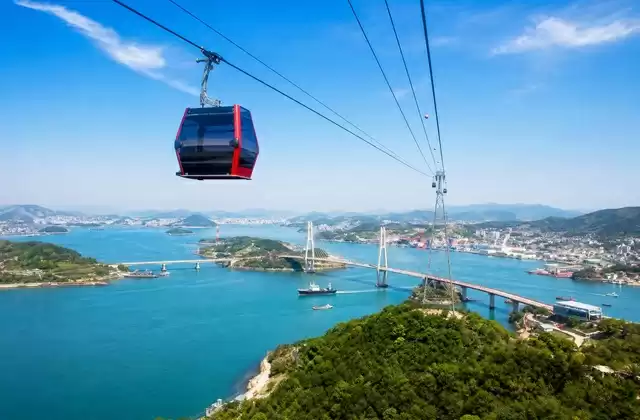
The maritime cable car lets you photograph the bay, bridges and islands in a single frame.

Jeju
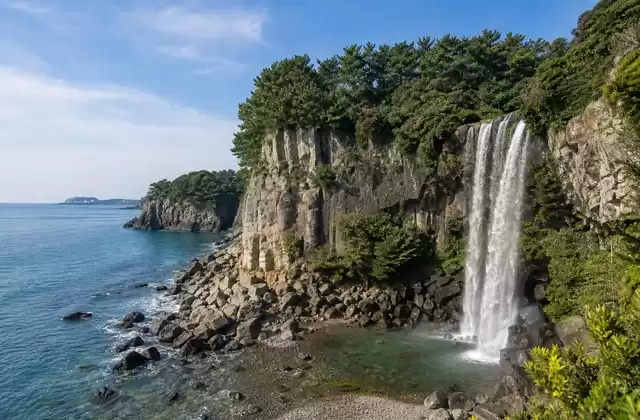
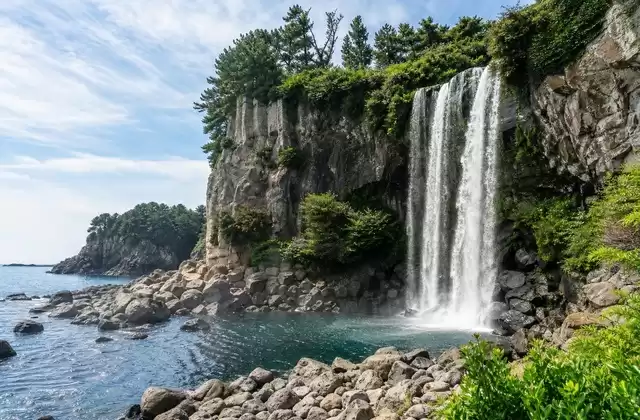
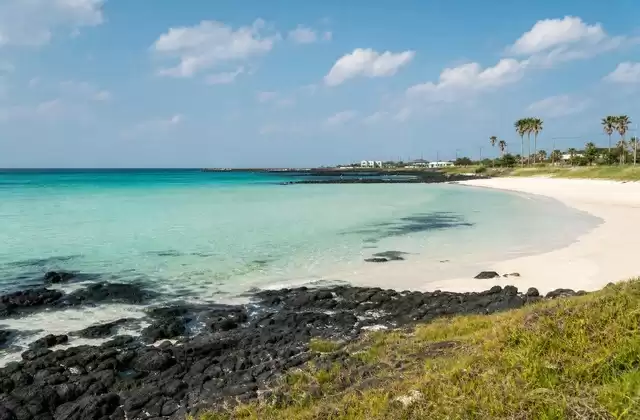
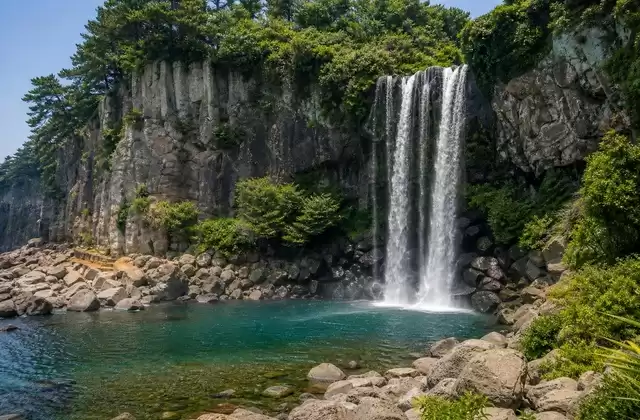
The waterfalls, volcanic cones and beaches give the island an identity very different from the mainland.

Sokcho
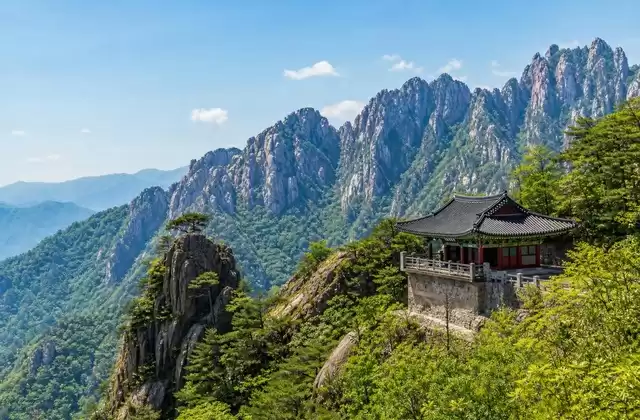
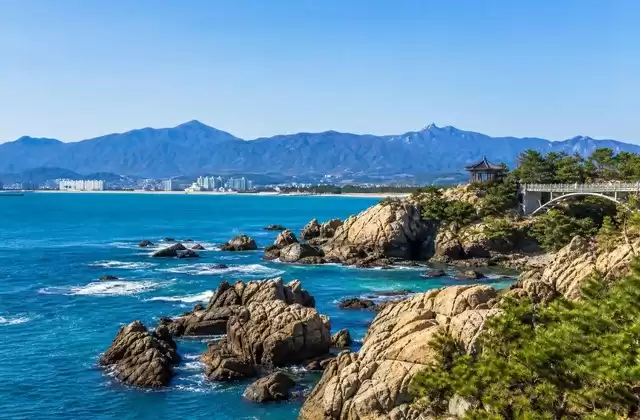
Seoraksan adds a mountain experience to the cruise, offering a welcome break from urban ports of call.

Busan
Haeundae, Gwangalli and coastal viewpoints reveal an urban South Korea that always faces the sea.
Discover Busan through its seaside temple, colorful village and fish market
Busan is often described as the most comprehensive port call for understanding South Korea from the sea. Travelers appreciate the contrast between Haedong Yonggungsa, Gamcheon Culture Village and Jagalchi Market, three very different places that give the day a natural rhythm.
Explore Jeju between volcanoes, waterfalls and coastal landscapes
Jeju appeals to travelers because it adds a refreshing dose of nature to Northeast Asia itineraries. Travelers remember the volcanic terrain, views from Seongsan Ilchulbong, waterfalls near Seogwipo and an island atmosphere that is more relaxed than in Korea's major cities.
Head from Incheon to Seoul, from palaces to markets
The port call in Incheon is often chosen as a gateway to Seoul. Travelers enjoy going from Gyeongbokgung to Bukchon, then experiencing everyday Korean life in markets, food stalls and shopping streets.
Taste Nampo-dong specialties after Jagalchi Market
In Busan, many travelers naturally continue from the fish market to Nampo-dong or BIFF Square. The appeal lies in the easy transition from the port to street stalls, small restaurants and a lively local atmosphere, far from a rigid sightseeing experience.
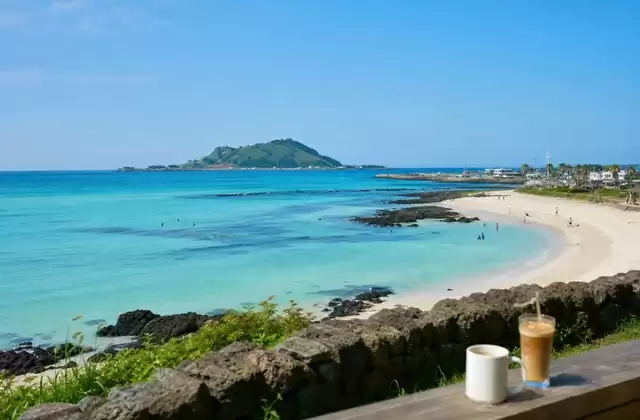
Enjoy a seaside café on Jeju
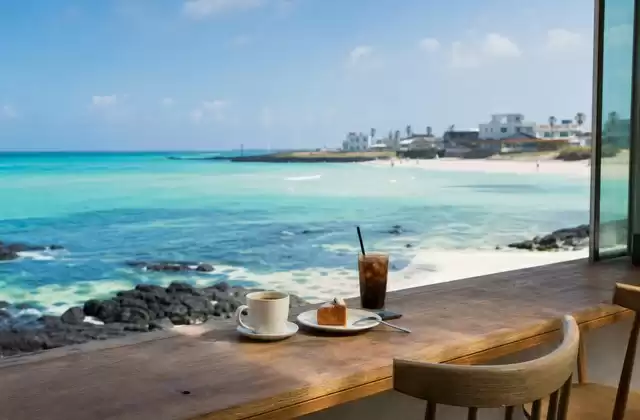
In Jeju, travelers often enjoy beachside breaks as well as large natural sites. Around Hamdeok or Seogwipo, oceanfront cafés offer a relaxing break during the port call, with a view of volcanic rocks, clear beaches or small ports.
Walk through Bukchon's lanes before heading to Insadong
In Seoul, this walk is often praised for its balance of tradition and neighborhood life. Travelers enjoy going from Bukchon's hanok houses to Insadong's galleries, tearooms and shops without losing touch with the modern city.
As the capital of South Korea, Seoul is packed with sights and ancient sites to discover during your stay in this part of the country. The Changdeokgung Palace, or Palace of Virtue, is an outstanding example of Far Eastern architecture and a UNESCO World Heritage Site. You can also enjoy the collections of the National Museum and the Folklore Museum, while the Tnsadong and Apgujeong shopping districts provide an opportunity to bring back souvenirs from your trip.
The Joggesa and Bongeunsa temples are also well worth a visit, where you can enjoy Buddhist teachings. Further north, you can reach the demilitarized zone and discover the reality of relations between South and North Korea. Further east, Seoraksan National Park offers hiking in the heart of one of the country's most beautiful natural sites. In the center of the country, you'll find Buyeo, the last capital of the Baekje kingdom, and the charming town of Daejon.
In the south, the landscape is wilder, as evidenced by Jeju. Located off the south-eastern coast of South Korea, this volcanic island is known for the world's finest network of lava tunnels, which has been declared a UNESCO World Heritage Site. Beautiful beaches are also available for enjoying the sea and marine wildlife. The south of the country is also home to Busan, South Korea's first port and second-largest city. It is famous among foreign visitors for its exotic fish market, as well as for its various rock, port, sea and film festivals. Further west, there are a number of museums with a variety of themes to learn more about Korean culture, including the Tamyang Bamboo Museum, the Gwangju National Museum and the Ganjin Celadon Museum. In Baseong, you can explore the green tea plantations for which the country has been famous for decades.
South Korea has four distinct seasons: summer, characterized by the hot, humid monsoon; winter, very cold in the mountains between November and March; and autumn and spring, two pleasant, sunny seasons with fairly mild temperatures. In the hottest season, temperatures soar to between 30 and 35°C, and rainfall is very heavy, especially on the east coast, which receives the most rain. The country is regularly hit by typhoons between June and August. One of the most pleasant times to visit South Korea is between mid-September and mid-October, with mild, dry weather and temperatures averaging around 15°C.