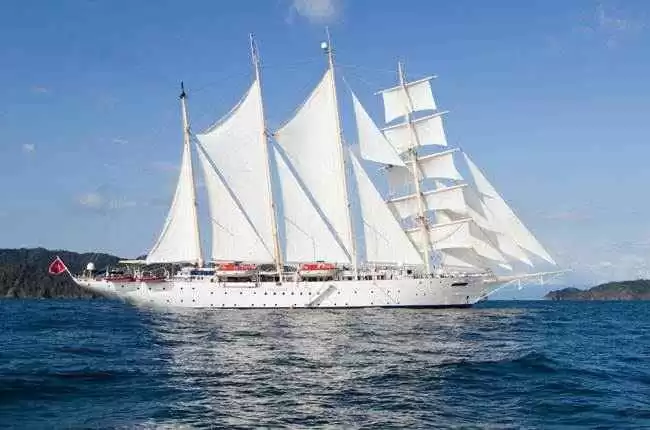
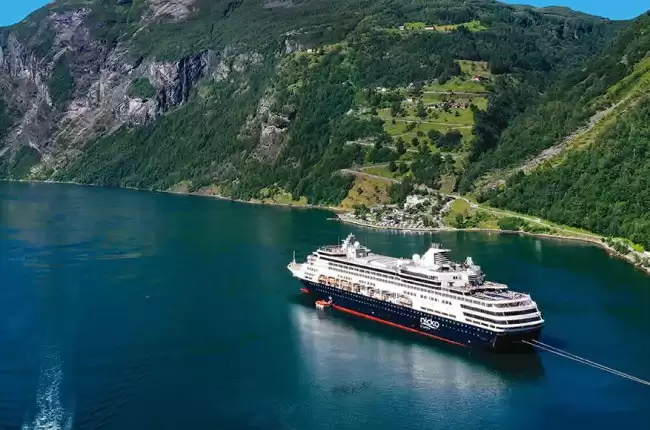
Itinerary : Puerta Caldera, Isla de tortuga, Quepos, Golfito, Gulf of Chiriquí Marine Park (Panama), Isla Iguana, Pearl Islands, Balboa


Star Clipper
8 d
Inside Stateroom
Puerta Caldera
01/09/2027
from
4 033 $CA

1 cruises found
A cruise to Panama is about much more than passing through the canal, even though that remains one of the journey’s most impressive moments. The country also reveals itself through Panama City and its Casco Antiguo, Portobelo’s Caribbean forts, Gamboa’s tropical rainforest, and the quieter Bocas del Toro archipelago.
Within a single destination, you can move from an engineering marvel to a skyscraper-lined bay, and from a jungle-covered lake to Caribbean villages built over the water. It is a port of call defined by contrasts, blending history, nature, cruising, and a tropical atmosphere.
Your search criteria:
Panama
Itinerary : Puerta Caldera, Isla de tortuga, Quepos, Golfito, Gulf of Chiriquí Marine Park (Panama), Isla Iguana, Pearl Islands, Balboa


Star Clipper
8 d
Inside Stateroom
Puerta Caldera
01/09/2027
from
4 033 $CA
| Season | Weather & swimming | Expert advice |
|---|---|---|
January to March | A wider range of cruises and favorable conditions. Full and partial transit itineraries are plentiful, and the ports have a more international atmosphere. | Ideal for travelers who want the widest choice of cruise lines and itineraries. Fares and demand may be higher. |
April & December | The most comfortable period. The weather is generally drier, sightseeing is easier, and views of the canal, the city, and historic sites are often better. | This is the best window for a first cruise in Panama, especially if you want to combine the canal, Panama City, Gamboa, and the Caribbean side. |
May–July Greener, more tropical, and more variable. Showers become more frequent, but the landscapes around Gamboa and Lake Gatún grow even more vivid. This can be a good choice if the itinerary appeals to you and you are comfortable with more changeable weather. Plan flexible excursions. | ||
August to November Hot, humid, and less predictable. Rain is more frequent, skies can be overcast, and some nature or boat outings may be adjusted. A less-than-ideal period for a first visit. It can still appeal to flexible travelers, but sightseeing conditions are more variable. | ||
Panama is best understood from several angles: the canal, the city, the jungle, the Caribbean forts, and the archipelagos. This combination is what gives the destination its distinctive appeal as a cruise destination.

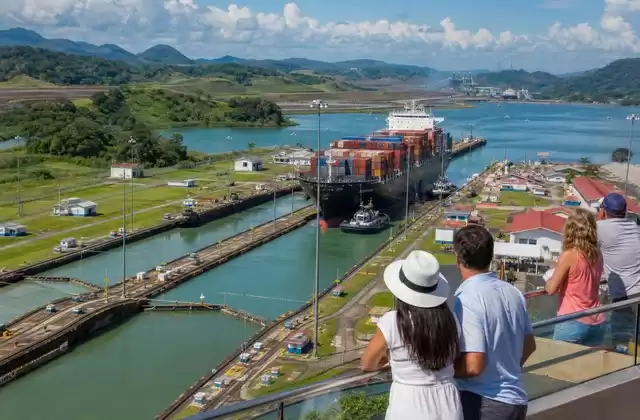
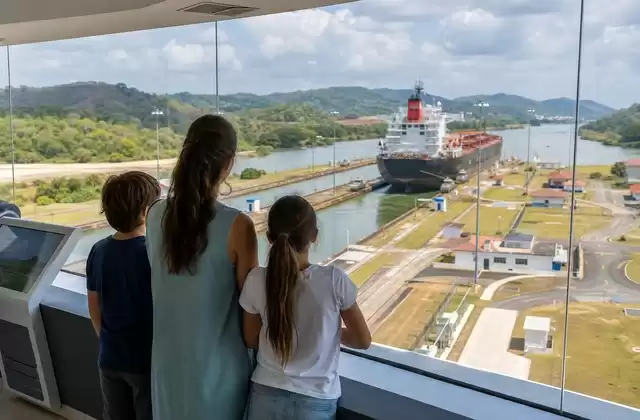
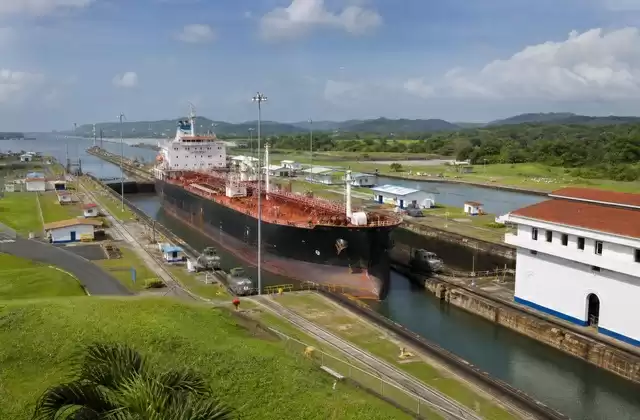
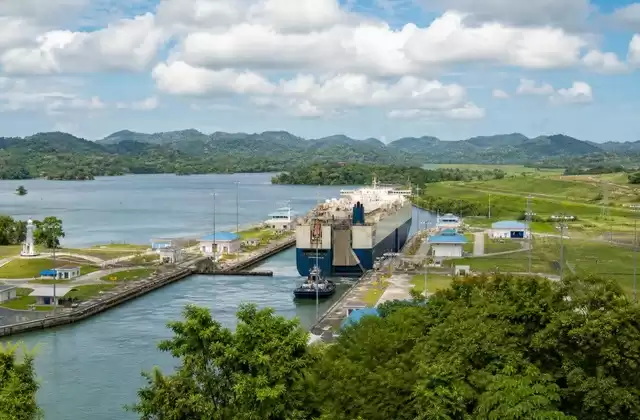
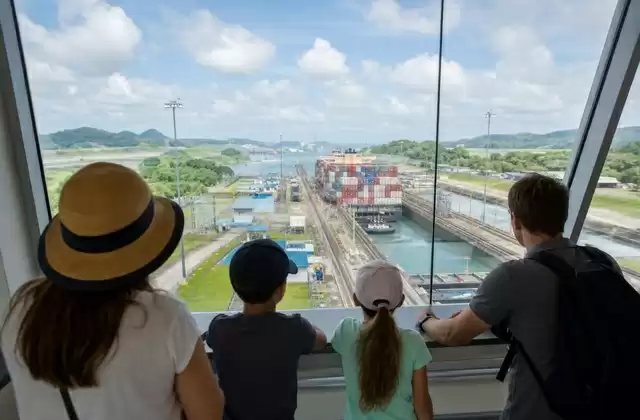
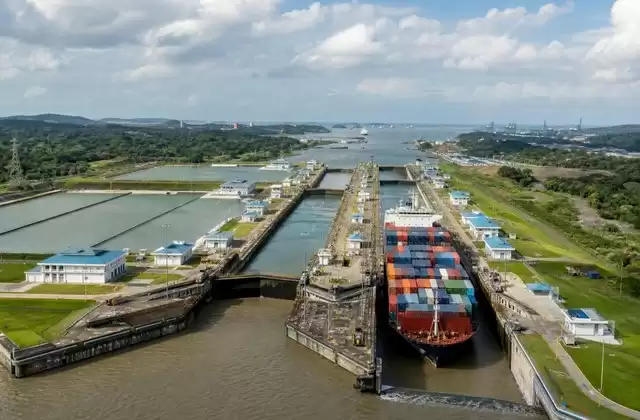
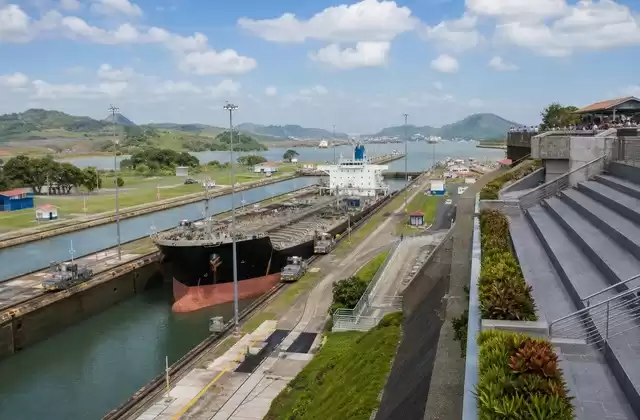
At Miraflores
From the terraces you can clearly watch ships rise or descend in the lock chambers.

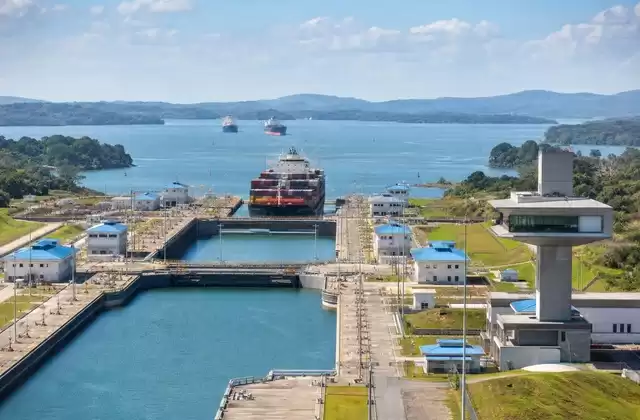
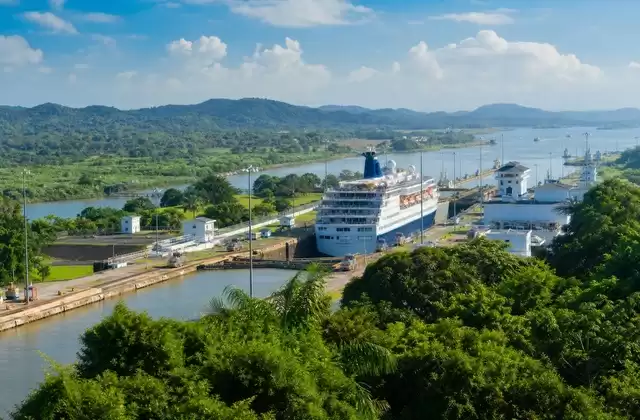
At Agua Clara
The Atlantic-side viewpoint overlooks the new locks, Lake Gatún, and large ships.

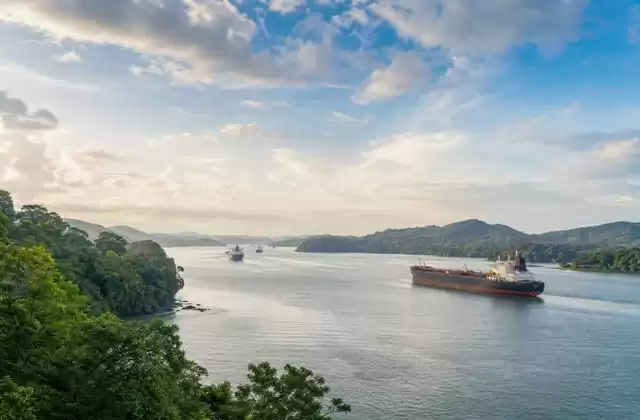
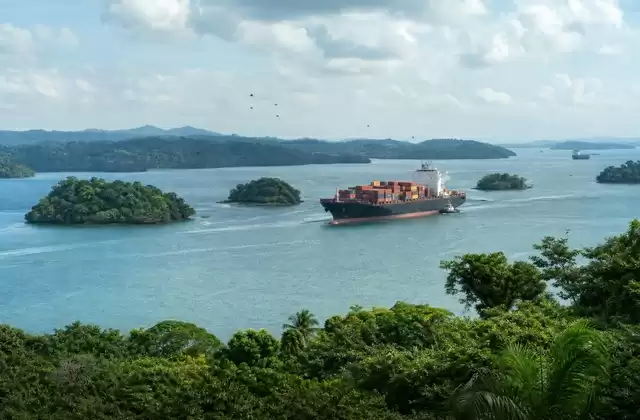
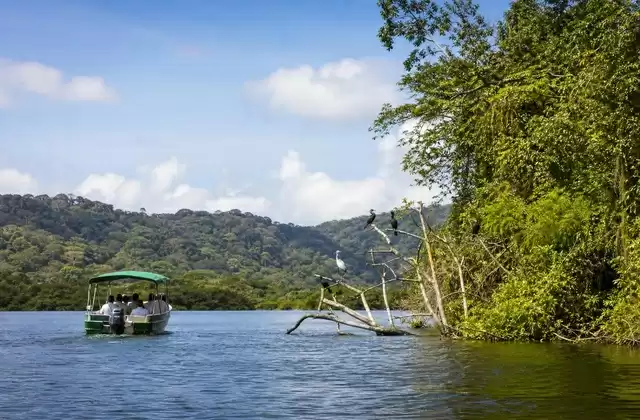
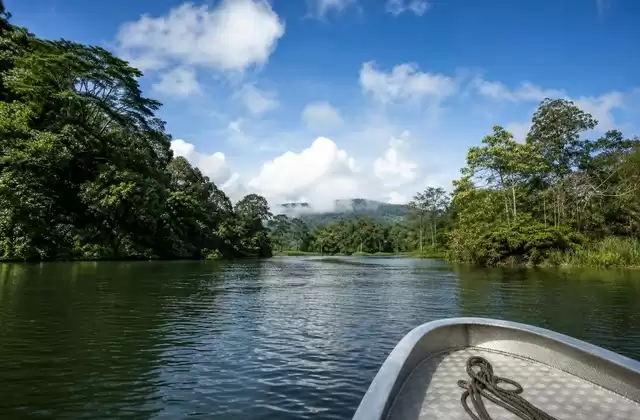
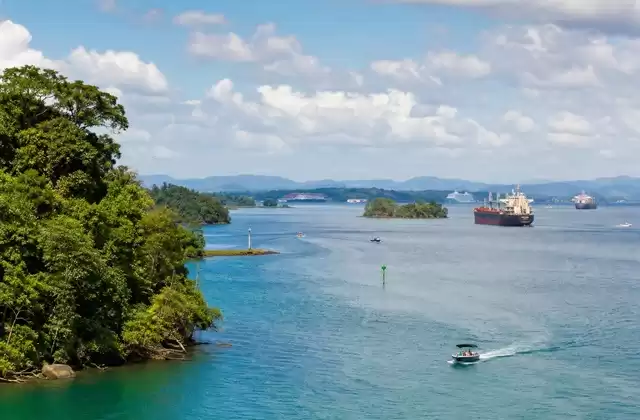
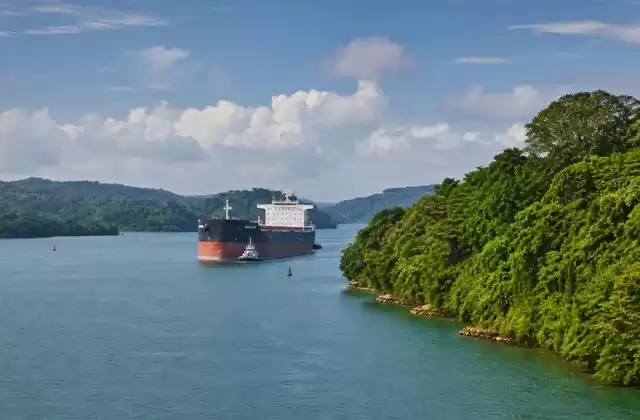
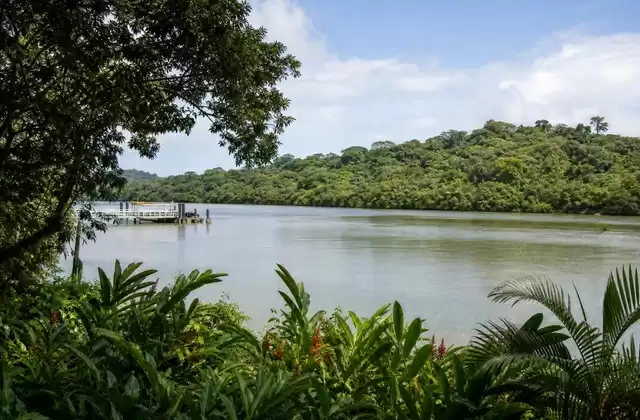
On Lake Gatún
This stretch of the canal is especially scenic, with calm waters, jungle, and maritime traffic.

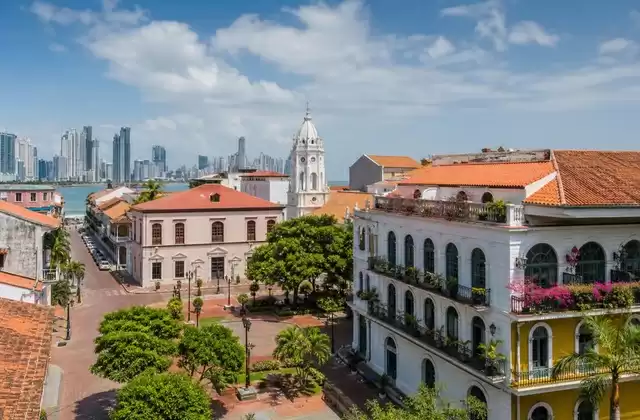
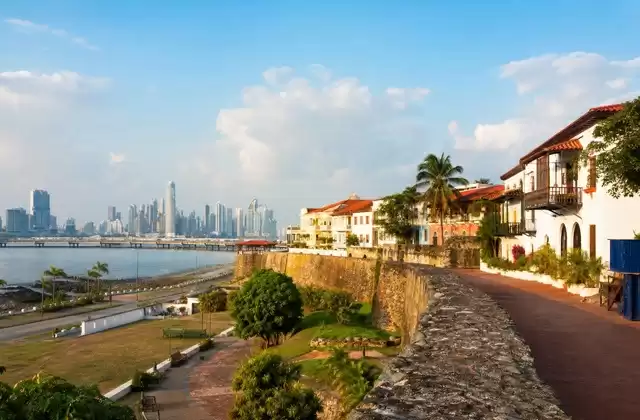
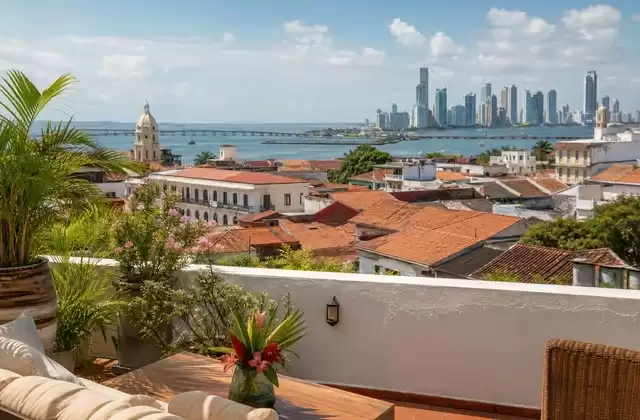
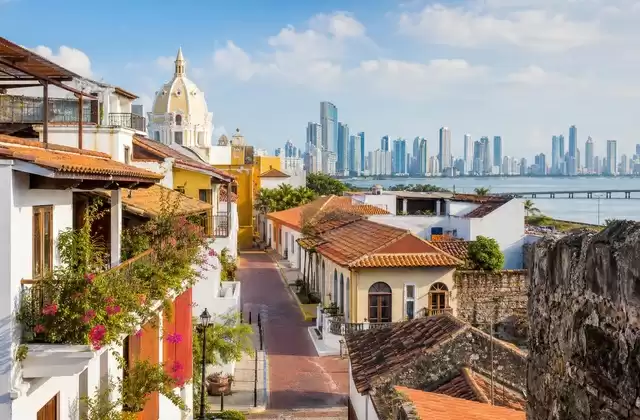
In Casco Antiguo
The restored streets, squares, churches, and skyline views create a striking contrast.

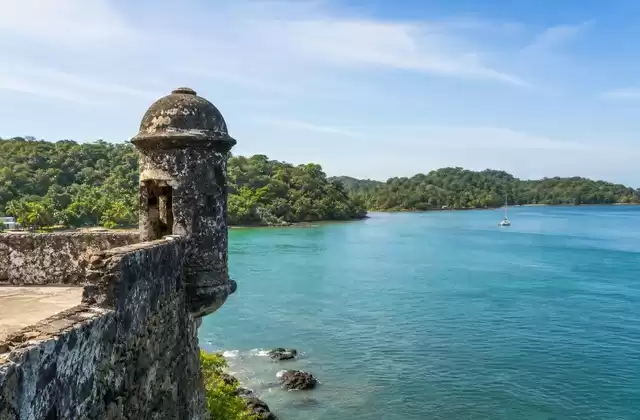
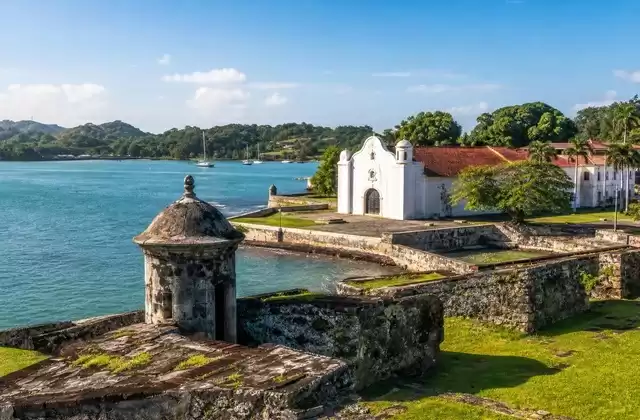
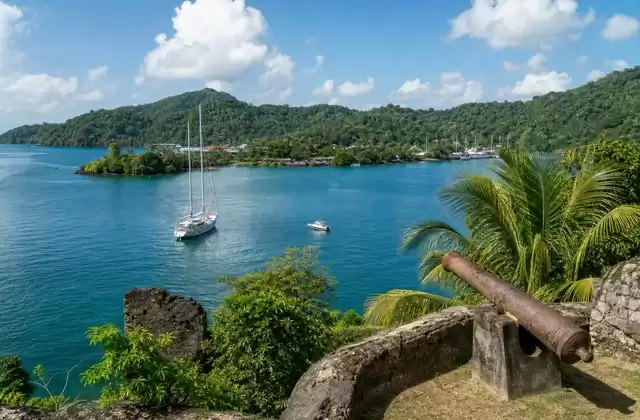
In Portobelo
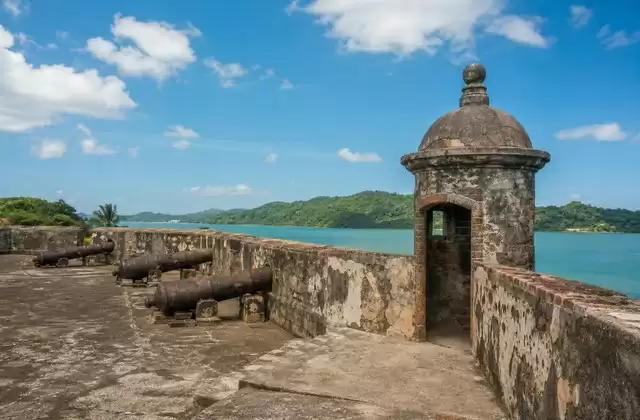
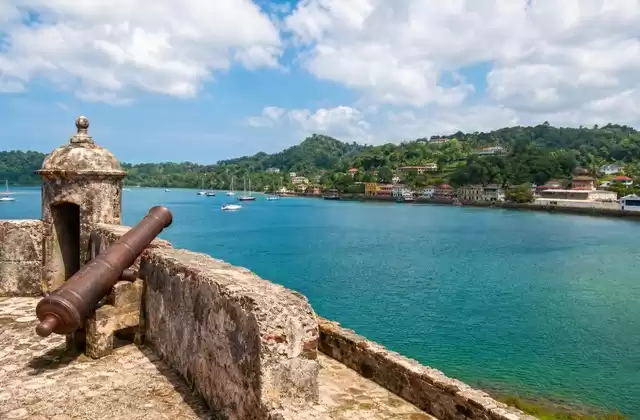
The Spanish forts and the Church of the Black Christ tell the story of Panama’s Caribbean coast.

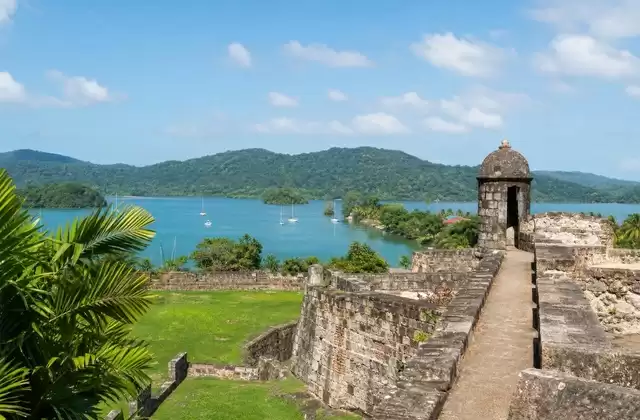
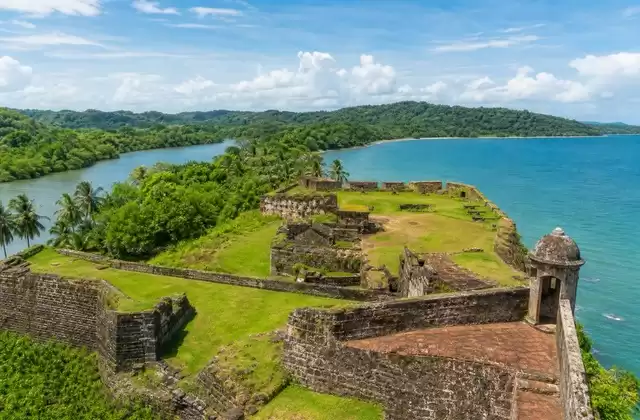
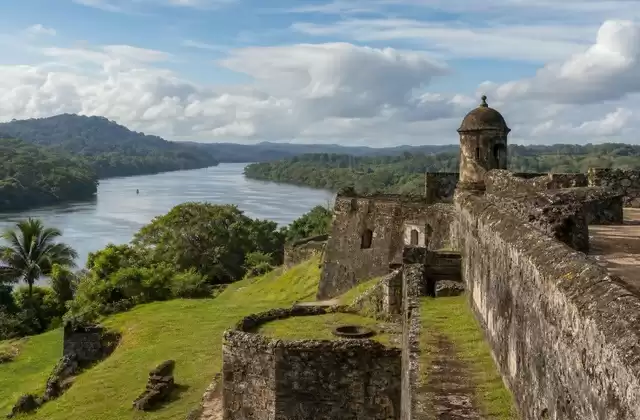
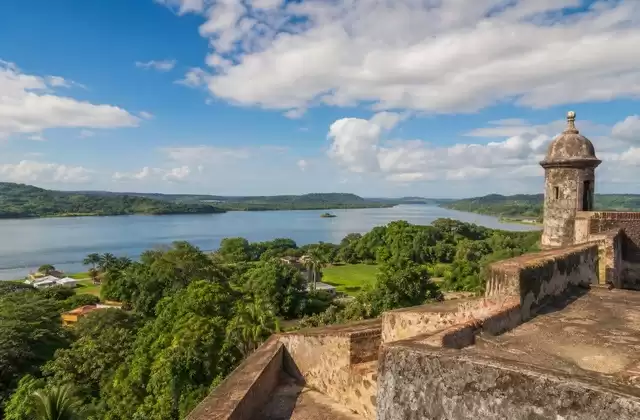
In Fort San Lorenzo
The ruins overlook the Chagres River and highlight the strategic importance of the isthmus before the modern canal.

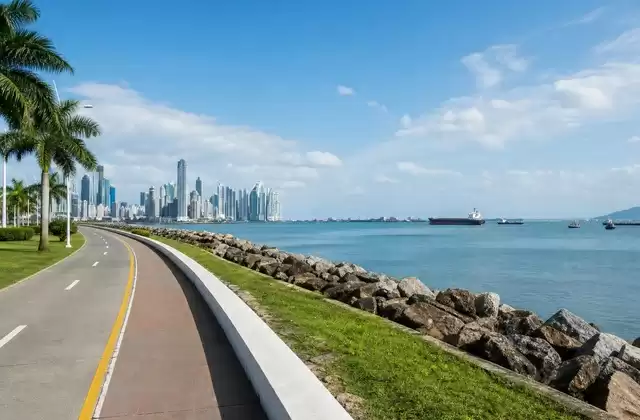
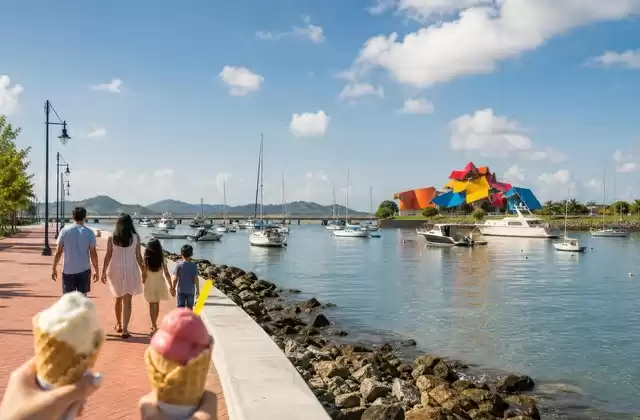
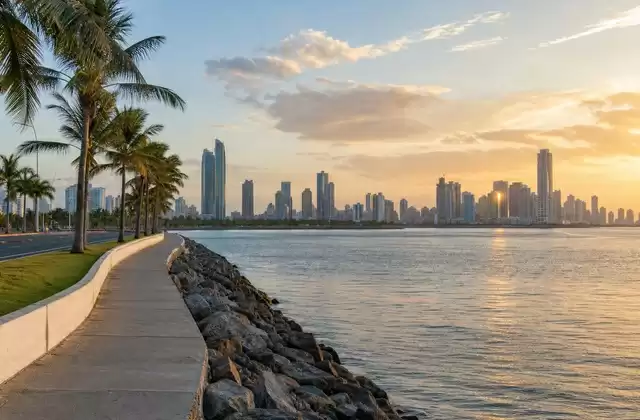
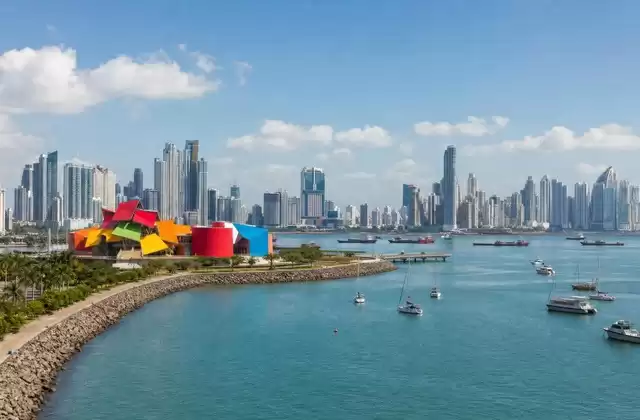
From the Amador Causeway
Views of the bay, ships at anchor, the Biomuseo, and the skyline offer an appealing perspective on Panama City.

From the Agua Clara viewpoints
The ships, locks, and forest all come together in a single view.

From Fort San Lorenzo
The Chagres River, the sea, and the fortress walls create one of the country’s finest historic vistas.

In Gamboa
Boat trips on the Chagres River or Lake Gatún offer opportunities to spot monkeys and birds along forested shores.

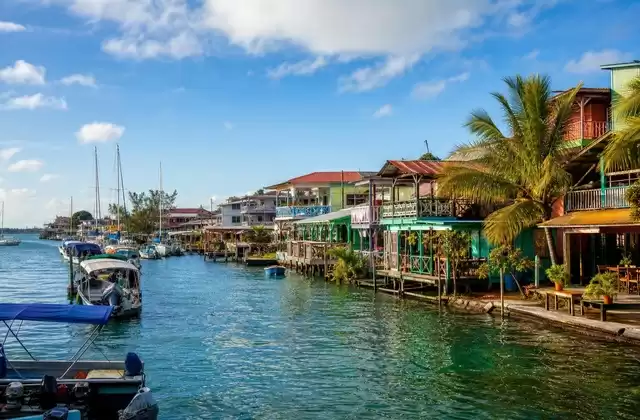
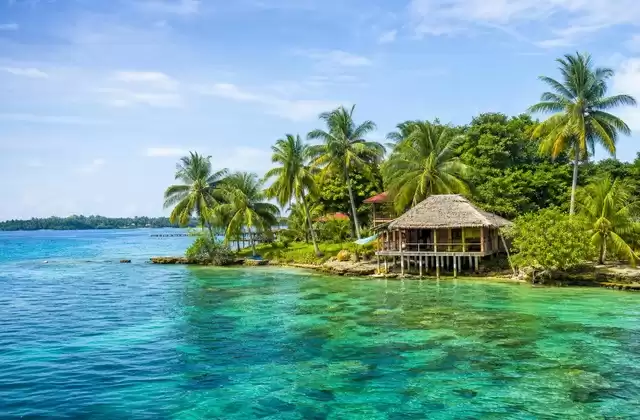
In Bocas del Toro
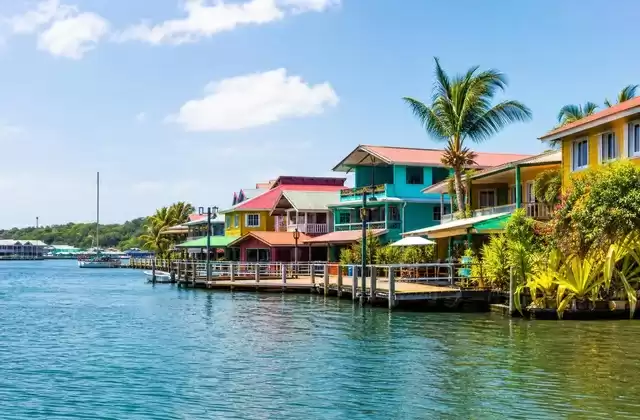
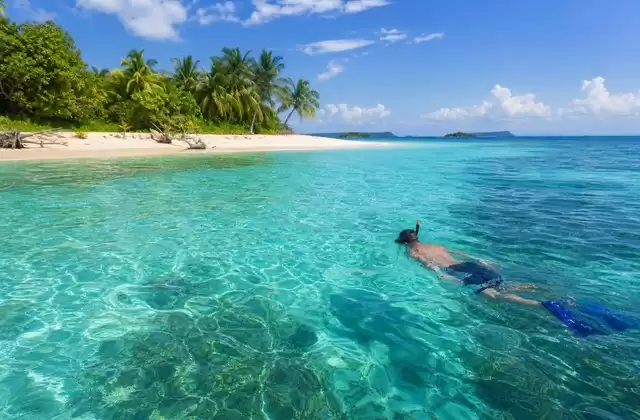
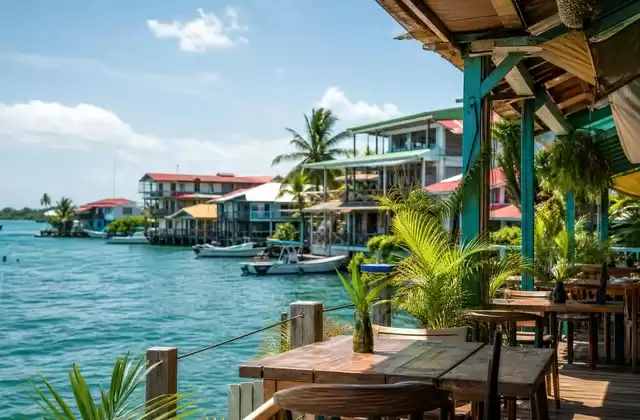
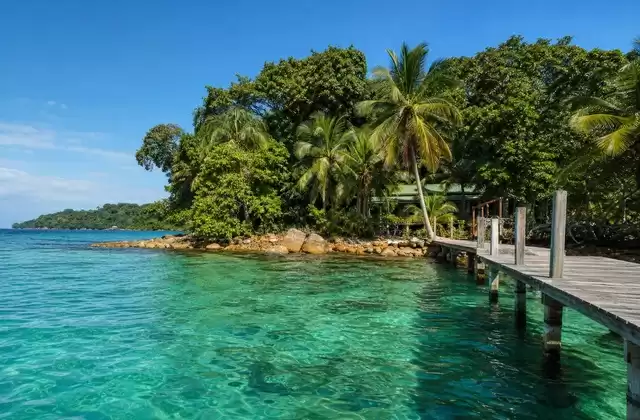
The beaches, mangroves, and stilt houses reveal Panama’s more laid-back island side.

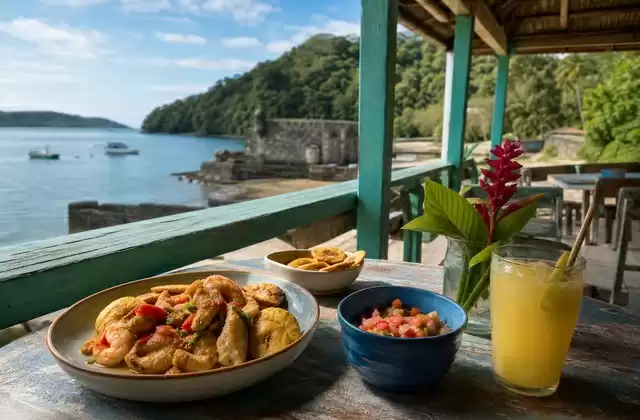
Around Portobelo
The bays, villages, and Afro-Caribbean cuisine round out the port call’s historical appeal.
Watch the ship pass through the canal locks
Passing through the locks remains the most anticipated moment of a cruise in Panama. Travelers remember the slow transit, the change in water level, the walls close to the ship, and the tangible sense of crossing a one-of-a-kind feat of engineering.
Go from Casco Antiguo to the Panama City skyline
Panama City’s contrasts unfold in quick succession. In a matter of hours, travelers go from the colonial balconies, squares, and churches of Casco Antiguo to the modern towers along the bay, with ships and the canal entrance in the background.
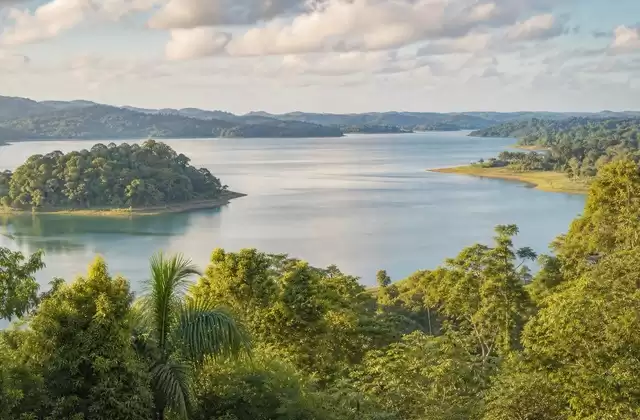
Explore Gamboa amid the rainforest, the Chagres River, and Lake Gatún
Gamboa shows that Panama is about more than its canal. Travelers enjoy seeing large ships in the distance while getting closer to the rainforest, forested shores, birds, and sometimes monkeys around the Chagres River or Lake Gatún.
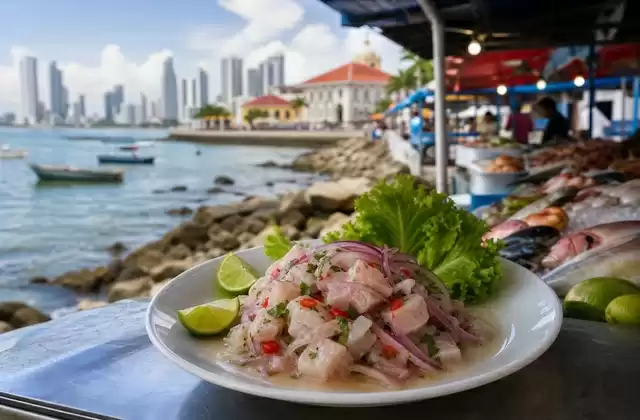
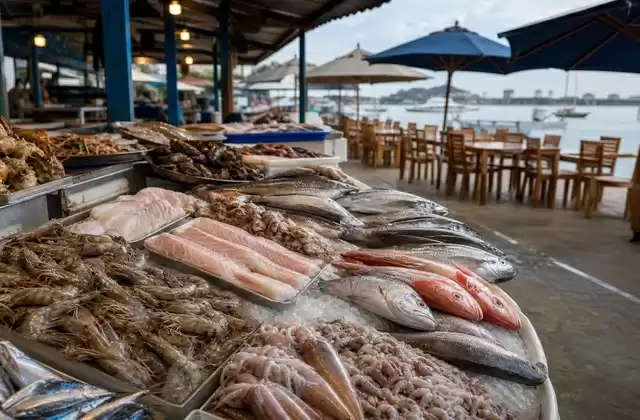
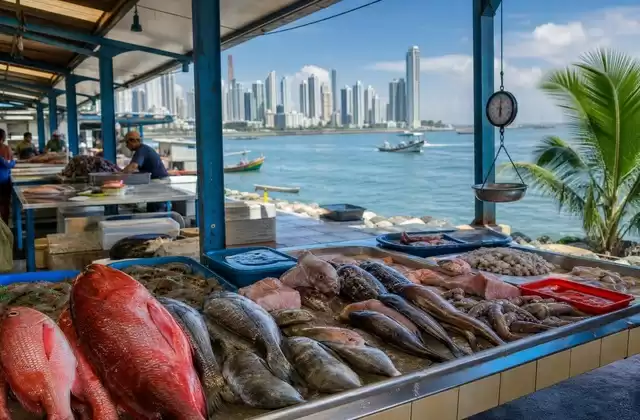
Taste ceviche at Panama City’s fish market
Near Casco Antiguo, the fish market offers a casual, distinctly local break. Travelers appreciate the fresh ceviche, the port’s lively everyday atmosphere, and the opportunity to combine a visit to the old town with the nearby bay.
Head to Portobelo for a taste of Caribbean Panama
Portobelo offers a quieter, more historical port call than Colón. Travelers discover fort ruins, the Church of the Black Christ, the bay, colorful houses, and an Afro-Caribbean atmosphere that provides a welcome counterpoint to the canal’s engineering story.
Sail among the islands of Bocas del Toro when the itinerary allows
Bocas del Toro reveals another side of Panama, one that is slower and more island-oriented. Travelers love the stilt houses, small boats, beaches, mangroves, and Caribbean atmosphere that contrast sharply with Panama City and the canal.
Panama City, the country's capital, is astonishingly modern. Like the Manhattan of Latin America, the city is divided into three distinct zones: the modern skyscraper district, Panama Antigua, and Casco Antiguo. Panama Antigua reveals to tourists the ruins of the original city, burnt to the ground and destroyed by the pirate Henry Morgan in 1621. Casco Antiguo is a colonial district, rich in history and heritage. Here you'll find the presidential palace and numerous churches. The entire area has been declared a UNESCO World Heritage Site.
Near the capital, you'll discover the famous Panama Canal, where you can still admire the deepening work. Even today, this impressive architectural work is considered one of the eight man-made wonders of the world. You can then head off into the rainforest, or discover Monkey Island, with its wildlife including monkeys, birds and iguanas.
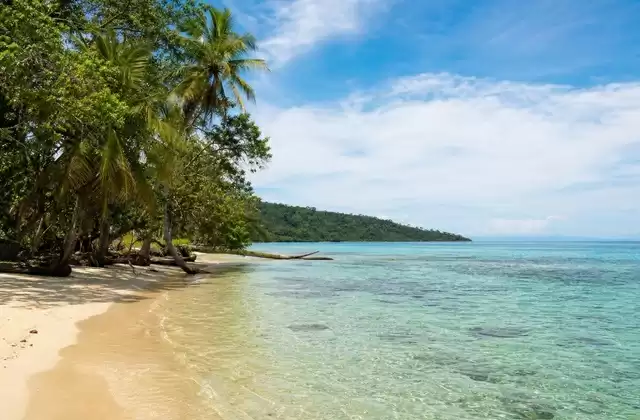
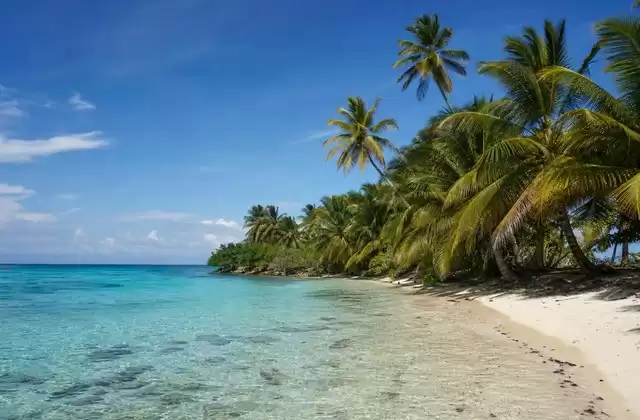
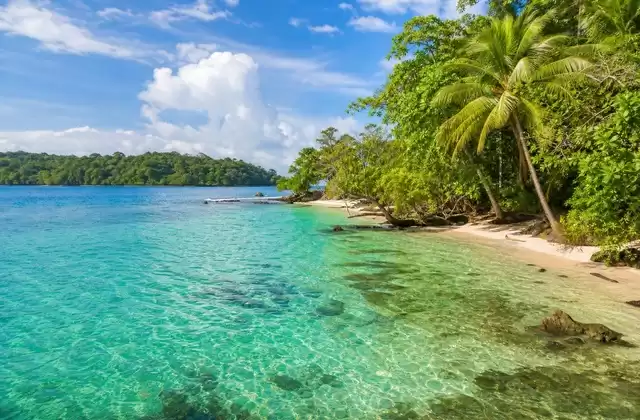
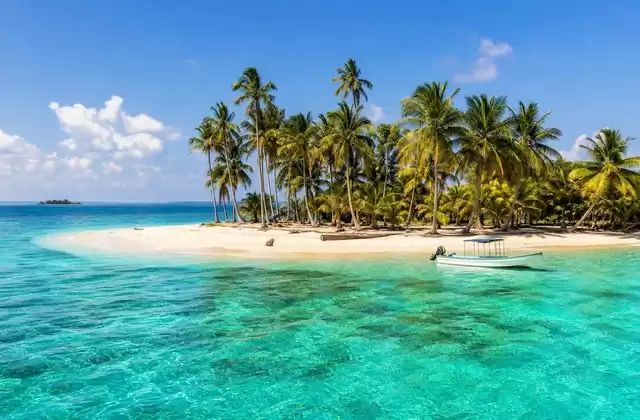
On the Caribbean coast, off the coast of Panama, the Bacos del Toro archipelago reveals its natural charms. It comprises several islands, including Isla Colon, named after the country's discoverer. A small paradise, it offers surfing, scuba diving and dolphin watching off the coast. Also located in the Caribbean Sea, the San Blas archipelago boasts no fewer than 365 islands. Some of them are populated, offering you the chance to immerse yourself in the indigenous culture and kitesurf in clear, turquoise waters. Surf spots are also available on the Azuero peninsula, not far from the village of Las Tablos, famous for its traditional carnival. On the Pacific coast, the Panamanian Riviera has nothing to envy its French counterpart. Just an hour from the capital, you'll find luxury hotels, white sandy beaches and casinos for your entertainment. As you head further inland, don't miss Baguete, a picturesque town known for its coffee culture, or El Valle de Anton. Here, you'll discover the world's second-largest crater, as well as a rich and well-preserved biodiversity. Here, you can see orchids in the wild, as well as the famous golden frog.
Panama enjoys a tropical climate, with temperatures ranging from 24 to 29°C all year round. The country's tourist season extends from mid-December to around mid-April, during the dry season. The wetter rainy season runs from May to November. While the weather in Panama is less favorable during this period, it's also a very important time in terms of flora and fauna, as you can witness the migration of humpback whales and the laying of sea turtles.