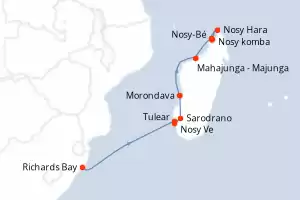
Itinerary : Richards Bay, Tulear, Nosy ve, Sarodrano, Morondava, Majunga, Nosy komba, Nosy Hara, Nosy-be


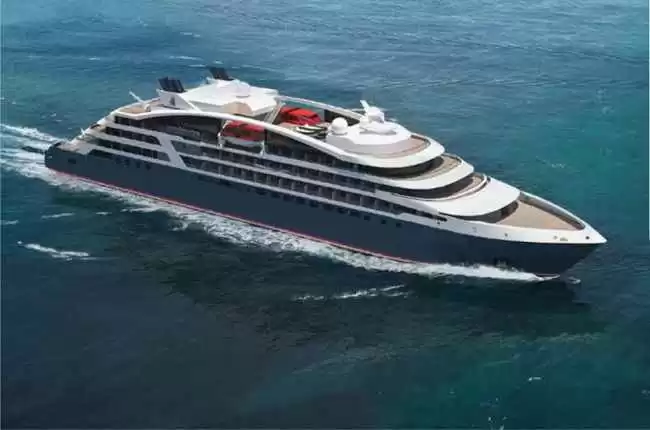
Le Dumont d Urville
12 d
Balcony Stateroom
Richards Bay
12/27/2027
from
14 837 $CA

3 cruises found
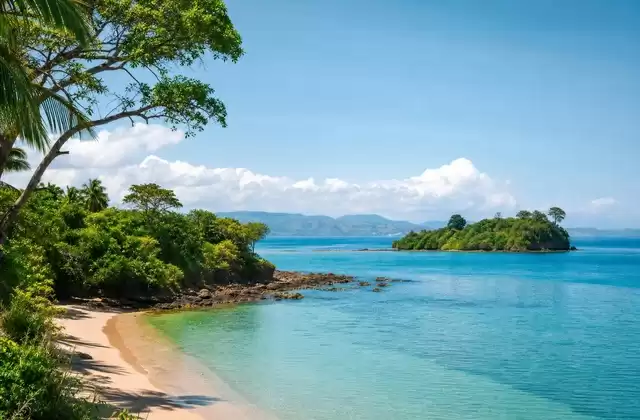
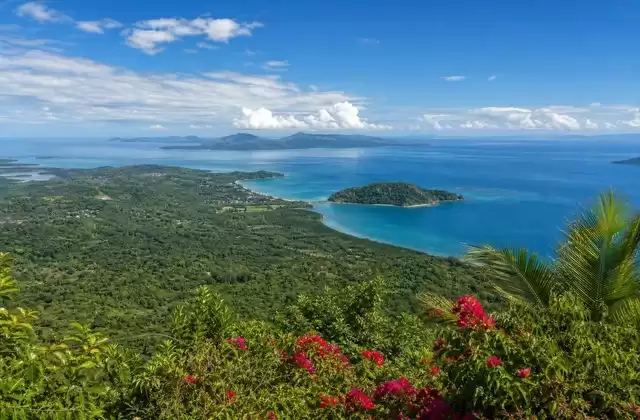
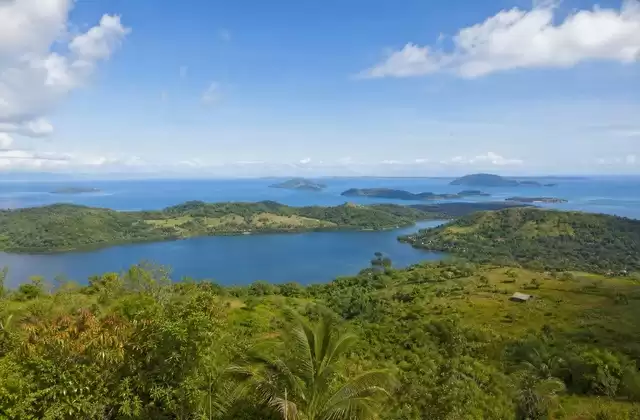
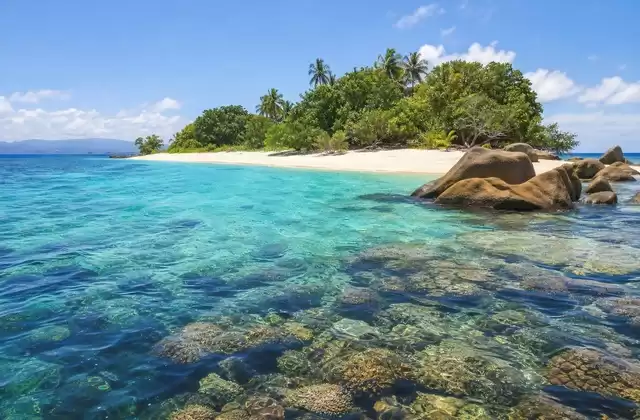
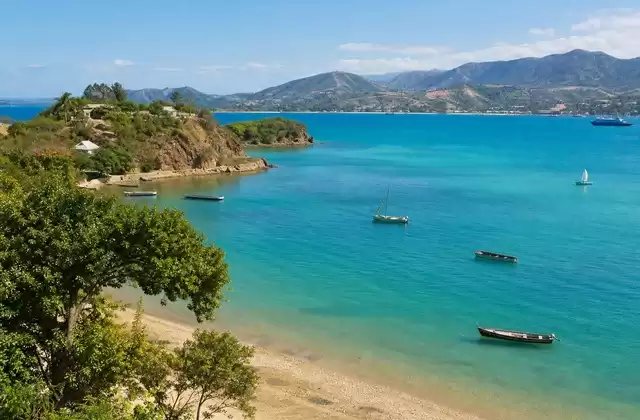
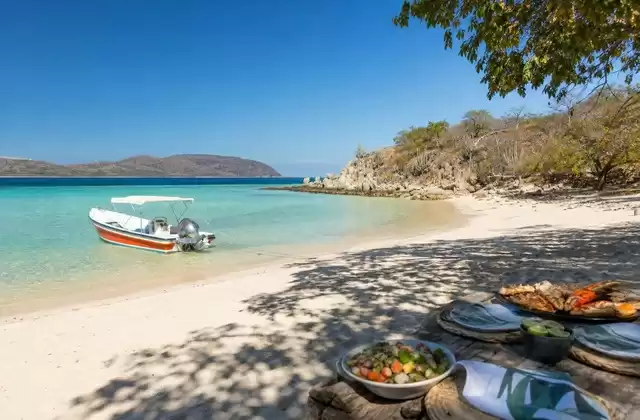
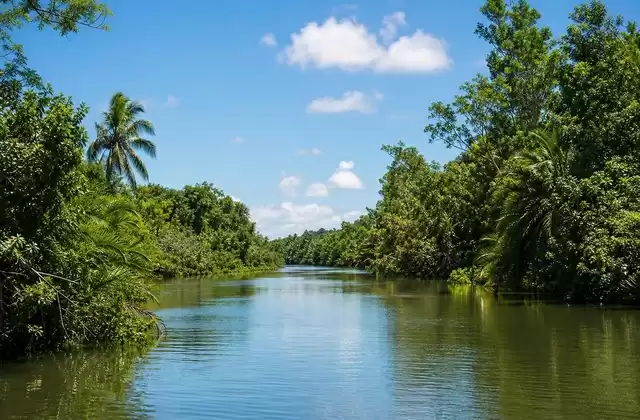
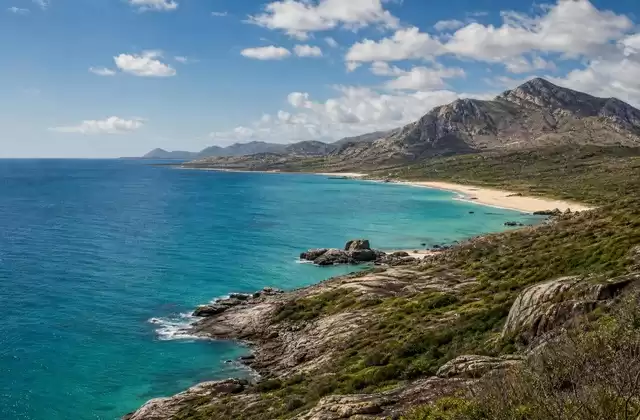
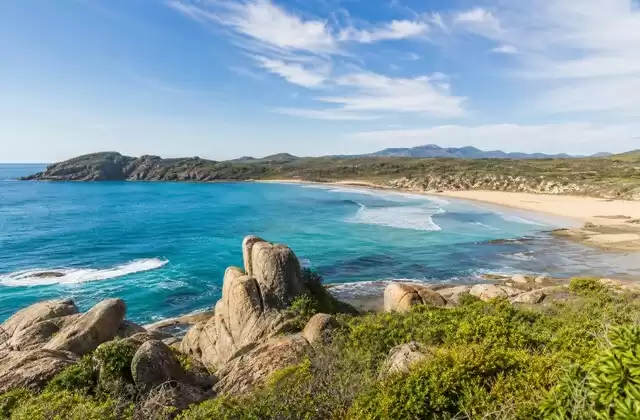
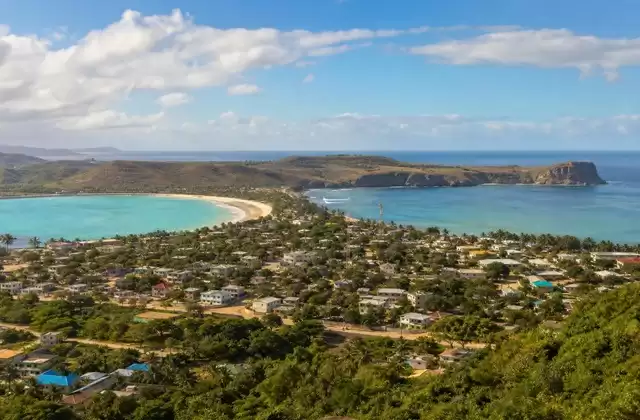
A Madagascar cruise feels like approaching an island unlike any other, where every port call brings a new atmosphere within the same country: the clear waters of Nosy Be, the spectacular bays of Antsiranana, the markets of Toamasina and the wilder landscapes of the south.
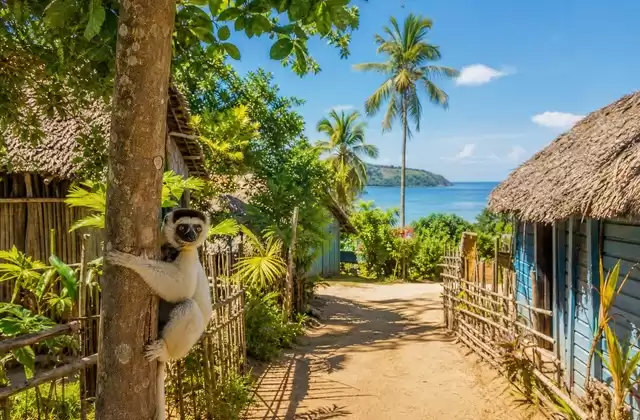
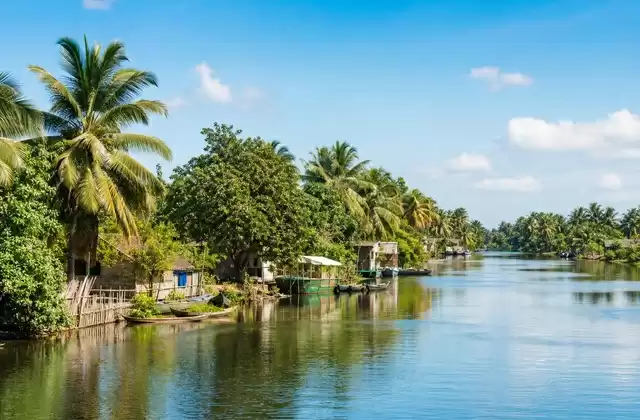
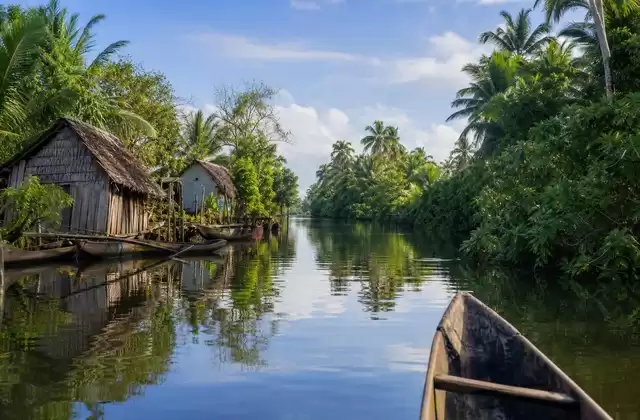
The journey blends beaches, tropical forests, lemurs, coastal villages, the scent of ylang-ylang, exotic fruit and red roads bordered by vegetation.
The destination is shaped as much by nature as by simple encounters in port, creating a genuine change of scenery without reducing the cruise to a tropical beach postcard.
Your search criteria:
Madagascar
Itinerary : Richards Bay, Tulear, Nosy ve, Sarodrano, Morondava, Majunga, Nosy komba, Nosy Hara, Nosy-be


Le Dumont d Urville
12 d
Balcony Stateroom
Richards Bay
12/27/2027
from
14 837 $CA
Itinerary : Nosy-be, Nosy Hara, Nosy komba, Nosy Tanikely, Majunga, Morondava, Tulear, Richards Bay, Durban


Le Dumont d Urville
12 d
Balcony Stateroom
Nosy-be
02/20/2028
from
16 264 $CA
Itinerary : Durban, Richards Bay, Tulear, Morondava, Majunga, Nosy komba, Nosy Hara, Nosy-be


Le Dumont d Urville
12 d
Balcony Stateroom
Durban
12/17/2026
from
18 554 $CA
| Season | Weather & swimming | Expert advice |
|---|---|---|
May–June (start of the dry season) | Temperatures are milder and landscapes remain green. Rainfall decreases, the heat becomes less intense and nature excursions are often enjoyable. | A very good time for a first Madagascar cruise, especially if you want to avoid the hottest weather and enjoy easier excursions. |
July–September (dry season) More settled weather brings good sightseeing conditions. Days are often more enjoyable for boat trips, viewpoints, beaches and parks. An excellent time for Nosy Be, Antsiranana and nature-focused ports of call. Depending on the itinerary, some areas may also offer whale-watching opportunities. | ||
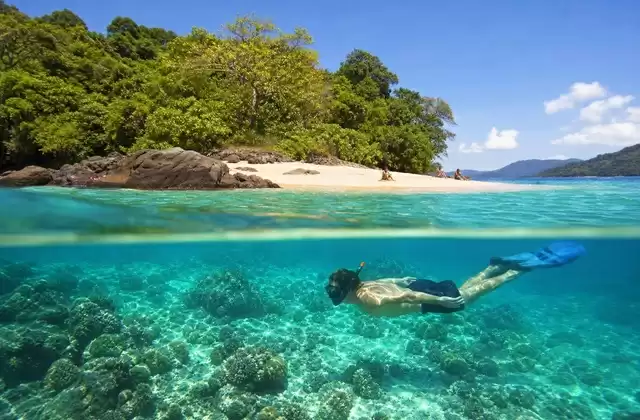
October–November (end of the dry season) | Warmer weather is ideal for marine activities. The sea is often pleasant, the scenery is bathed in light and snorkeling excursions can be especially rewarding. | A good choice for travelers who want to focus on islets, beaches and marine life while weather conditions remain generally favorable. |
December–March (rainy season) | Hot, humid and more changeable. Rain can be heavy, some roads become difficult and cyclone risk affects several coastal areas. | A less favorable time for a cruise centered on Madagascar. If an itinerary is available, keep plans flexible and check port conditions. |
In Madagascar, hotspots are not limited to beaches. The most memorable ports of call often combine coastal scenery, an encounter with biodiversity and a glimpse of local life.

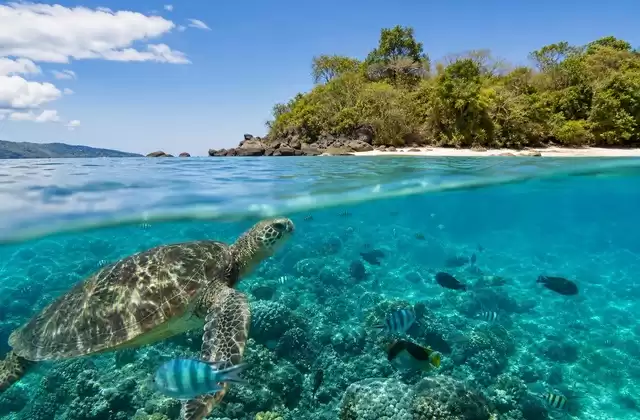
On Nosy Tanikely
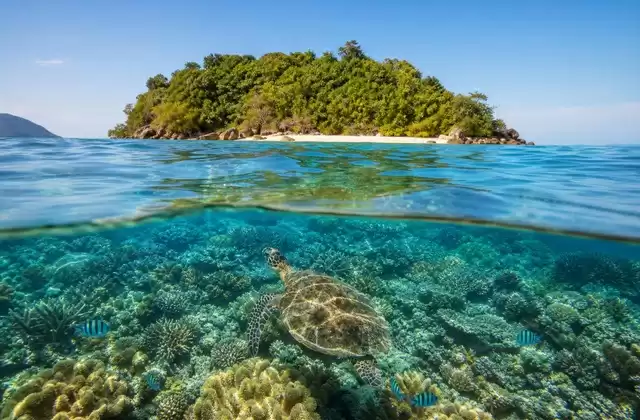
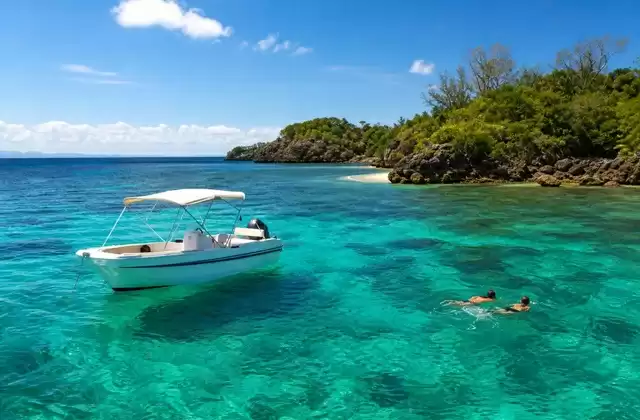
The underwater scenery, turtles and tropical fish make this one of the most popular excursions around Nosy Be.

On Nosy Komba
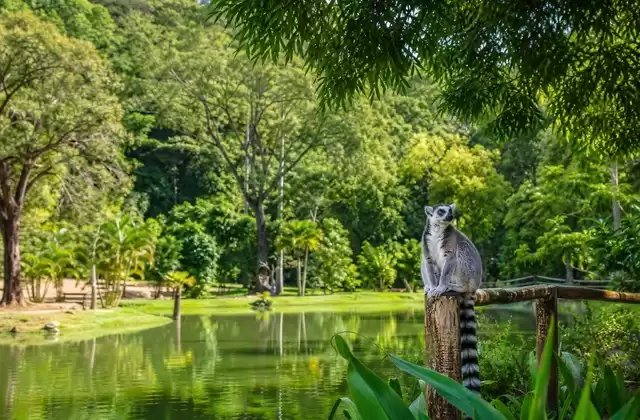
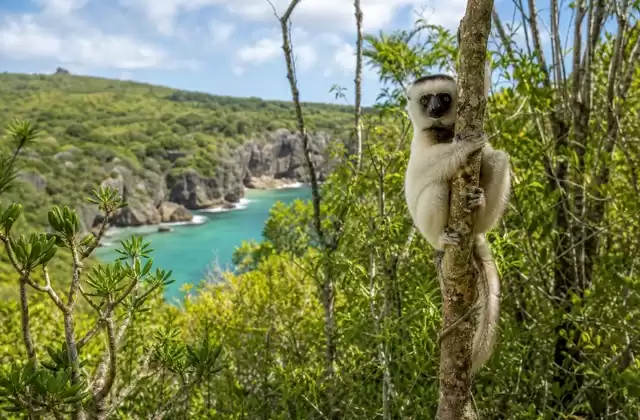
The island combines a village, crafts and lemurs with a quieter atmosphere than the busiest beaches.

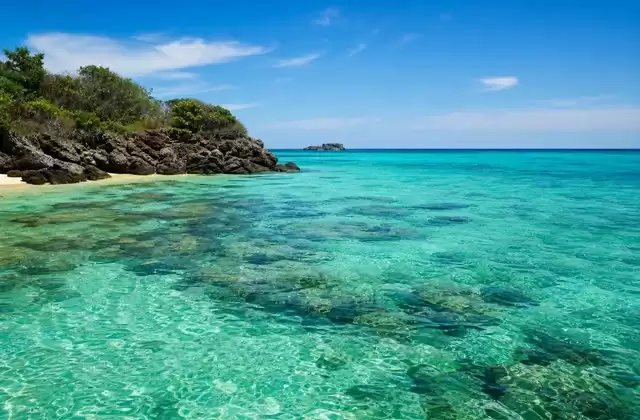
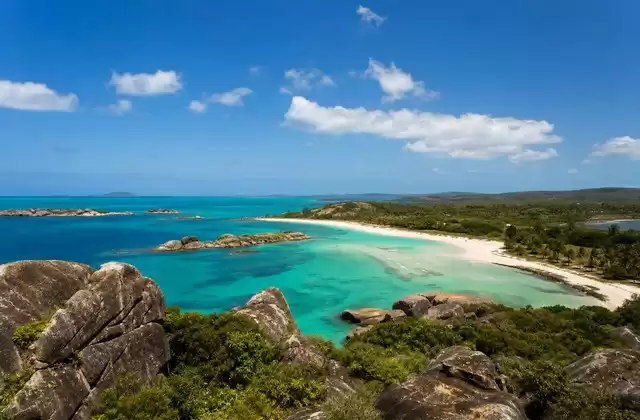
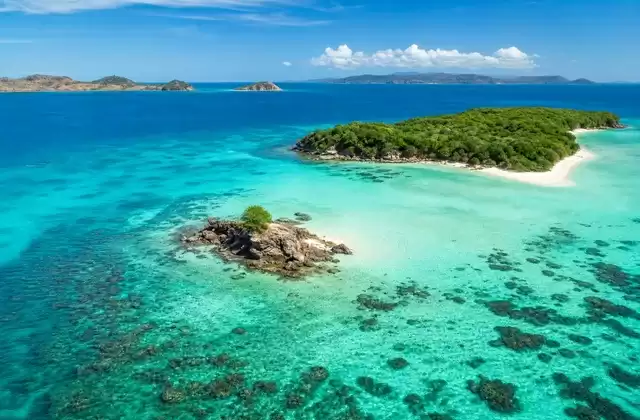
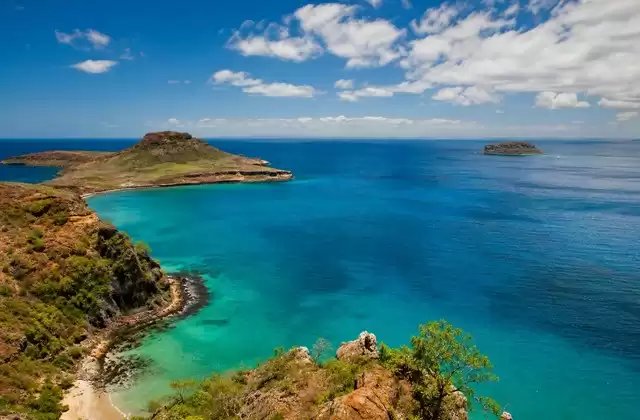
At the Emerald Sea
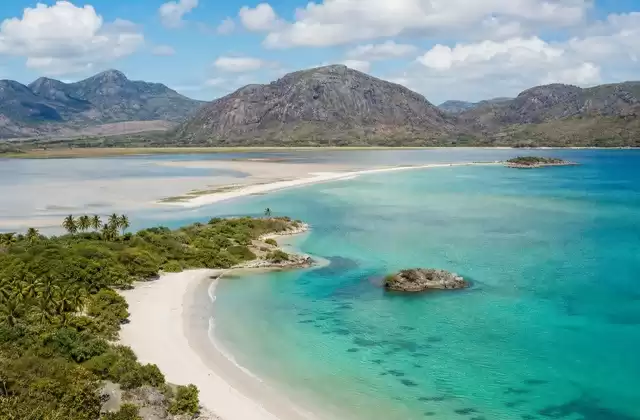
The colors of the water and the wide-open setting showcase the dramatic beauty of northern Madagascar.

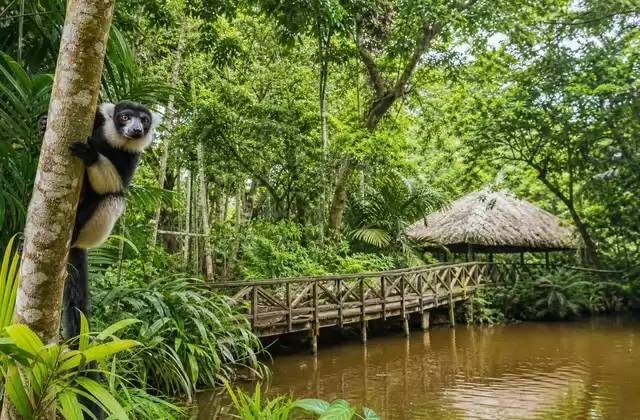
At Ivoloina Park
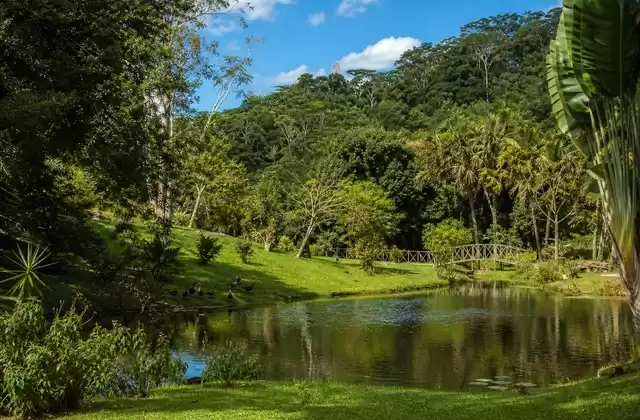
A port call in Toamasina takes on a greener dimension, offering an easy way to discover local wildlife and plant life.

At Nahampoana
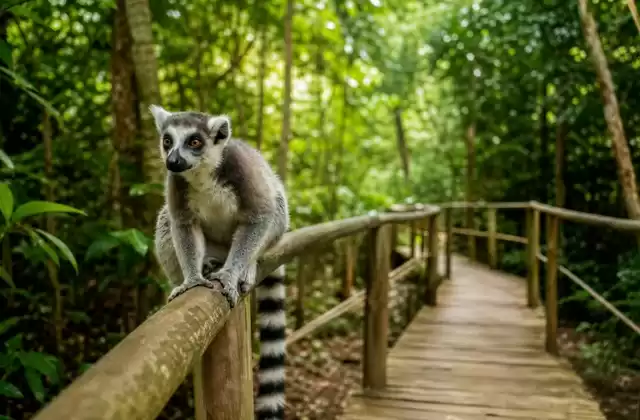
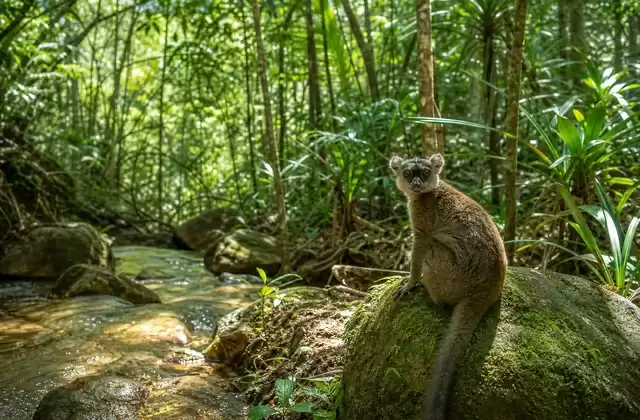
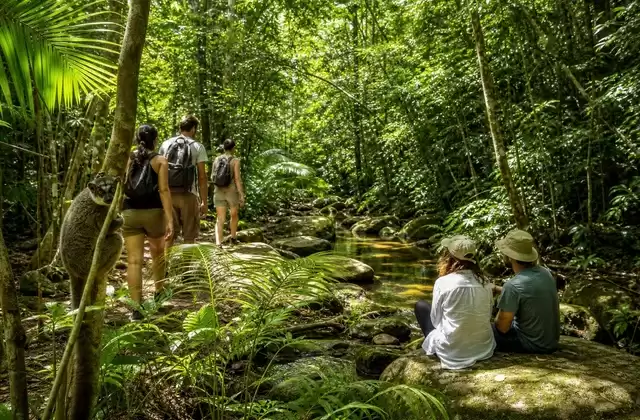
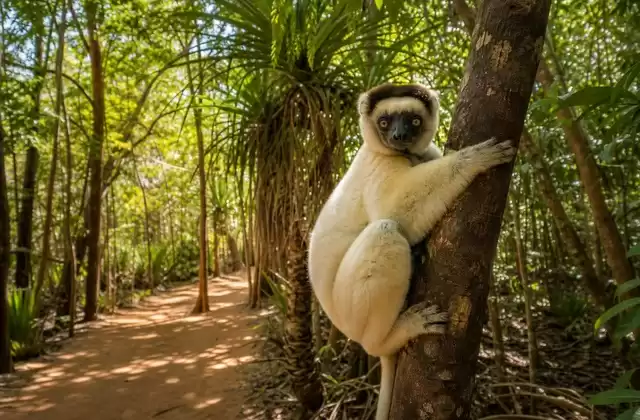
Explore an easy-to-navigate reserve in southern Madagascar, where lemurs live amid tropical vegetation.

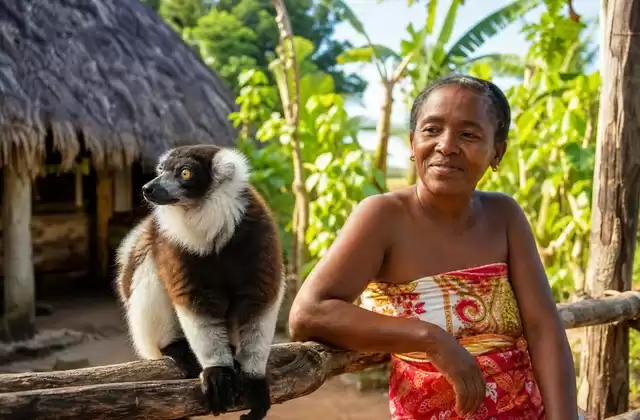
On Nosy Komba
Encounters with lemurs and local residents offer a more human perspective on the archipelago.

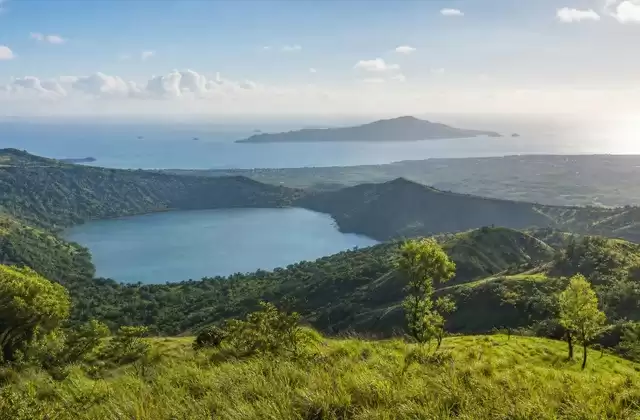
At Mount Passot
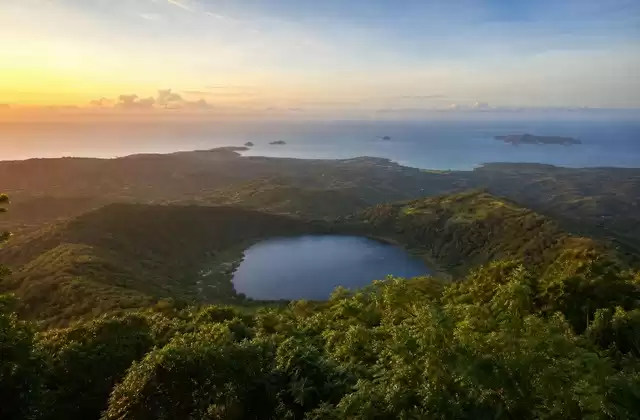
The volcanic lakes, hills and views of Nosy Be offer one of the most beautiful panoramas of the archipelago.

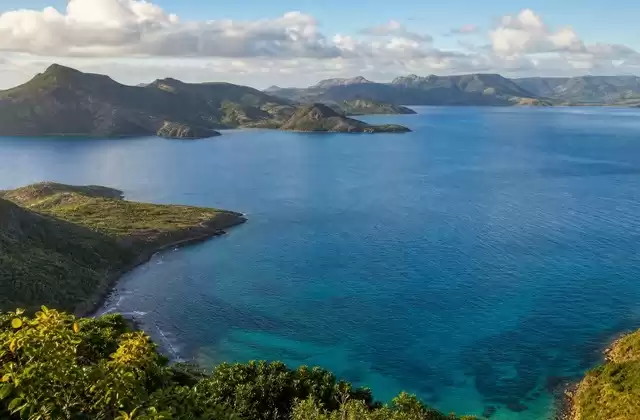
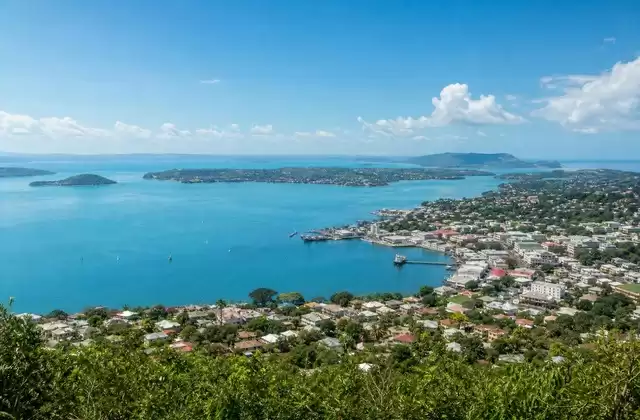
In Diego-Suarez Bay
The rugged terrain, deep water and viewpoints create a striking sense of open space.

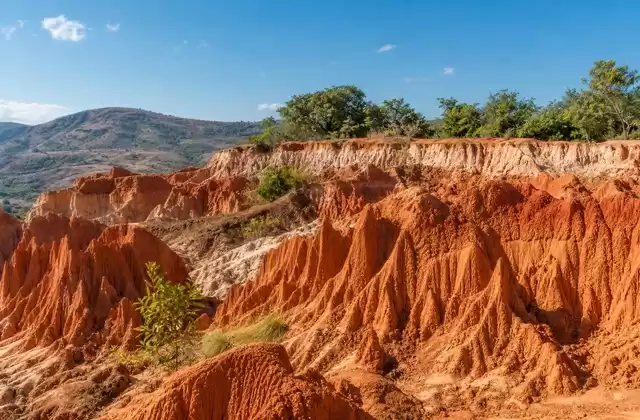
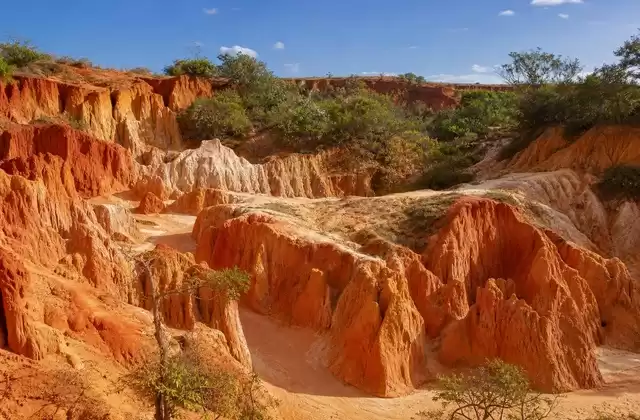
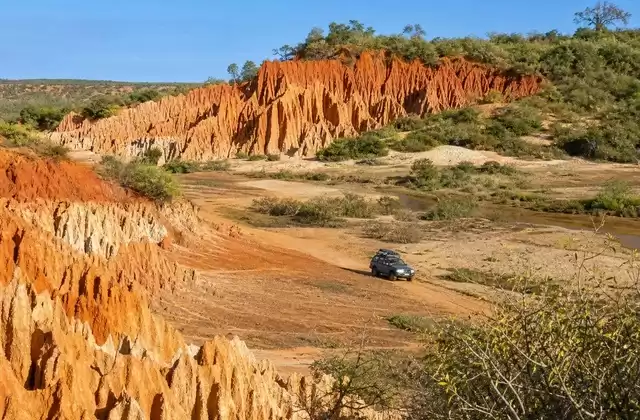
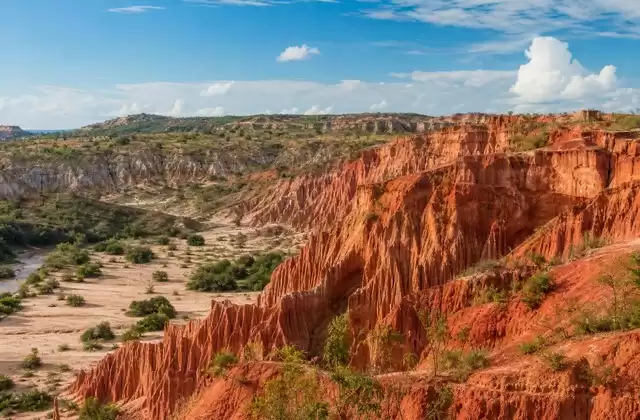
At the Red Tsingy
The carved shapes and clay colors make up a very different setting from the tropical beaches.

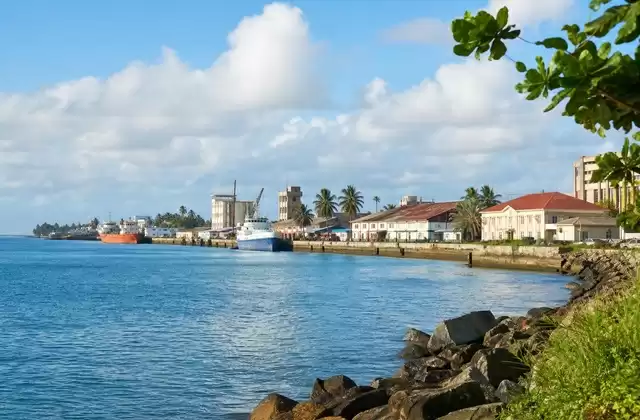
Toamasina
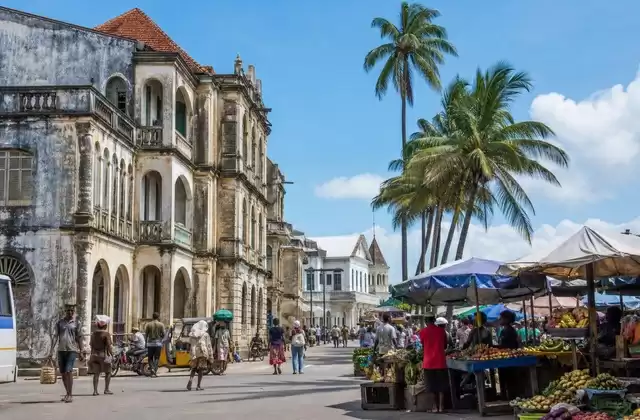
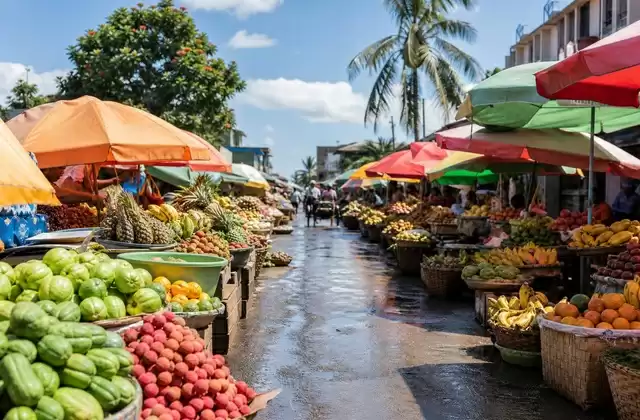
The markets, fruit, lively streets and harbor atmosphere offer a tangible glimpse of everyday life in Madagascar.

In Hell-Ville
The port, stalls, taxis and small local spots let you experience the rhythm of Nosy Be.

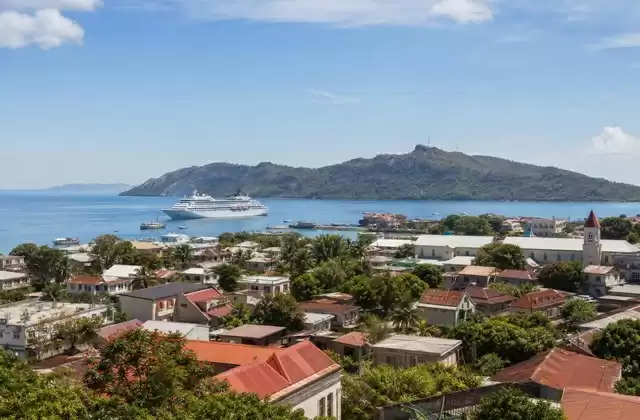
In Antsiranana
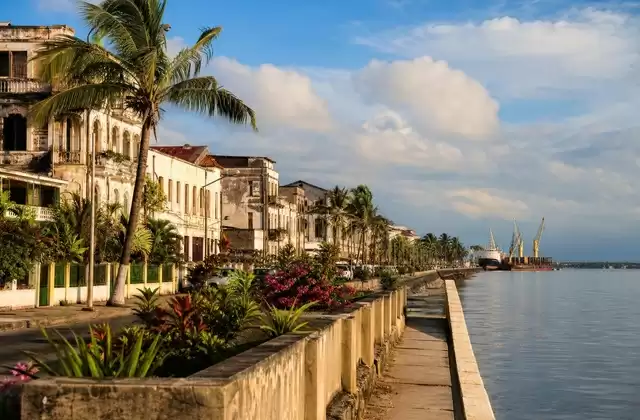
The city has a distinctive atmosphere shaped by its vast bay, traces of its colonial past and everyday life in the far north.
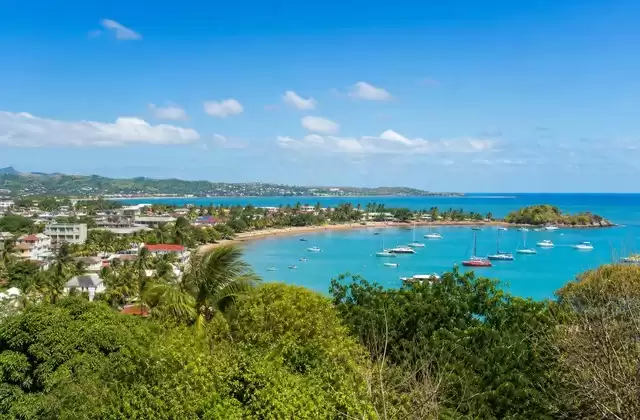
Explore Nosy Be's islets, lemurs and turquoise waters
Nosy Be often stands out as one of the most immediately appealing ports of call because it brings together several defining images of Madagascar in a single day. Travelers enjoy excursions to Nosy Komba or Nosy Tanikely, as well as the villages, lemurs, beaches and feeling of cruising through a vibrant archipelago.
See Diego-Suarez Bay from above
Antsiranana impresses travelers with its scale and contrasts. The bay, rugged terrain, Emerald Sea and red landscapes of the north reveal a wilder, more spectacular side of Madagascar beyond its beaches.
Experience Madagascar's wildlife in an accessible reserve
Travelers often remember moments when wildlife feels immediate without requiring an overly complicated excursion. At Nosy Komba, Ivoloina and Nahampoana, lemurs, tropical plants and easy trails add real depth to the port call.
Spend time in the village of Ampangorina on Nosy Komba
On Nosy Komba, travelers enjoy taking time to explore Ampangorina instead of limiting the visit to a nature outing. Embroidery, carvings, small shops and sea-facing houses reveal a more human side of the archipelago.
Watch the colors change across the Red Tsingy
Near Antsiranana, the Red Tsingy are surprising because they look unlike the scenery normally associated with Madagascar. Travelers appreciate this sculpted clay landscape, especially when the light intensifies its red and ocher colors and rugged forms.
Walk through Toamasina Market and experience everyday city life
In Toamasina, the market makes for a more immersive, less staged port call. Fruit, spices, fish, baskets, conversations and the city's constant movement reveal a side of Madagascar beyond its beaches and nature reserves.
Madagascar is an inexhaustible source of wonder and astonishment. Here, no city, no region, looks like another. There are so many sites to discover there that you won't know where to turn. In Fianarantsoa, the landscape is dotted with rice terraces, which, like green and gold garlands, adorn the mountainsides. Beyond the rice fields are vineyards producing the best vintages of the island. Take advantage of your stay in this city to taste the best vintages of the island. You've probably seen it in documentaries or on postcards, but in real life, it's even more impressive. This is the mythical alley of the Baobabs of Morondava where Adansonia grandidieri seem to form a guard of honor on either side of a sandy track. The spectacle offered by these majestic trees is even more magnificent when the setting sun distills its soft light through the branches of the trees. This alley of Baobabs leads you to another mythical place in Madagascar, the Tsingy de Bemaraha , an agglomeration of rock formations resembling fakir planks which are classified as world heritage sites by UNESCO.
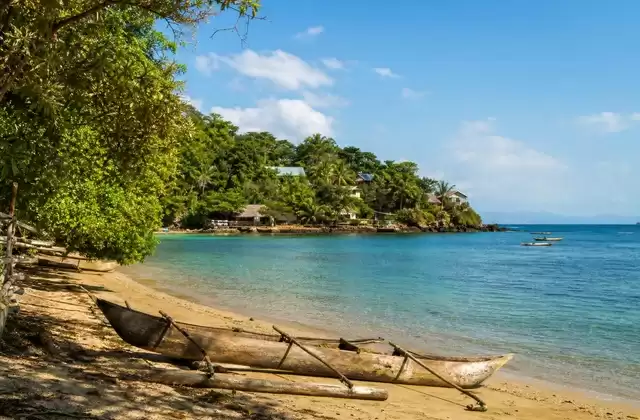
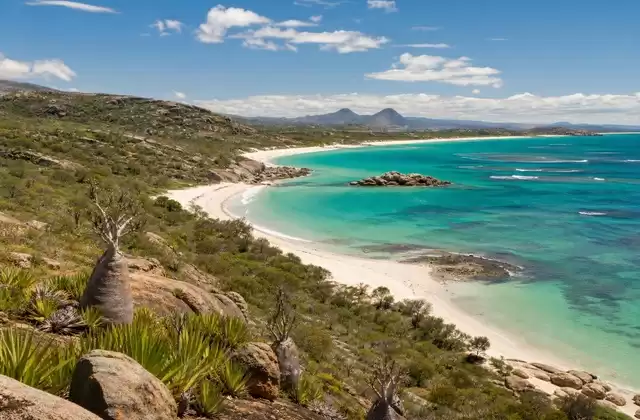
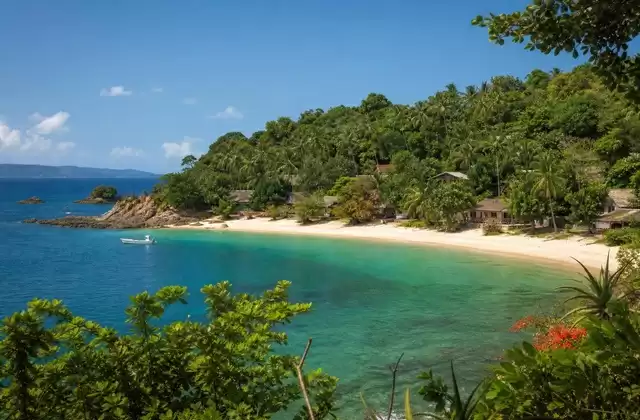
Madagascar also has two islets with heavenly beaches where lovers of swimming and lazing around find their happiness. One, Sainte Marie, is on the east coast. This former haunt of pirates has long sandy beaches lined with coconut palms and coral reefs very popular with diving enthusiasts. Every year, humpback whales come off the coast of Sainte-Marie to mate. Colorful festivities are then organized there to celebrate their arrival. The other, Nosy be, the island of perfumes is located in the north of Madagascar. This tropical paradise wonderfully cultivates its image of a haven of peace with its fine sandy beaches shaded by coconut palms. If you are looking for a destination where you will be in communion with nature, Madagascar will not disappoint you. The island's reserves and national parks are true nature sanctuaries where you will discover a wide variety of orchids and meet lemurs , those mischievous monkeys that are the country's emblem .
Madagascar can be visited throughout the year, except during the cyclone period when heavy rains can sometimes block certain roads. The ideal time to visit this island in the Indian Ocean is from July to September. The temperatures are pleasant and the rainfall quite low. If you like to travel out of season, you can plan your trip from April, that is to say just after the rainy season. You can thus freely enjoy the interesting sites, without crossing the horde of tourists. Some roads may be difficult to pass, but this is part of the adventure in Madagascar and will bring a touch of fantasy to your stay.