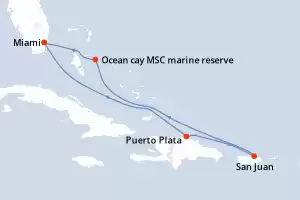
Itinerary : Miami, Puerto Plata, San Juan, Ocean Cay MSC Marine Reserve, Miami


56 other departures
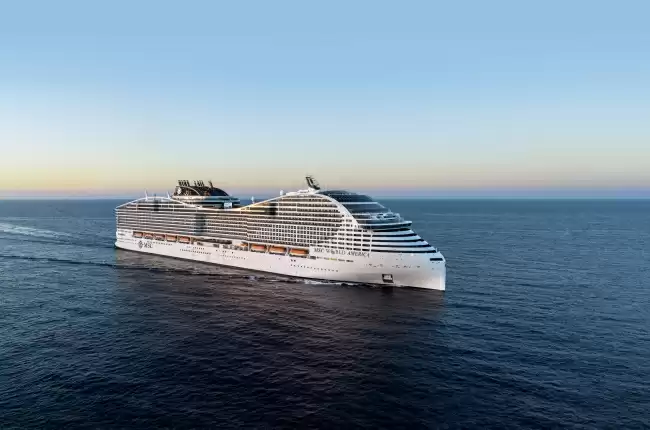
MSC World America
8 d
Inside Stateroom
Miami
09/05/2026
from
655 $CA

Other departures:
19 Sep 2026
03-17-31 Oct 2026
14-28 Nov 2026
Other departures

3 cruises found
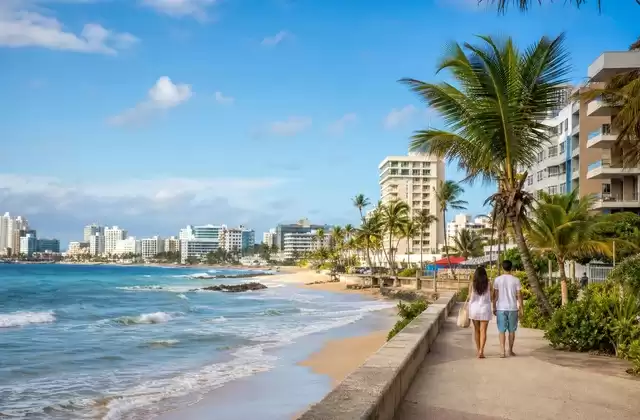
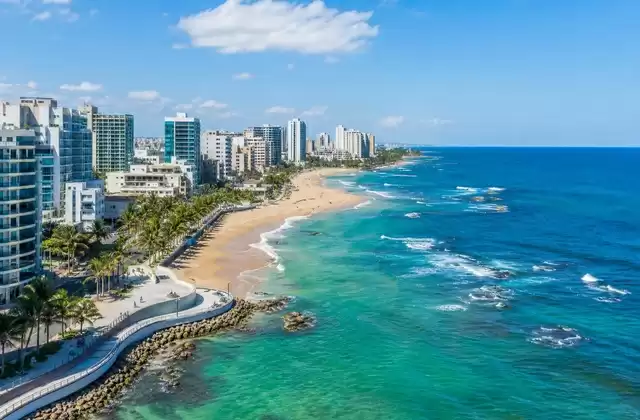
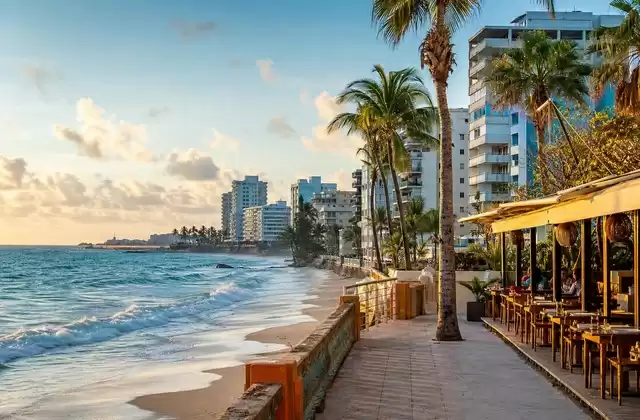
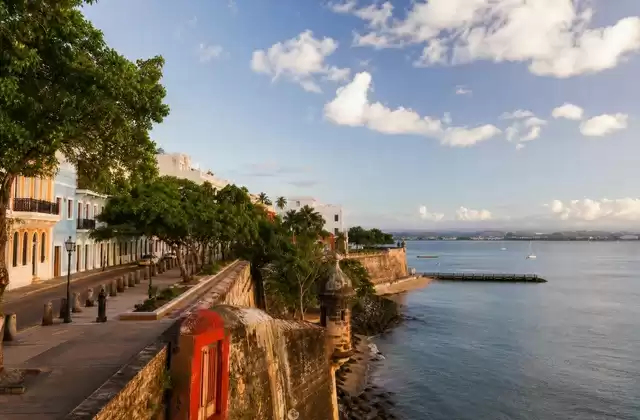
A cruise to Puerto Rico often begins at the foot of Old San Juan, with its ramparts, colorful streets, Spanish forts and a bay opening onto the Caribbean.
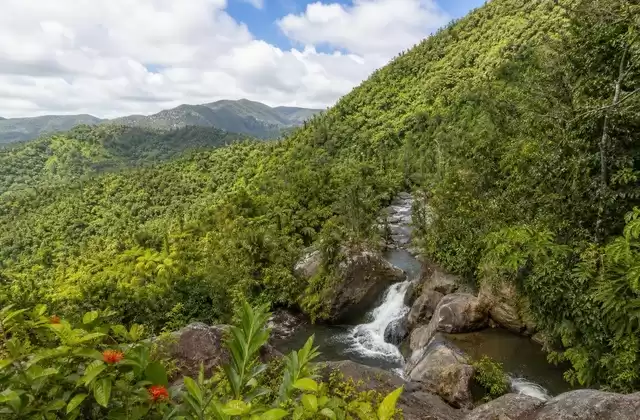
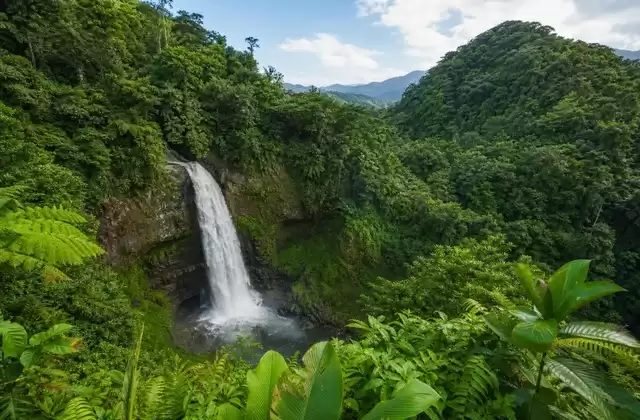
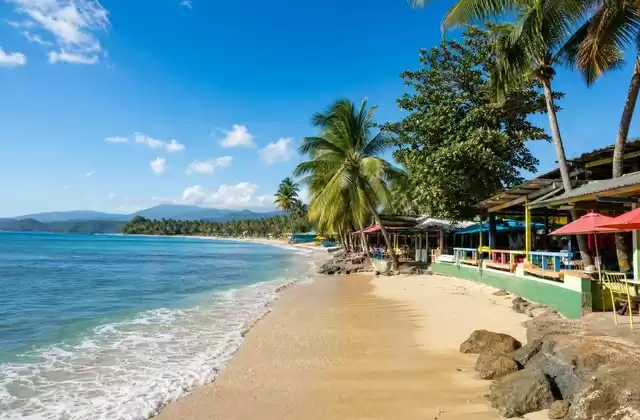
In one day, you can pass from Castillo San Felipe del Morro to the cafés of the old center, reach the tropical forest of El Yunque, stop at the kiosks of Luquillo or extend the journey to Culebra and Vieques when the itinerary allows.
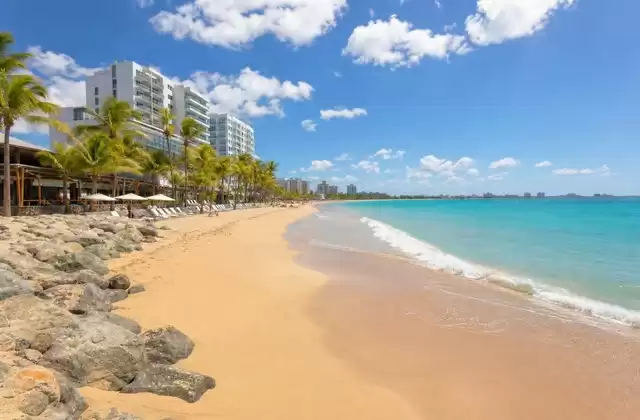
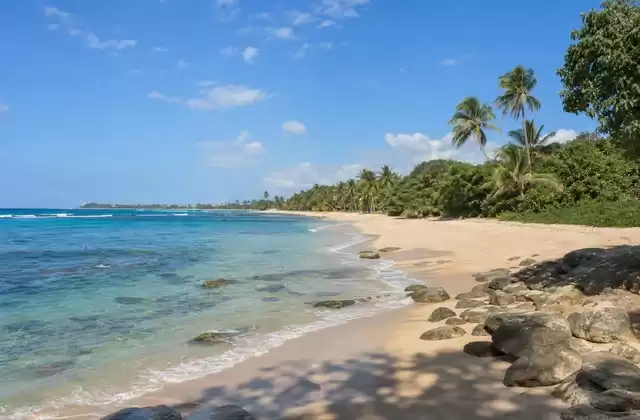
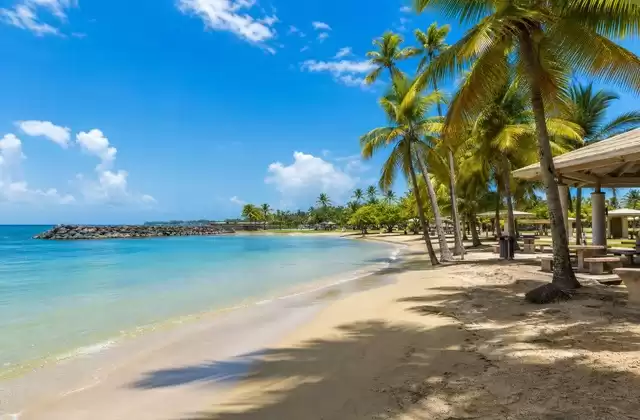
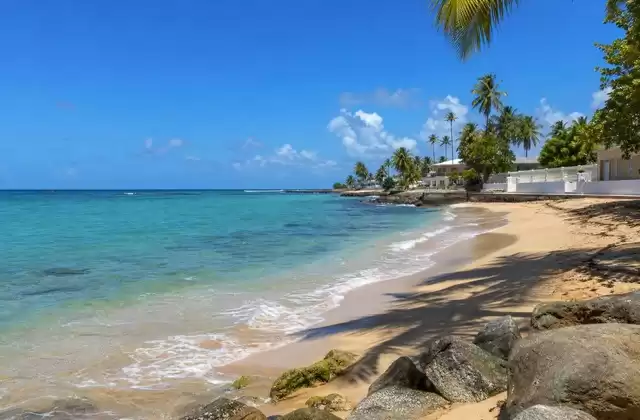
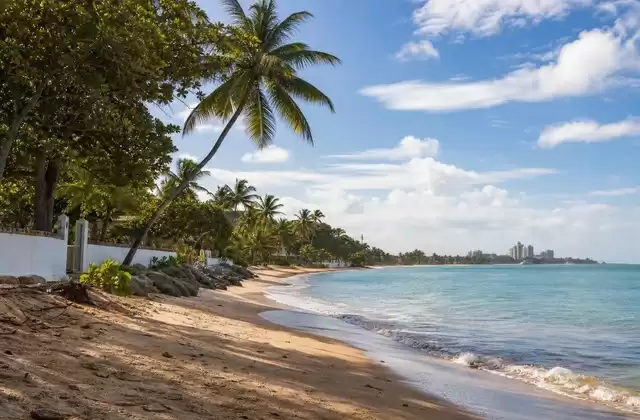
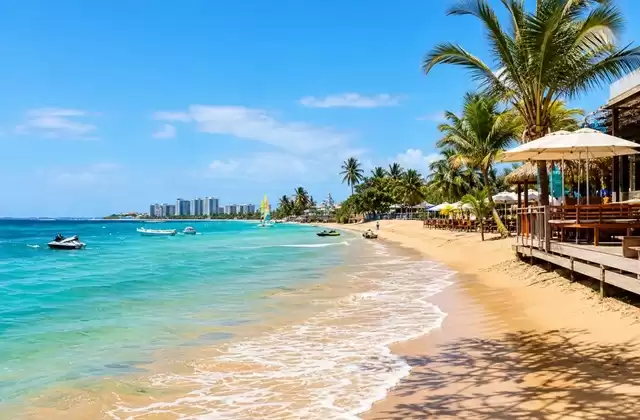
The destination combines colonial history, boricua culture, beaches, rum, local cuisine, tropical nature and a lively Caribbean atmosphere.
Your search criteria:
Puerto Rico
Itinerary : Miami, Puerto Plata, San Juan, Ocean Cay MSC Marine Reserve, Miami


56 other departures
MSC World America
8 d
Inside Stateroom
Miami
09/05/2026
from
655 $CA
Other departures:
19 Sep 2026
03-17-31 Oct 2026
14-28 Nov 2026
Other departures
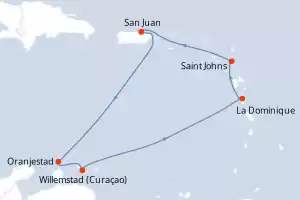
Itinerary : Guayaquil, Fuerte Amador, Panama Canal, Cartagena, Santo Domingo, Punta Cana, San Juan


Crystal Symphony
10 d
Ocean view Stateroom
Guayaquil
09/05/2026
from
6 970 $CA
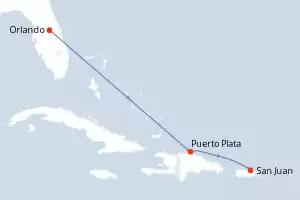
Itinerary : Orlando, Puerto Plata, San Juan


Norwegian Prima
4 d
Inside Stateroom
Orlando
11/12/2026
from
714 $CA
| Season | Weather & swimming | Expert advice |
|---|---|---|
January - April & December | Often drier times and pleasant temperatures. Conditions are favorable for visits to old San Juan, beaches, excursions to El Yunque and Caribbean itineraries. | The best time for a first cruise to Puerto Rico. Prices and crowds may be higher, especially in winter. |
May - June | Hotter, but still interesting. Rain showers become a little more frequent, without necessarily hindering visits if the program remains flexible. | A good compromise for enjoying San Juan, the beaches and the East Coast, sometimes with smaller crowds than in high season. |
July - August Hot, wet and lively. Beaches and seaside areas are alive, but the heat can make urban visits more tiring. Consider if you accept a slower pace. Plan visits early, then save time for the beach or ship. | ||
September - November | More variable weather. Rains and tropical disturbances can alter itineraries, even if not weekly. | Less ideal time for a first cruise. It can remain possible with good flexibility and special attention to weather conditions. |
In Puerto Rico, the best highlights often combine a historic visit, a local stop and time by the water. San Juan is ideal for this because the port call begins almost directly in the old town.

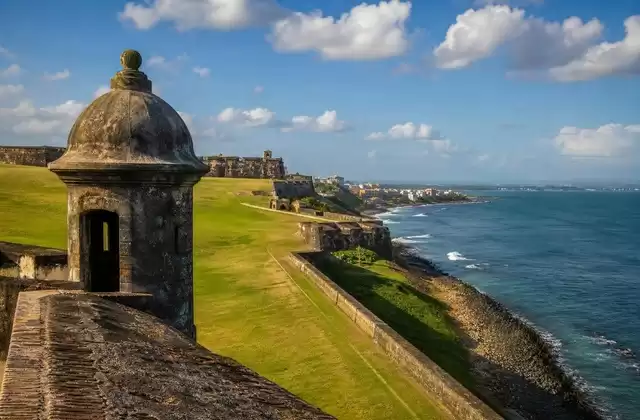
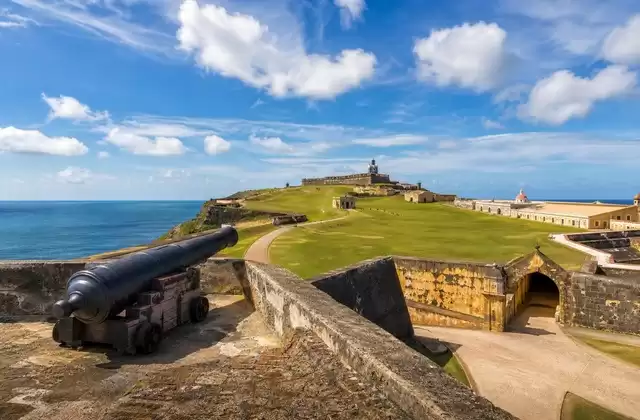
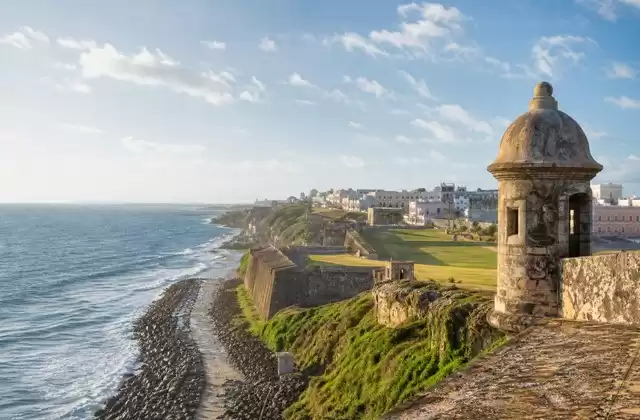
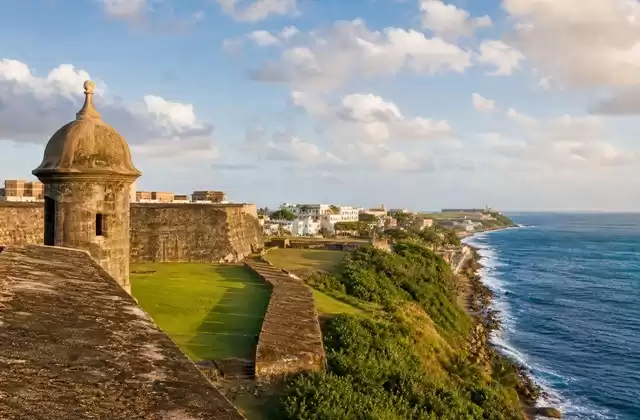
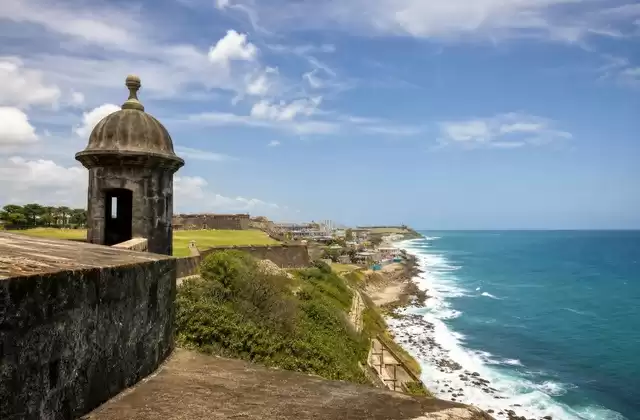
At the Castillo San Felipe del Morro
The ramparts, lawns and Atlantic views make this an essential historic landmark.

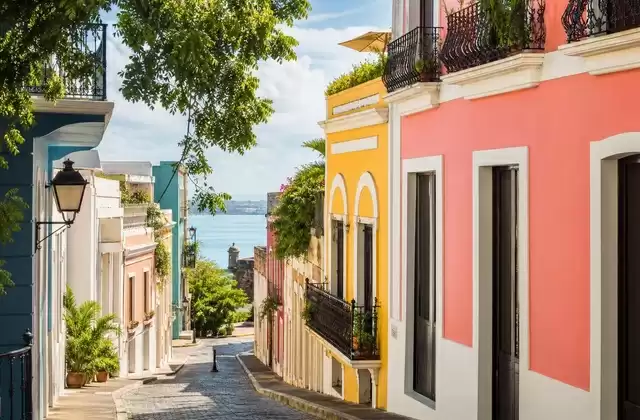
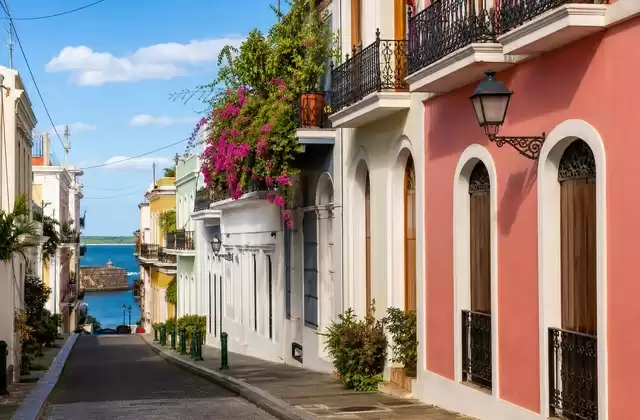
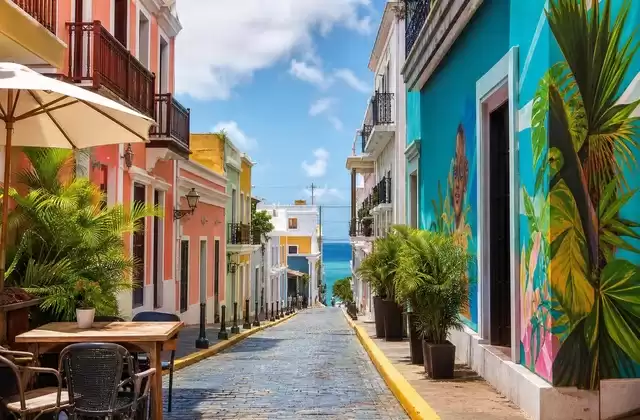
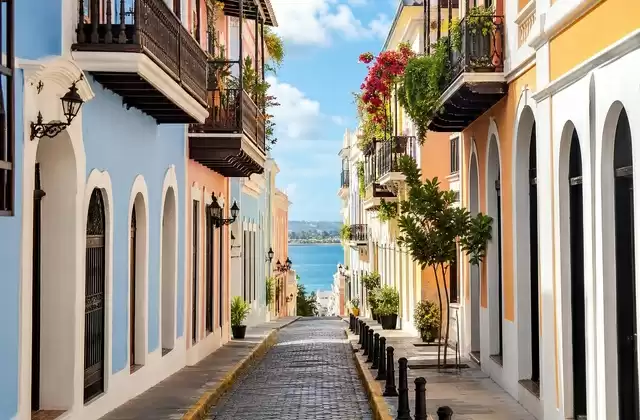
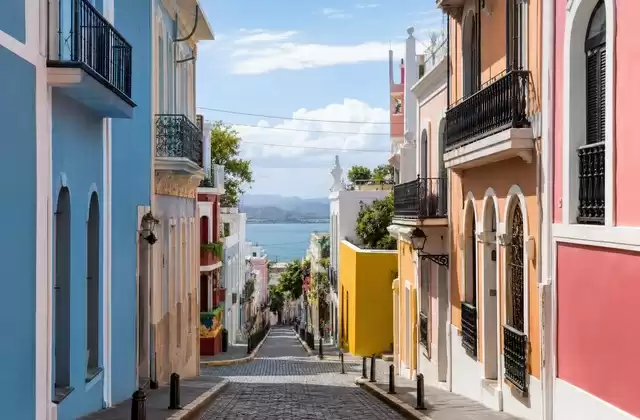
In the Viejo San Juan
The colorful alleyways, squares and balconies tell of the colonial and Caribbean side of the capital.

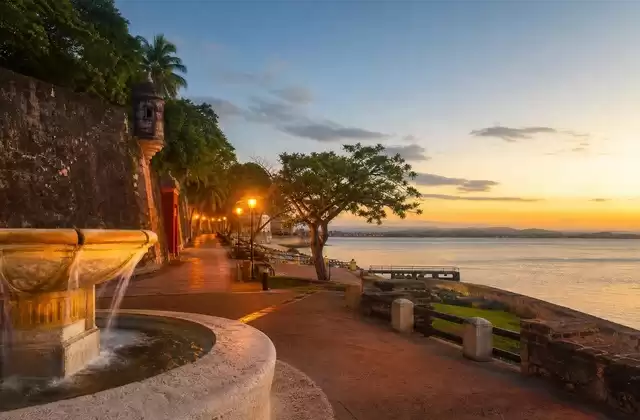
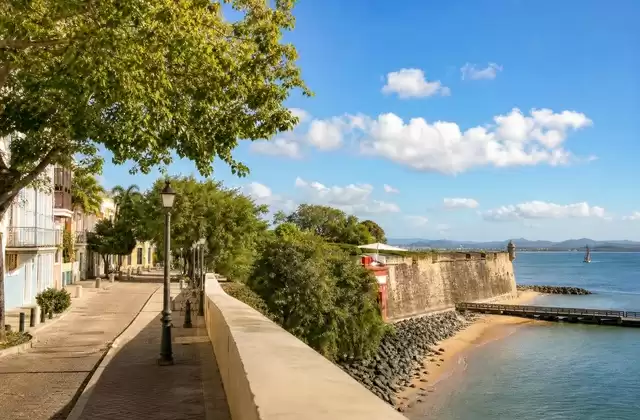
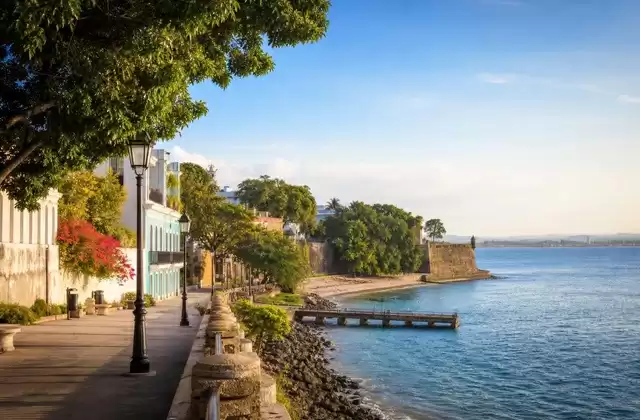
At Paseo de la Princesa
This promenade connects the port, ramparts and bay along a very pleasant route.

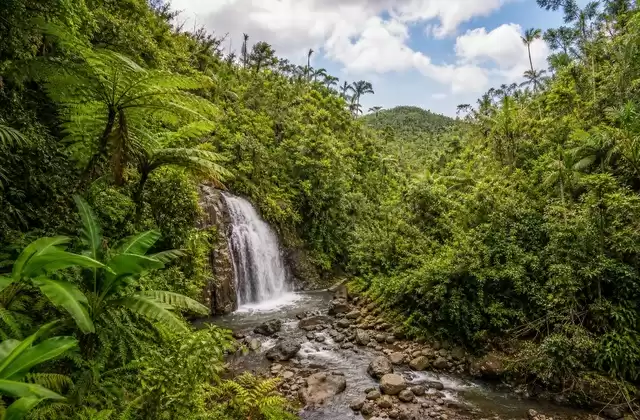
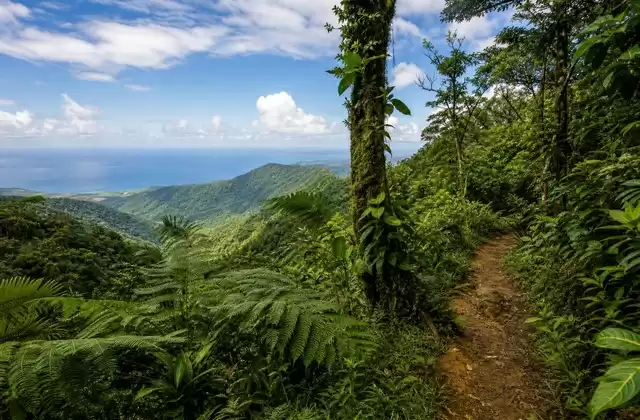
In El Yunque
The rainforest, waterfalls and viewpoints reveal a greener side of Puerto Rico.

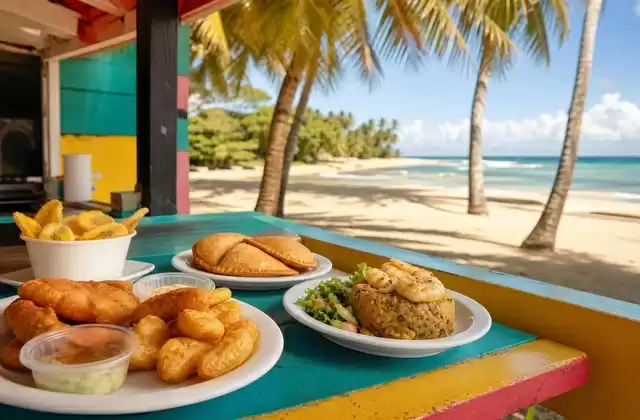
In Luquillo
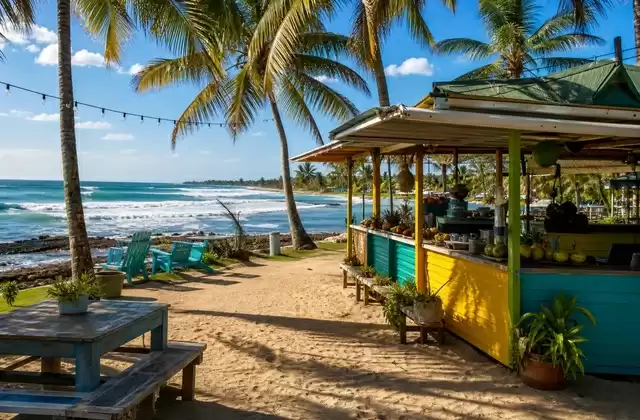
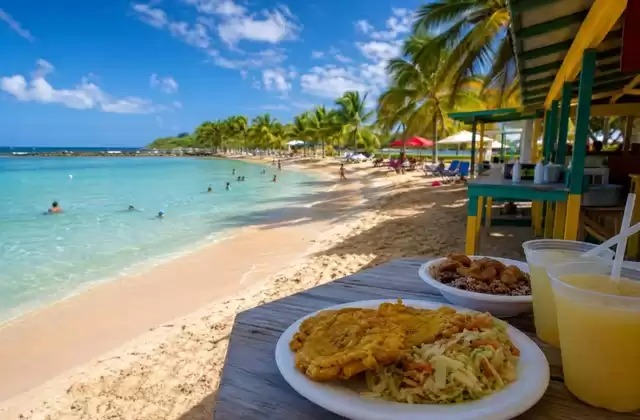
The beach and kiosks combine swimming and local cuisine in one excursion.

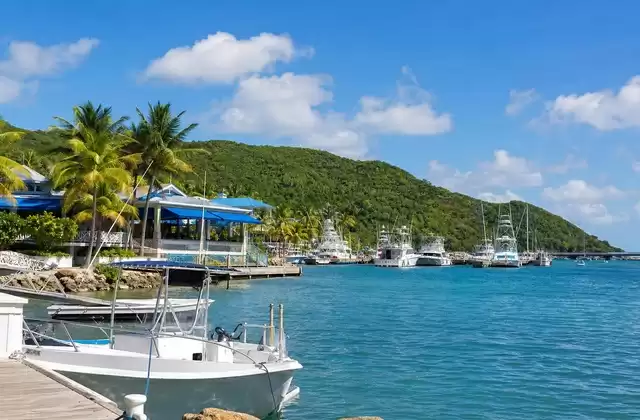
In Las Croabas
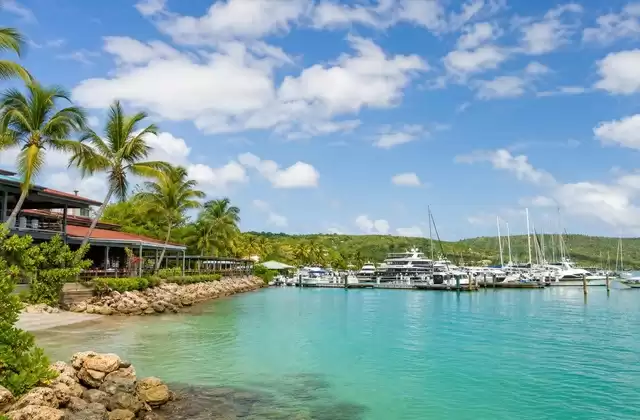
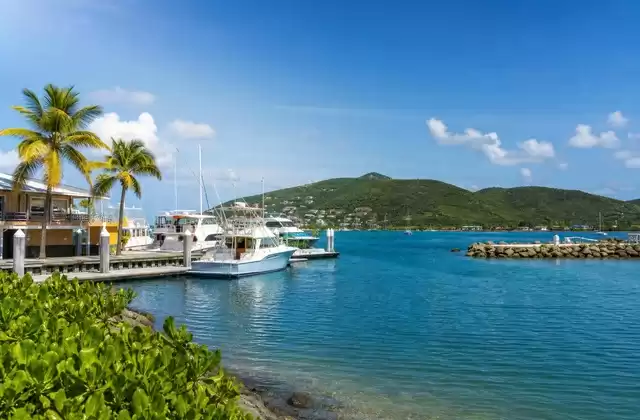
The marina and departures from excursions open to a more nautical atmosphere.

From El Morro
The views of the ocean, ramparts and lawns are among the most recognizable of San Juan.

From the streets of Old San Juan
Colorful facades, cobblestones and balconies make up a very photogenic decor.

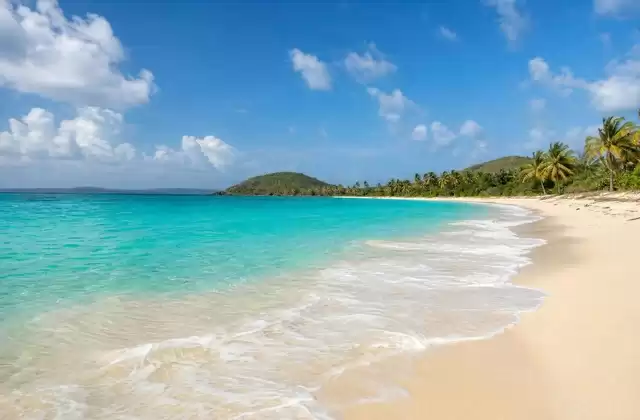
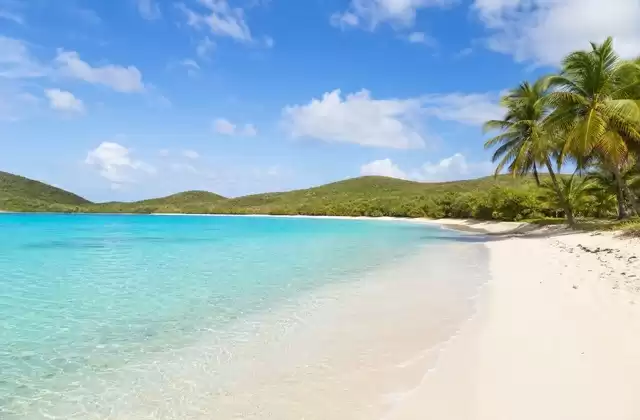
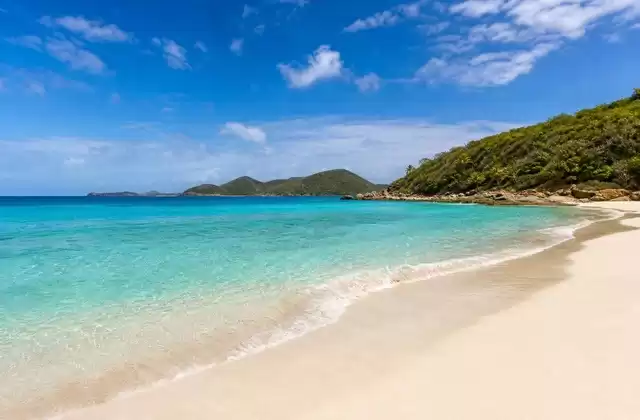
Flamenco Beach
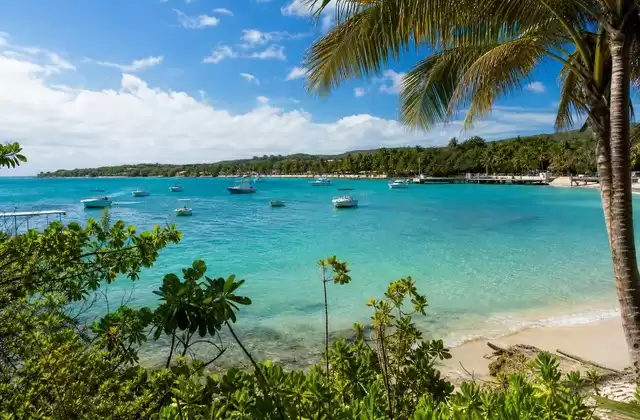
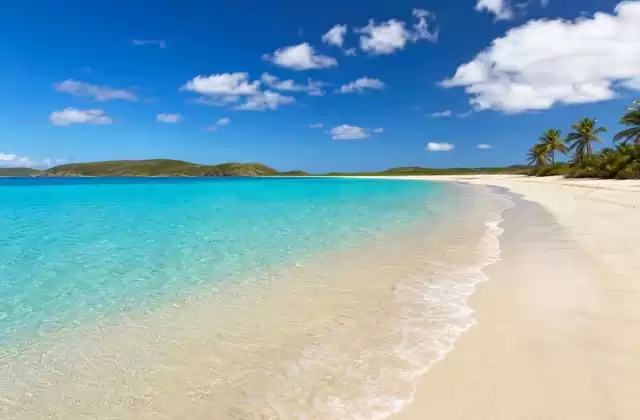
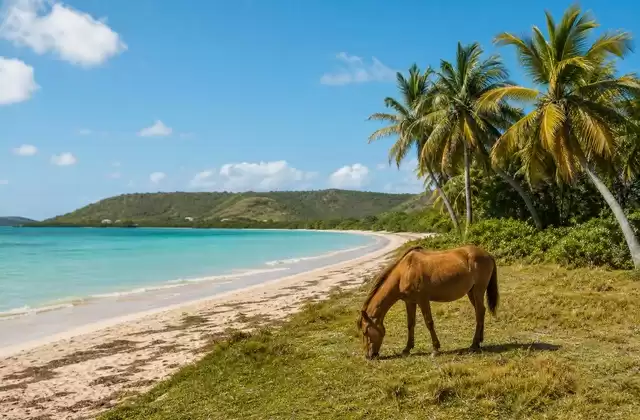
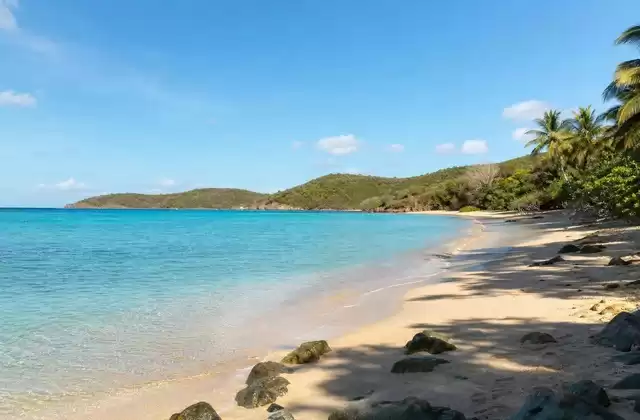
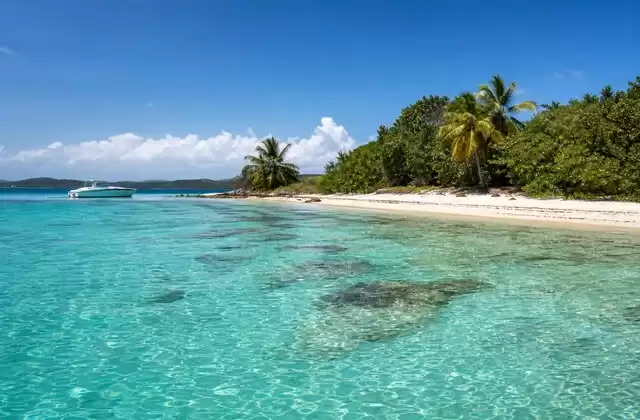
The clear sand and turquoise waters give one of the strongest images of Culebra.

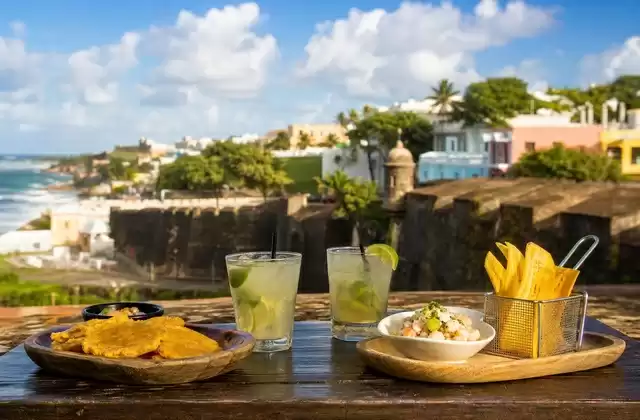
In Old San Juan
Mofongo, empanadillas, cafés and cocktail bars give a real local flavor to the stopover.

In Casa Bacardí
Rum lovers can connect brand history with Caribbean cocktail culture.

At the booths of Luquillo
Frituras, seafood and simple dishes make this a very popular stop with travelers.
Explore Old San Juan between El Morro and colorful streets
Old San Juan often stands out as one of the Caribbean's most enjoyable ports of call. Travelers love being able to walk almost directly from the port to the forts, cross the colorful streets and experience a true historic atmosphere without a long excursion.
From the city to the tropical forest of El Yunque
El Yunque adds a powerful nature experience to Puerto Rico. Travelers appreciate the contrast between San Juan's ramparts and the forest's green roads, waterfalls, viewpoints, ferns and tropical sounds.
Taste Puerto Rico through mofongo, rum and beach kiosks
Local cuisine is a recurring highlight in traveler feedback. A mofongo in Old San Juan, a rum-focused visit or a stop at the Luquillo kiosks makes the port call feel more vibrant and authentic.
Follow the Paseo de la Princesa at the end of the stopover
The Paseo de la Princesa is a simple but much-loved walk when you want to slow down after sightseeing. Travelers enjoy following the ramparts, returning to the bay, passing the fountain and heading back to the port without leaving Old San Juan's atmosphere.
Eat at the Luquillo kiosks after El Yunque
After a rainforest excursion, the Luquillo kiosks offer an easygoing local break. Travelers find frituras, seafood, mofongo, fresh juice and a more down-to-earth beach atmosphere than at restaurants in the center.
Plan time in Culebra or Vieques before or after your cruise
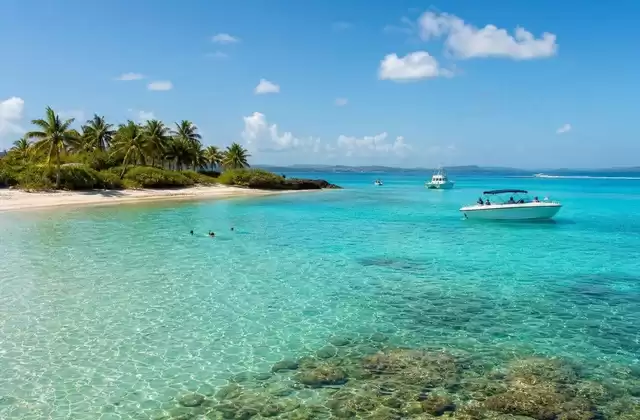
These islands are rarely easy to fit into a short port call, but they are often worth an extension. Travelers enjoy Flamenco Beach, the beaches of Vieques, snorkeling and the feeling of a slower, more island-oriented and less urban Puerto Rico.
The capital of Puerto Rico, San Juan boasts an old town that is a UNESCO World Heritage Site. It has preserved most of its ramparts and fortresses, like El Morro at the tip of the peninsula. The CasaBlanca museum, dedicated to the colony's founder, Ponce de Leon, and the museo de las Americas, set amidst the colorful colonial architecture, provide a fascinating insight into local culture. San Juan also boasts the second oldest church in America, the San José church dating from 1532, as well as a fine statue of Christopher Columbus.
To the northeast of the island, you'll find heavenly beaches, as well as the El Yunque national forest, which unveils a humid tropical selva. Off the coast, Monkey Island is off-limits to visitors, but its macaque population can be seen during kayak trips along the coast. A little further on, Ponce reveals its colonial charms. Puerto Rico's second-largest city, it boasts colorful neoclassical monuments tinged with Art Nouveau. Nicknamed the City of Museums, the city boasts an art museum and an architecture museum, among others. The Centro ceremonial indigena de Tibes focuses on Taino culture through a classical museum and a reconstructed village.
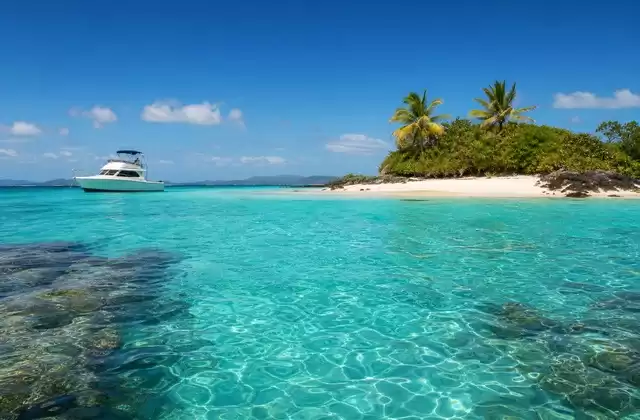
The wilder south coast features secluded beaches and much mangrove swamp. Here you'll find the dry forest of the Guanica Reserve, a UNESCO World Heritage Site. On the west coast, in Rincon, you'll discover the capital of surfing and its immense rollers in winter. Not far away, the Punta Higuero lighthouse offers a breathtaking view of the surrounding area. Film buffs and science enthusiasts will be enchanted by the Arecibo Observatory, which served as the filming location for the James Bond movie GoldenEye. The site boasts the largest radio telescope ever built, as well as an interesting little museum. Off the island of Puerto Rico, three islands stand out. The first, Isla Mona, has been dubbed the Puerto Rican Galapagos. A true ecological paradise, the site boasts renowned beaches, as well as varieties of sea turtle, humpback whale and iguana. Further afield, Vieques Island is famous for its bioluminescent Mosquito Bay, which can be discovered during swimming or scuba diving. Culebra Island, just next door, is appreciated for its dreamy beaches of white sand and turquoise sea.
Puerto Rico's climate is tropical. However, the country is subject to maritime influences, which give it relatively mild temperatures, ranging from 25 to 30°C all year round. It is advisable to travel during the dry season, between January and April. The country experiences a rainy season between May and December, and a sometimes violent hurricane season between August and October. Note that temperatures are cooler in the mountains at nightfall, and that the east coast is more subject to trade winds and rain, while the south-west coast is more protected and suited to seaside tourism.